More households in Upper Austria are sliding into debt just as borrowing costs and everyday expenses stay elevated, a warning sign for consumers, lenders and the wider economy.
Upper Austria debt cases rise as costs stay high
The clearest message from the new numbers is not just that debt cases are rising, but that distress is broadening. The Schuldnerhilfe OÖ says it is seeing 9% more people seeking help, while the Alpenländische Kreditorenverband reported a much sharper jump in the state’s formal debt proceedings in the first nine months of 2026.
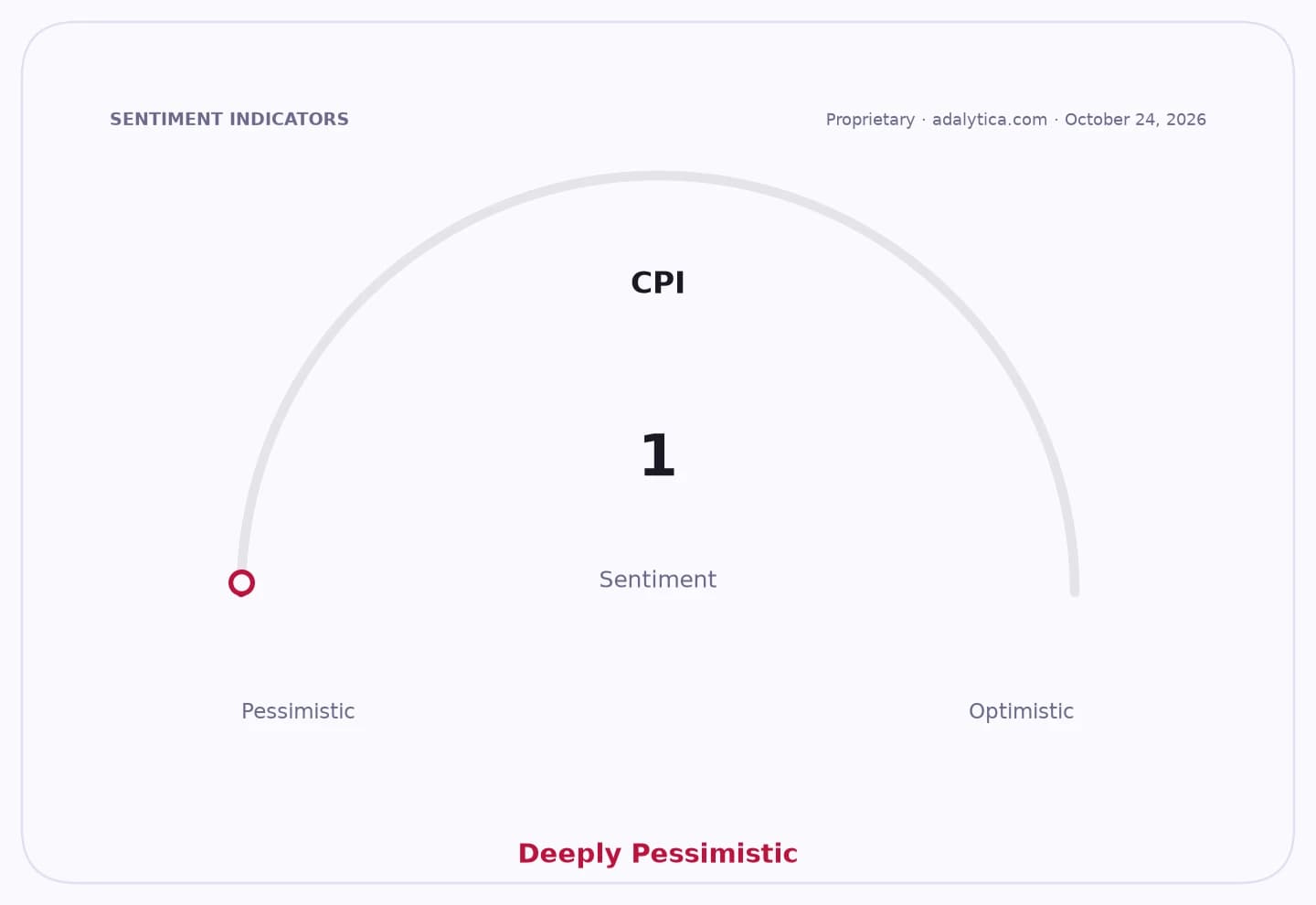
Sentiment IndicatorsⓘProprietary · adalytica.com · October 24, 2026
This is a snapshot — live sentiment, awareness and momentum for 130+ markets update continuously in the dashboard.Open AlphaPulse
Private insolvency applications in Upper Austria climbed 14.9% from a year earlier to 1,265, outpacing Austria’s nationwide increase of 9.1%. Debt-regulation cases opened in the state rose 17.8% to 1,150, nearly double the countrywide gain of 9.8%. That tells investors and policymakers the pressure is not a one-off legal or administrative shift — it is becoming a more persistent household balance-sheet problem.
The average debt load is getting heavier too. Mean indebtedness in the state has climbed to about 138,900 euros from 123,900 euros last year. Men carry an average debt burden of 158,800 euros, versus 101,800 euros for women, and most insolvencies remain concentrated among people aged 40 to 59, the core working-age cohort that should normally be absorbing economic shocks rather than turning to debt relief.
The causes are exactly the kind that squeeze consumption and credit quality at the same time: job losses, illness and high living costs. That combination matters economically because it reduces disposable income, raises arrears risk and eventually filters into bank charge-offs, tighter lending standards and weaker retail spending. In a household-driven economy, rising debt distress is a lagging but powerful indicator that the growth cycle is losing traction beneath the surface.
That is why financial markets should pay attention even if this is a regional Austrian story. The pressure on consumers is part of a broader European debt-and-rates stress that is also showing up in sovereign markets and corporate credit. Higher debt servicing costs, stubborn utility bills and weaker real incomes are the ingredients that can keep credit losses elevated long after inflation cools.
The investable takeaway is straightforward: the beneficiaries are debt counselors, restructuring specialists and lenders with conservative underwriting, while the losers are discretionary retailers, unsecured consumer lenders and the most leveraged borrowers. If this trend continues, the market is likely underestimating how much household strain can still emerge even in an economy that looks superficially stable.
| Entity | Gains | Losses |
|---|---|---|
| Schuldnerhilfe OÖ / debt advisers | ▲more demand | ▼capacity strain |
| Conservative lenders | ▲tighter underwriting edge | ▼loan growth slows |
| Discretionary retailers | ▲more cautious consumers | ▼weaker spending |
| Unsecured consumer lenders | ▲— | ▼higher charge-offs |