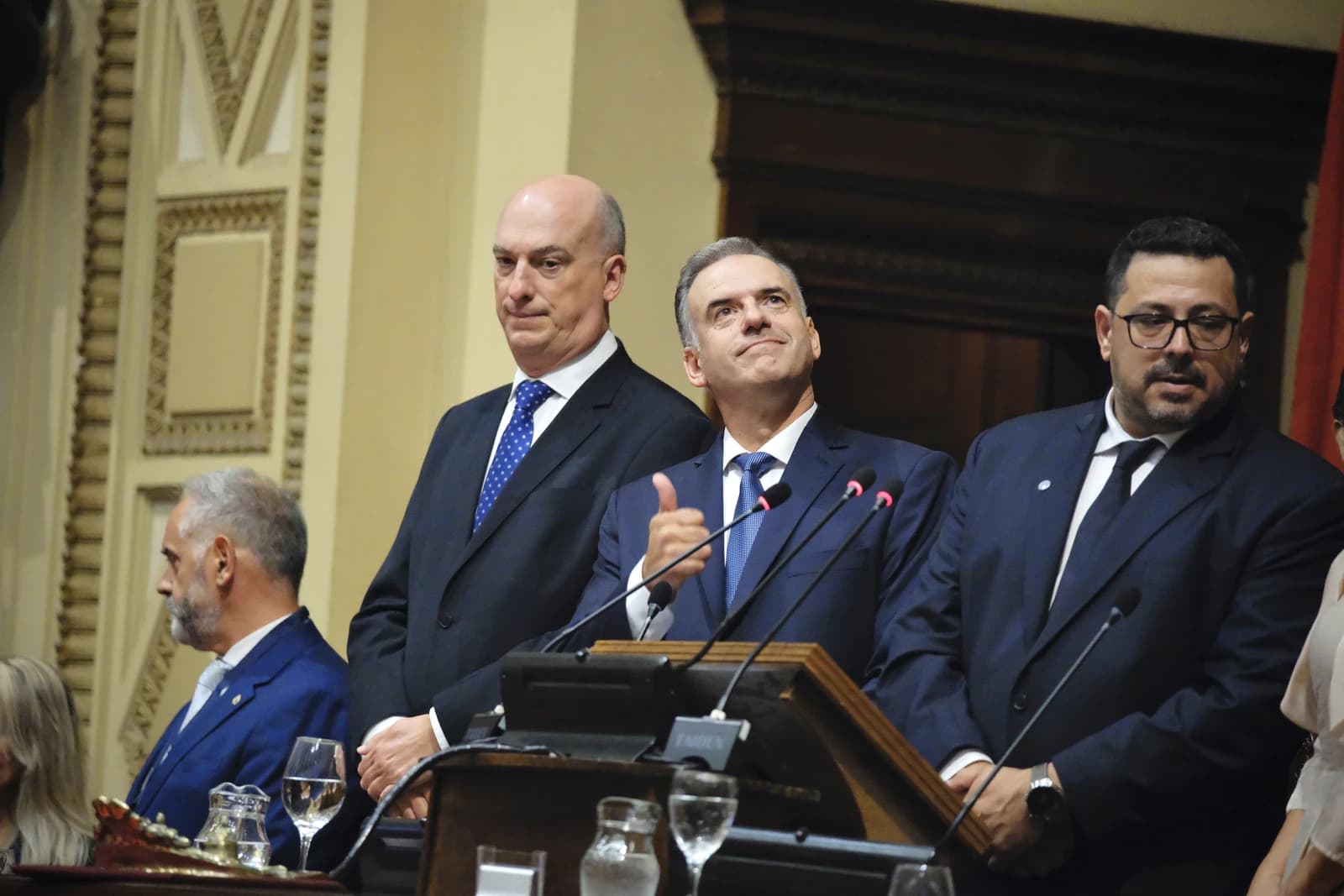
Uruguay will keep its distance from Brazil’s bruising election politics and focus on preserving commercial and diplomatic continuity, with President Yamandú Orsi saying the result must remain within democratic rules and should not spill over into bilateral ties.
Uruguay keeps Brazil election from affecting ties
That matters because Brazil is Uruguay’s largest regional counterpart and the anchor of Mercosur’s political and trade architecture. For investors, the message is that even if Brazil’s runoff sharpens ideological tensions, the operating assumption for cross-border trade, investment and supply chains is still institutional continuity rather than rupture. That lowers the odds of policy shock for exporters, port operators and companies exposed to regional commerce.
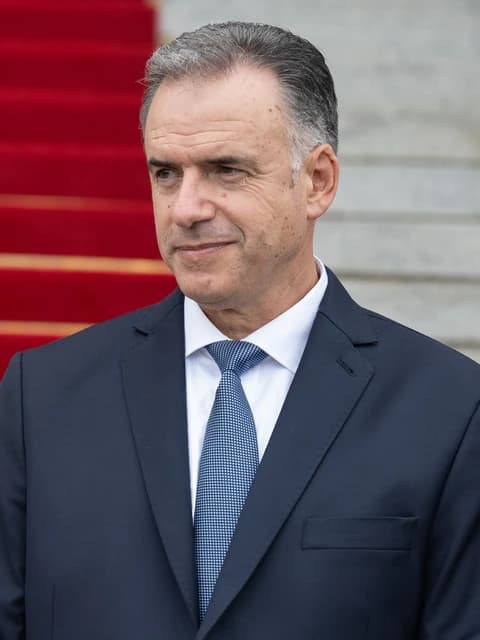
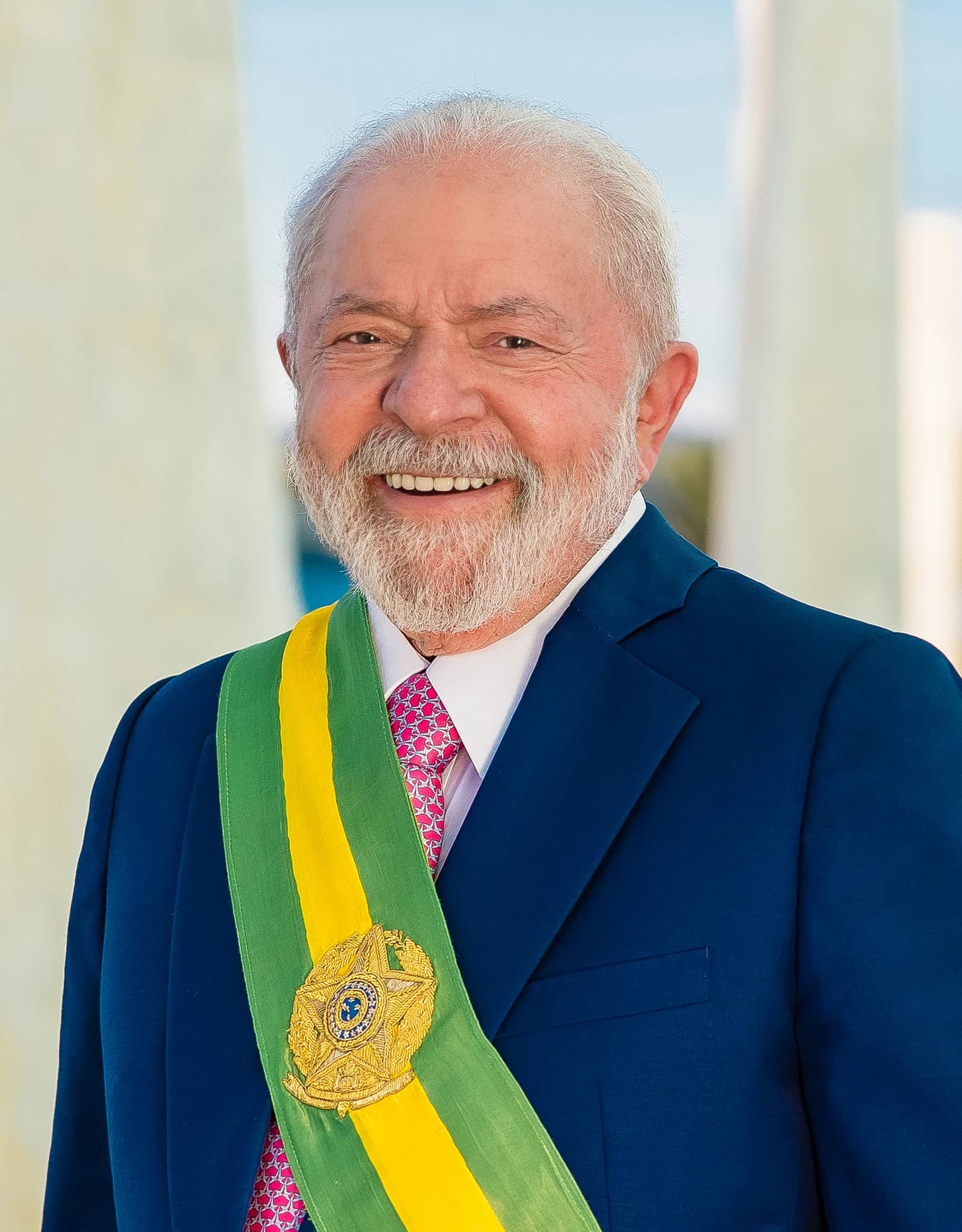
Orsi’s comments came as Brazil’s vote moved into a second round after a tightly contested first phase that underscored the country’s political fragmentation. He described the process as “correct” and stressed that the most important thing is that it unfolds within the rules and democratic coexistence. He also rejected the idea that personal affinity between leaders should alter state-to-state relations, saying people-level ties “cannot interfere” with relations between countries.
The market significance is less about the personalities involved than about what the election may mean for Mercosur, trade policy and regional alignment. Orsi said criticism of the bloc has been building for years, but he still wants a more integrated region. That is a reminder that Uruguay’s economic strategy remains tied to open regional commerce even as the bloc faces pressure from internal political swings and sluggish growth.
There is also a broader geopolitical reading here. In a Latin America marked by frequent leadership turnover, Uruguay is signaling that it intends to remain a predictable partner regardless of whether Brazil shifts right or left. That kind of institutional consistency matters to investors because it reduces headline risk around customs rules, investment approvals and the day-to-day predictability of doing business across the River Plate economy.
Orsi’s remarks on the forthcoming appointment of Marcos Carámbula as ambassador to Palestine reinforced the same message: Uruguay is preserving its longstanding foreign-policy positions while avoiding escalation with domestic opponents. For markets, the key takeaway is that Montevideo is not looking to turn Brazil’s election into a bilateral stress point.
The investable implication is straightforward: this is a continuity story, not a crisis story. The market underestimates how valuable predictable regional diplomacy is for trade-linked sectors, and any post-election volatility in Brazil should be watched through the lens of Mercosur integration, not just partisan politics. The best positioning remains in companies and assets that benefit from stable South American commerce rather than from political churn.
| Entity | Gains | Losses |
|---|---|---|
| Uruguay exporters | ▲Policy continuity | ▼Election-driven volatility |
| Mercosur integration | ▲Diplomatic stability | ▼Protectionist drift |
| Regional investors | ▲Lower headline risk | ▼Cross-border uncertainty |
| Brazil opposition/government | ▲Democratic mandate | ▼Noisy bilateral politicization |