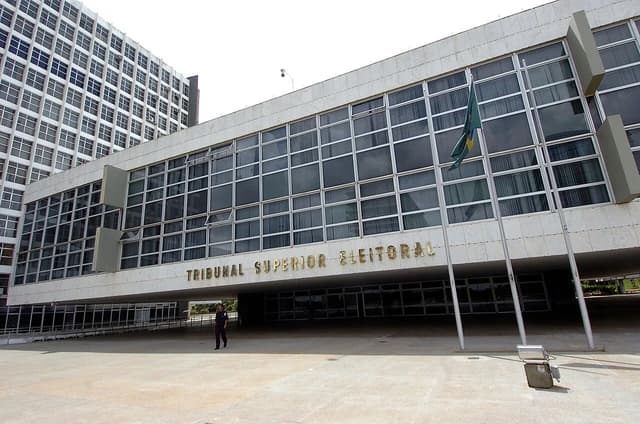
Brazil’s Electoral Court has resumed full voter-registration services nationwide, a practical step that could decide who is able to participate in the country’s 2026 election and who gets left out of the political process.
Brazil Electoral Court Resumes Voter Registration Services

The reopening matters because electoral clean-up is not just bureaucracy in Brazil; it is the plumbing of democracy. Voters can once again request an ID title, transfer their voting district and regularize outstanding issues with the courts, reducing the risk that last-minute administrative problems keep eligible citizens from the polls.
For investors, that may sound remote, but Brazil’s political stability is never remote from markets. A smoother registration process lowers the odds of voting disruptions feeding into a contested election season, a risk that can widen risk premiums on Brazilian assets, pressure the real and delay corporate decision-making. The country’s large domestic market, deep commodities sector and weight in emerging-market portfolios make electoral credibility an economic issue, not just a civic one.
The timing is important. In a presidential race already drawing attention from the United States, China, Russia and the European Union, any sign that Brazil’s institutions are functioning normally helps reinforce confidence in the rulebook around the vote. That matters for investors weighing everything from local equities and sovereign debt to companies exposed to consumer demand, infrastructure spending and policy changes after the election.
For now, the most useful takeaway is simple: Brazil’s election machinery is back in motion, and that should help reduce one source of uncertainty as the 2026 campaign builds. Investors do not need to trade every procedural headline, but they should watch whether institutional normalcy holds — because in Brazil, political credibility is often the first step toward market stability.
| Entity | Gains | Losses |
|---|---|---|
| Brazilian voters | ▲Easier registration updates | ▼Less room for last-minute fixes |
| Electoral Court | ▲Restored service capacity | ▼Pressure to process backlog |
| Brazil markets | ▲Lower procedural uncertainty | ▼Fewer volatility catalysts |
| Election disruptors | ▲— | ▼Less leverage from administrative confusion |