Uruguay’s central bank raised its benchmark interest rate by 25 basis points to 6%, a move that matters because it is an early warning that inflation risks are no longer being treated as temporary and that policymakers are willing to lean against them before they spread.
Uruguay Central Bank Raises Rate to 6%

The Banco Central del Uruguay said the increase is meant to “act proactively” to limit the effects of “geopolitical and climate shocks” and prevent them from feeding into broader prices and inflation expectations. That is the key message for the economy: the bank is trying to preserve the credibility of its inflation target at 4.5% even as consumer prices accelerated to 4.7% year on year in September. In other words, the central bank is choosing prevention over cure, betting that a modest tightening now is cheaper than a more aggressive campaign later.
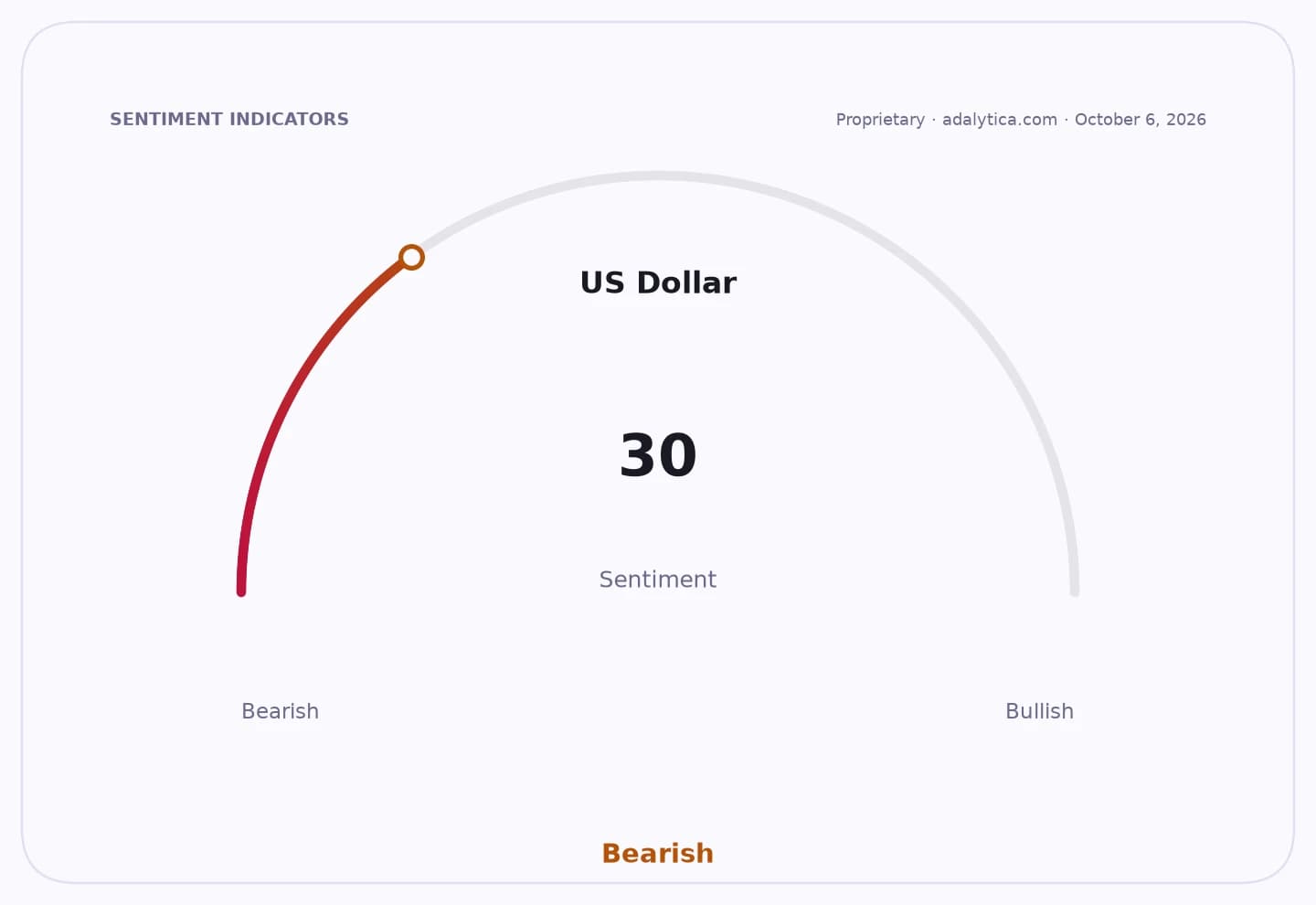
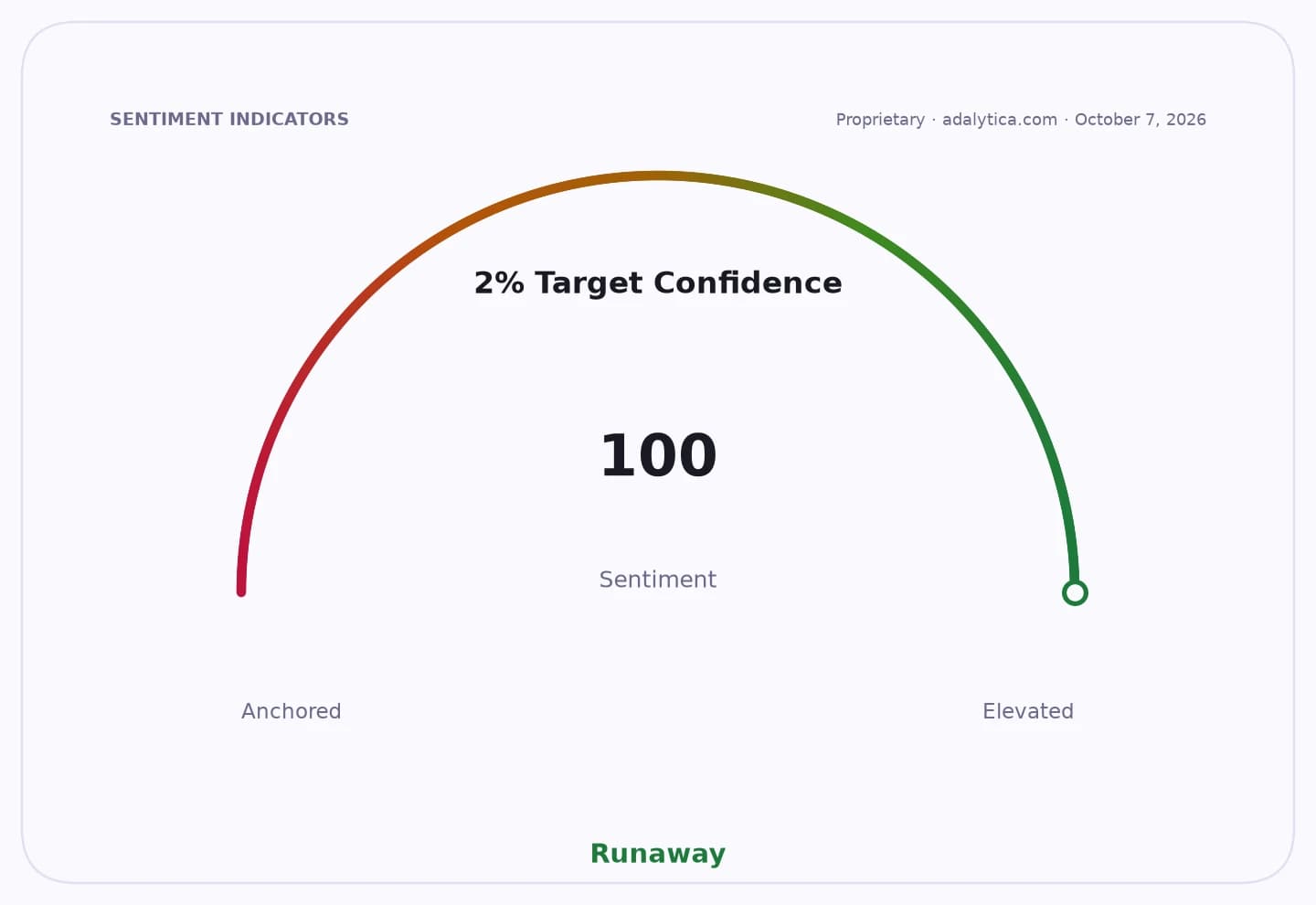
Sentiment IndicatorsⓘProprietary · adalytica.com · October 10, 2026
This is a snapshot — live sentiment, awareness and momentum for 130+ markets update continuously in the dashboard.Open AlphaPulse
For investors, that shift matters because it changes the discount rate on the entire local economy. Higher policy rates can lift funding costs for households, corporates and the sovereign, while also supporting the currency if markets believe the central bank is serious about anchoring expectations. For bondholders, the move is a reminder that inflation control is taking priority over short-term growth support. For equities tied to domestic demand, it raises the risk that borrowing costs will stay restrictive longer than the market expected.
The decision also comes with an important nuance: the bank said it still wants to preserve an “expansive” monetary stance. That suggests officials are not yet launching a full tightening cycle, but rather trying to keep policy loose enough to support activity while still signaling discipline on prices. That balancing act is common in small open economies exposed to imported inflation, food volatility and energy shocks. The latest rise in the consumer price index was linked to imported goods, fruit and vegetables, and fuel — exactly the kind of price pressures that can quickly seep into wage and pricing behavior if left unchecked.
The market read-through is straightforward. Local rate-sensitive assets should now trade with more caution, while the currency may find some support if the hike helps stabilize inflation expectations. Uruguay is still a relatively low-rate environment by global standards, but the direction of travel matters more than the level: once a central bank starts reacting to external shocks and inflation persistence, investors begin to price a narrower policy path and a firmer hand on inflation.
Our thesis is that this is less about one quarter-point move and more about a central bank drawing a line in the sand. If inflation stays near or above target and imported pressures persist, the case for additional tightening grows. If the bank succeeds in anchoring expectations early, it can protect growth later. Either way, the message to investors is to favor assets that benefit from policy credibility and avoid assuming the easing backdrop will last indefinitely.
| Entity | Gains | Losses |
|---|---|---|
| Uruguayan peso | ▲Credibility support | ▼If inflation stays sticky |
| Local bondholders | ▲Better inflation anchor | ▼Lower price gains if yields rise |
| Domestic borrowers | ▲None | ▼Higher financing costs |
| Inflation-sensitive equities | ▲Policy clarity | ▼Tighter discount rates |