The U.S. 10-year Treasury yield is pushing toward 5.3% again, and that matters because investors are being forced to price a world where geopolitics can swing risk assets, credit spreads and rate expectations in a single headline.
US 10-Year Yield Nears 5.3% as Peace Talks Shift
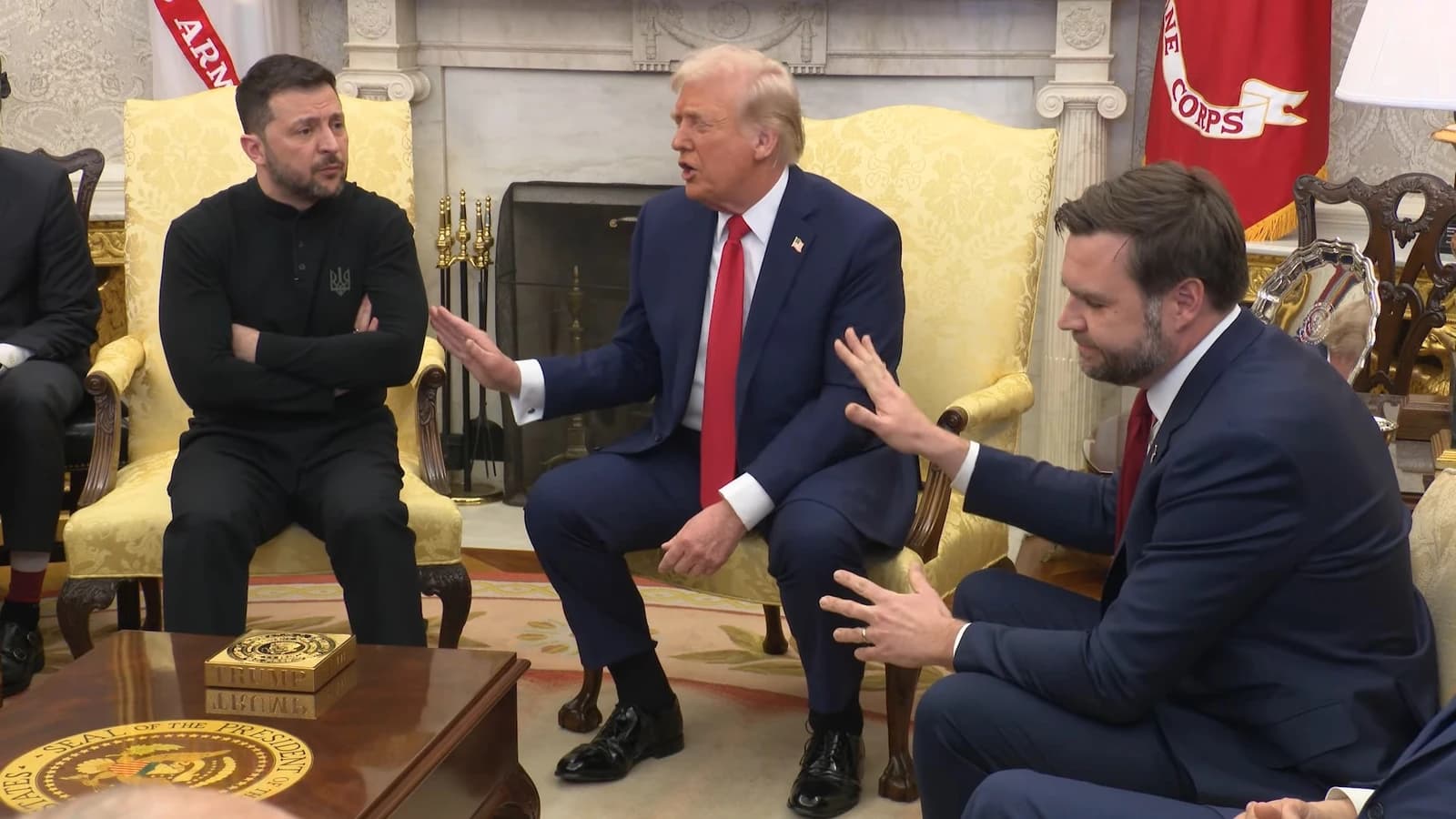
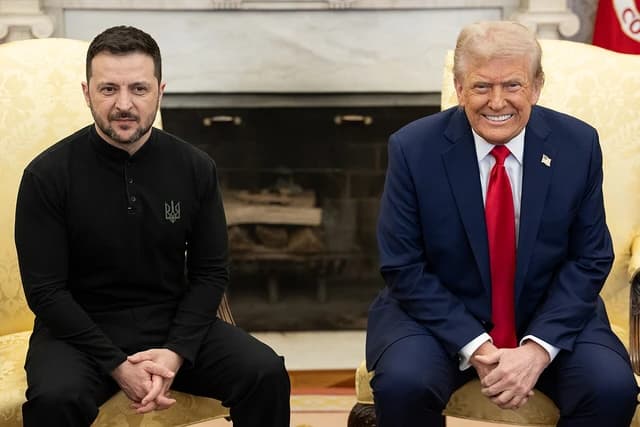
That is the real market story behind the latest cycle of peace-talk optimism and disappointment: traders keep rotating between relief rallies and risk-off repricing as the chance of a deal rises or fades. When markets believe negotiations could ease supply shocks, sanctions pressure or defense urgency, yields and equities can stabilize. When talks stall, the bid for safety returns, credit stress rises and long-duration assets get hit.
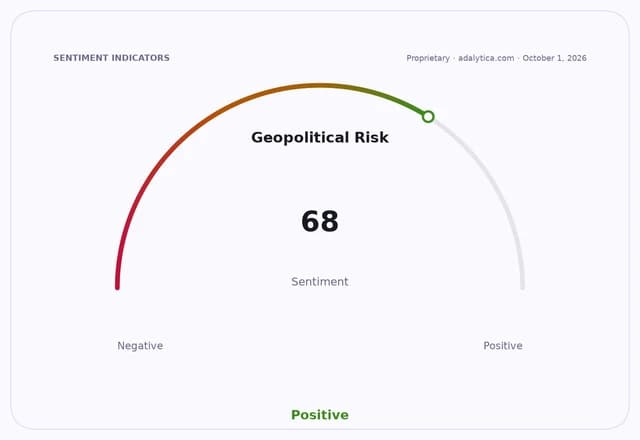
Sentiment IndicatorsⓘProprietary · adalytica.com · October 1, 2026
This is a snapshot — live sentiment, awareness and momentum for 130+ markets update continuously in the dashboard.Open AlphaPulse
The benchmark 10-year yield ended at 5.26% on September 29 and was forecast at 5.3% for September 30, a level that keeps financial conditions tight even before any fresh geopolitical flare-up. At the same time, the 10-year minus 2-year curve has firmed to 0.41 percentage point, a sign the market is no longer pricing the same recession alarm it did when the curve was inverted. That combination is awkward for stocks: growth is steady enough to keep yields elevated, but not strong enough to justify easy valuations.
High-yield spreads, meanwhile, remain around 3.08 percentage points, still contained but wide enough to remind investors that credit markets have not priced out policy and geopolitical shocks. That is why every shift in peace-deal chatter matters beyond the war headlines. A credible path to de-escalation could narrow spreads, support cyclicals and lift smaller companies. Failure, by contrast, keeps pressure on margins, energy costs and borrowing costs.
Equity markets are already showing the tug of war. The S&P 500 ETF SPY closed at 762.63 on Sept. 30, above its 50-day moving average of 761.19 and well above its 200-day average of 716.11, but momentum has cooled, with RSI at 55.8 and MACD only modestly above its signal line. That suggests a market still supported by liquidity and earnings, but vulnerable to a sharp macro or geopolitical shock.
Small caps are the cleaner tell. IWM closed at 277.89, far below its 50-day average of 292.5, with RSI at 28.7 and MACD still negative. That is a classic rate-sensitive setup: if peace talks somehow reduce safe-haven demand and push yields higher, small caps can struggle further. But if negotiations produce even a partial de-risking of the global backdrop, these names could snap back hard because they have already been punished.
Bonds are sending the same mixed message. TLT fell to 77.78, with RSI at 27.1 and the ETF trading below both its 50-day and 200-day moving averages. Investors are not rushing into duration as a haven, which tells you the market sees persistent inflation, sticky policy rates and unresolved geopolitical risk all at once.
Our thesis is simple: the market is underestimating how much optionality sits inside any peace-deal headline. A real breakthrough would not just be a diplomatic win — it would be a cross-asset catalyst that could hit Treasury demand, defense names, energy, industrials, European assets and high-beta small caps in very different ways. Until then, volatility remains the trade.
The best positioning is to stay exposed to the beneficiaries of uncertainty while keeping dry powder for the dip. Defense and energy still act as geopolitical hedges, while beaten-up small caps and duration-sensitive assets offer the most torque if peace-talk risk finally turns into actual de-escalation. In a market this headline-driven, the edge belongs to investors who own both the hedge and the rebound.
| Entity | Gains | Losses |
|---|---|---|
| Defense contractors | ▲Higher security spending | ▼Peace-deal breakthroughs |
| Energy producers | ▲Geopolitical risk premium | ▼De-escalation and supply easing |
| Small-cap stocks | ▲Lower yields and risk-on flows | ▼Sticky rates and safe-haven buying |
| Treasury bulls | ▲Flight-to-safety demand | ▼Rising yields on de-risking headlines |