The U.S. 10-year Treasury yield jumped above 5% to a 19-year high after a stronger-than-expected PMI reading reinforced bets that the Federal Reserve will keep tightening policy.
U.S. 10-Year Yield Tops 5% After Strong PMI

The benchmark yield rose to 5.083%, its highest since July 2007, after S&P Global said its flash composite PMI climbed to 58.4 in September, the strongest in 62 months. The move matters because higher long-term yields raise borrowing costs across the economy, from mortgages and corporate debt to state and federal financing, while also challenging the valuation of rate-sensitive stocks.
Sentiment IndicatorsⓘProprietary · adalytica.com · September 29, 2026
This is a snapshot — live sentiment, awareness and momentum for 130+ markets update continuously in the dashboard.Open AlphaPulse
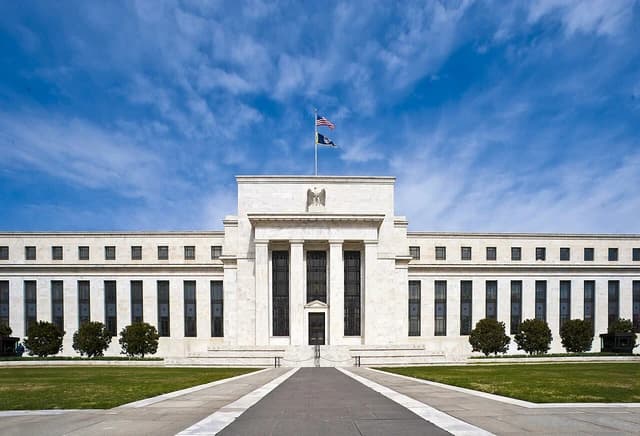
The 30-year yield climbed to 5.388%, reflecting a broader selloff in longer-dated government bonds. Fed Governor Michael Barr also backed further rate increases, saying inflation remains above the central bank’s 2% target and has not shown a clear path back in a reasonable time frame.
The PMI data pointed to broad-based expansion in the U.S. economy, with manufacturing and services both accelerating and new orders and employment improving. But the same report showed price pressures rising sharply, adding to concern that inflation could stay sticky even as activity remains firm.
DGS10 vs FEDFUNDS — macro contextadalytica.com
Explore this data interactively — full history, time series and cross-market comparisons.Open AlphaPulse

That combination is what investors are reacting to: stronger growth keeps the economy away from recession, but it also gives the Fed more room to raise rates further or hold them higher for longer. For markets, that typically means pressure on long-duration assets, including Treasury bonds and growth stocks, while the dollar and cash-like alternatives tend to benefit.
Treasury funds were already under strain. The iShares 20+ Year Treasury Bond ETF, or TLT, closed at 78.34 on the latest session, below its 50-day moving average of 81.77 and 200-day average of 84.17, with RSI readings near 25, a sign of persistent technical weakness. The S&P 500, by contrast, remained near record territory, suggesting equity investors are still digesting the rate shock rather than fully pricing in a deeper repricing.
The next test is whether upcoming U.S. inflation data and Fed commentary confirm that the stronger PMI is a one-off or the start of a hotter-for-longer growth and price backdrop.
| Entity | Gains | Losses |
|---|---|---|
| Savers / cash holders | ▲Higher yields | ▼Lower bond prices |
| Banks / lenders | ▲Wider interest income | ▼Borrowers facing higher costs |
| Treasury bulls | ▲Potential entry levels | ▼Mark-to-market losses |
| Rate-sensitive stocks | ▲— | ▼Valuation pressure |