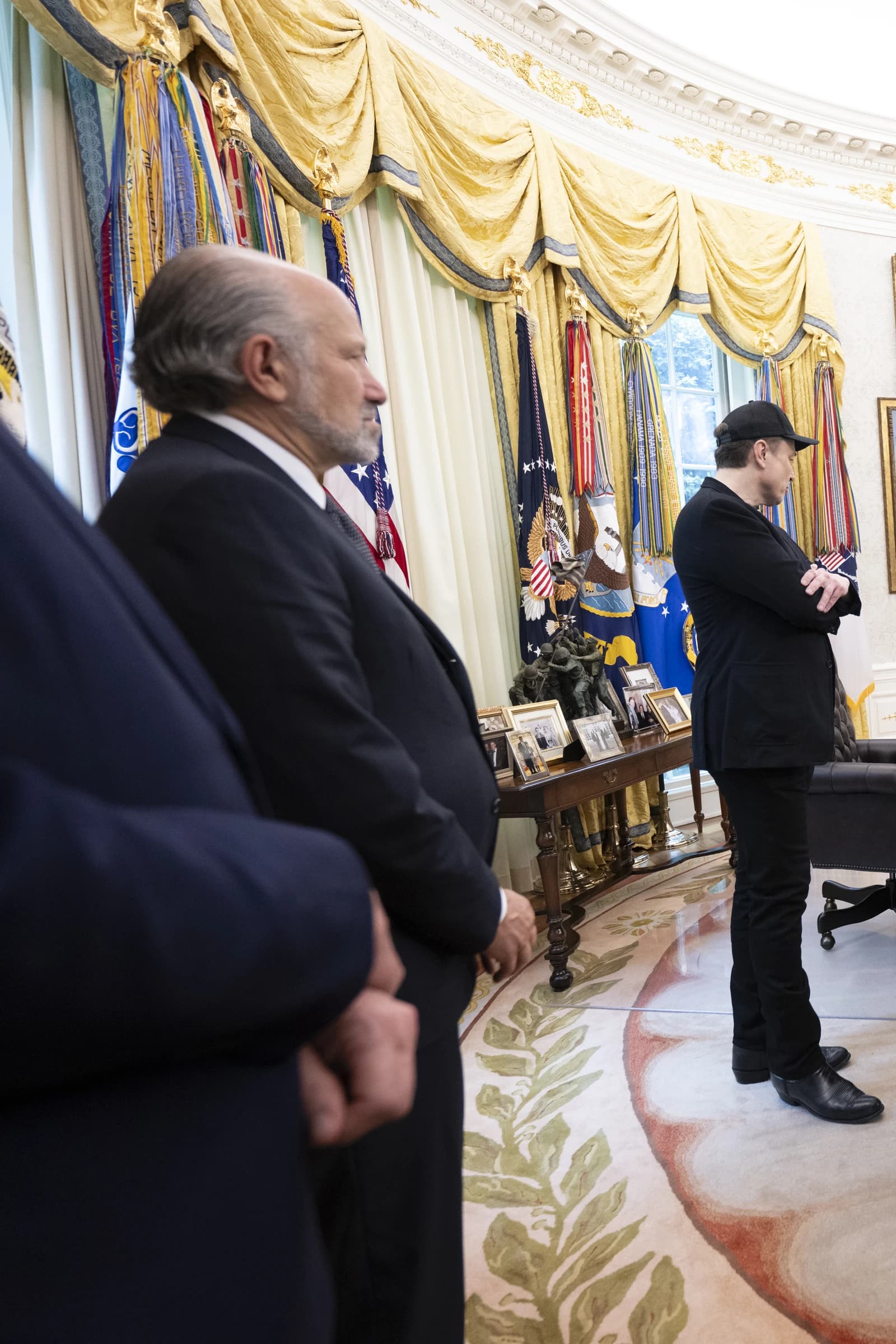
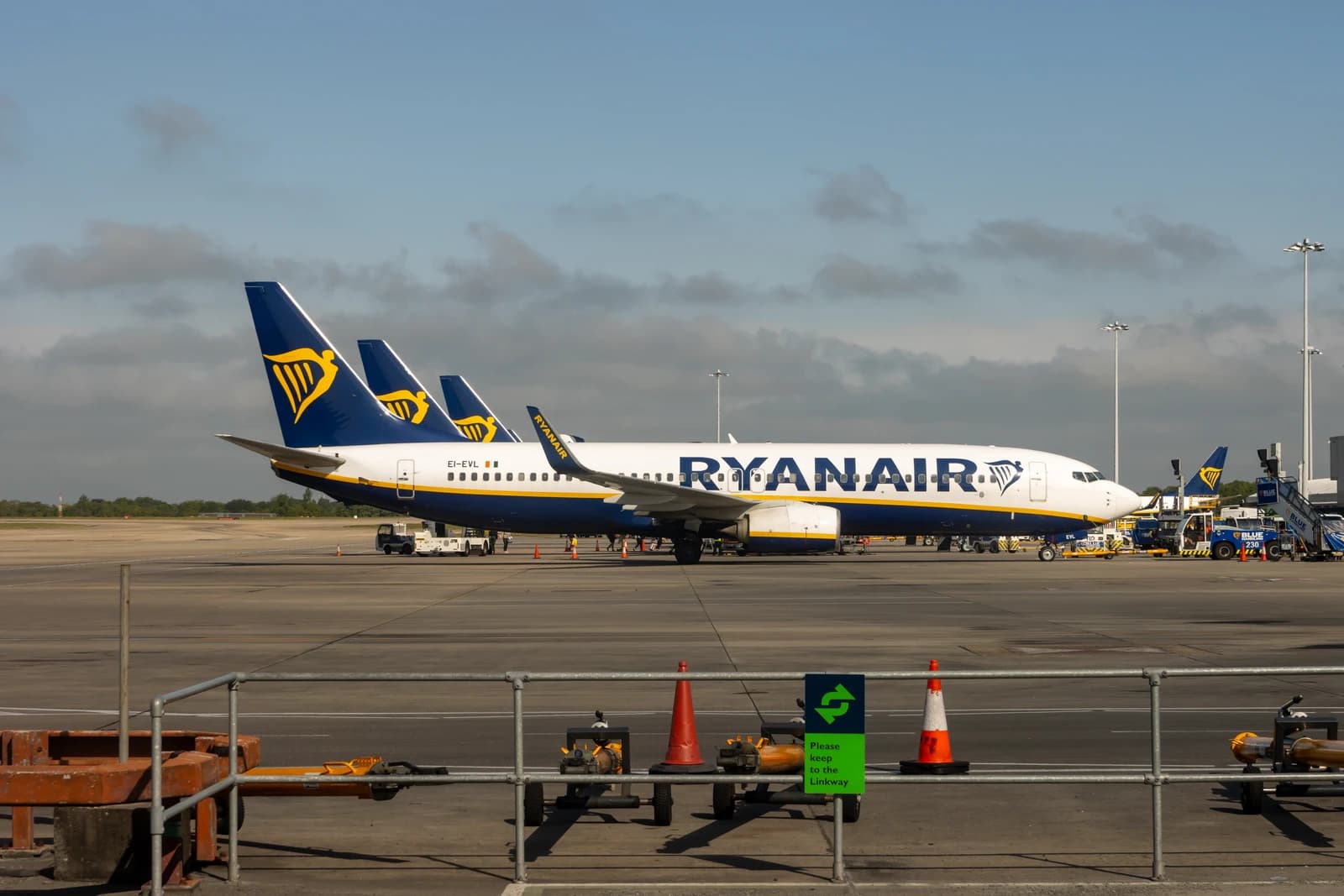
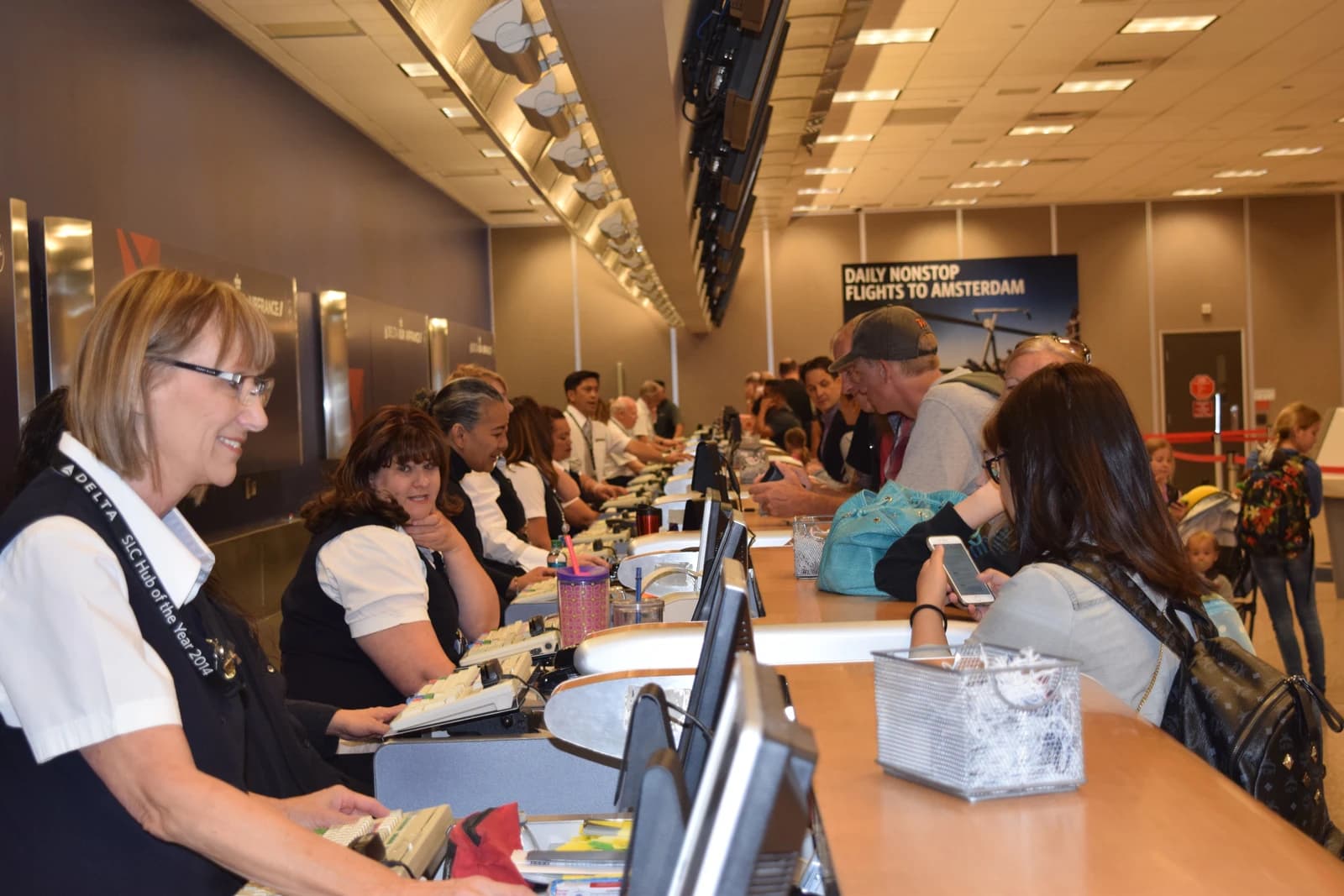
Thanksgiving air travel is turning into a policy and operational test for U.S. airlines, with more than 1,700 flights delayed and hundreds canceled as President Trump moves to assemble a new Federal Aviation Administration team.
U.S. Airlines Face Thanksgiving Flight Delays
That combination matters because it puts the aviation system’s weakest points — staffing, air traffic control coordination and airport resilience — directly in the spotlight during the year’s busiest travel window. When the system buckles in late November, the damage is immediate for travelers but also financial: disruptions ripple through airline schedules, raise compensation and repositioning costs, and can soften already-fragile near-term revenue visibility.
Sentiment Indicators
The market is watching the large carriers first. United Airlines, Delta Air Lines and American Airlines all face the same holiday bottlenecks, but their stock behavior shows investors are already treating operational reliability as a tradeable edge. United has been bouncing around the $108 level, Delta is holding above its 50-day moving average near $82.7, and American remains deeply discounted at about $12.81 — still below its 200-day average around $13.40. That split tells you where sentiment sits: the majors with stronger balance sheets and better network control can absorb shocks, while weaker names remain hostage to every operational hiccup.
The broader implication is more important than the headline delay count. Air travel disruptions during peak demand periods expose how tightly U.S. mobility is tied to federal aviation capacity. A new FAA team under Trump raises the odds of eventual policy change, but it also highlights the market’s bigger question: whether Washington will respond with infrastructure upgrades, staffing relief or tougher oversight after another high-profile holiday breakdown.
For investors, the best read-through is not simply bearish for airlines. It is bullish for the picks-and-shovels around aviation reliability — software, scheduling systems, airport infrastructure and maintenance capacity — because every winter disruption reinforces the case for spending to prevent the next one. If this holiday week turns into another extended travel debacle, carriers with better execution should outperform, while the weakest operators and the most delay-prone airports face the harshest scrutiny.
The market underestimates how quickly travel chaos can become a capital-allocation story. If the FAA reset leads to faster modernization and tighter operational standards, the long-term winners will be the carriers and suppliers best positioned for a more resilient aviation system. For now, the takeaway is straightforward: treat holiday disruption as a signal to favor quality airlines and the infrastructure businesses that profit when the U.S. aviation system is forced to upgrade.
| Entity | Gains | Losses |
|---|---|---|
| Stronger legacy airlines | ▲Relative resilience | ▼Less severe investor penalty |
| American Airlines | ▲— | ▼Higher disruption risk |
| FAA reform backers | ▲Policy momentum | ▼Public pressure |
| Aviation tech and infrastructure suppliers | ▲More upgrade demand | ▼— |