The United States has added Singapore-based Megaspeed to its commercial blacklist, forcing U.S. suppliers to seek licenses before shipping export-controlled products as Washington escalates its crackdown on suspected AI chip diversion into China.
U.S. Blacklists Megaspeed Over Nvidia Chip Diversion
The move matters because it targets a conduit that officials say helped move Nvidia semiconductors through Southeast Asia to evade U.S. restrictions, underscoring how export controls are becoming a direct lever in the broader tech confrontation with Beijing. The Commerce Department said the designation will be published officially on Wednesday.
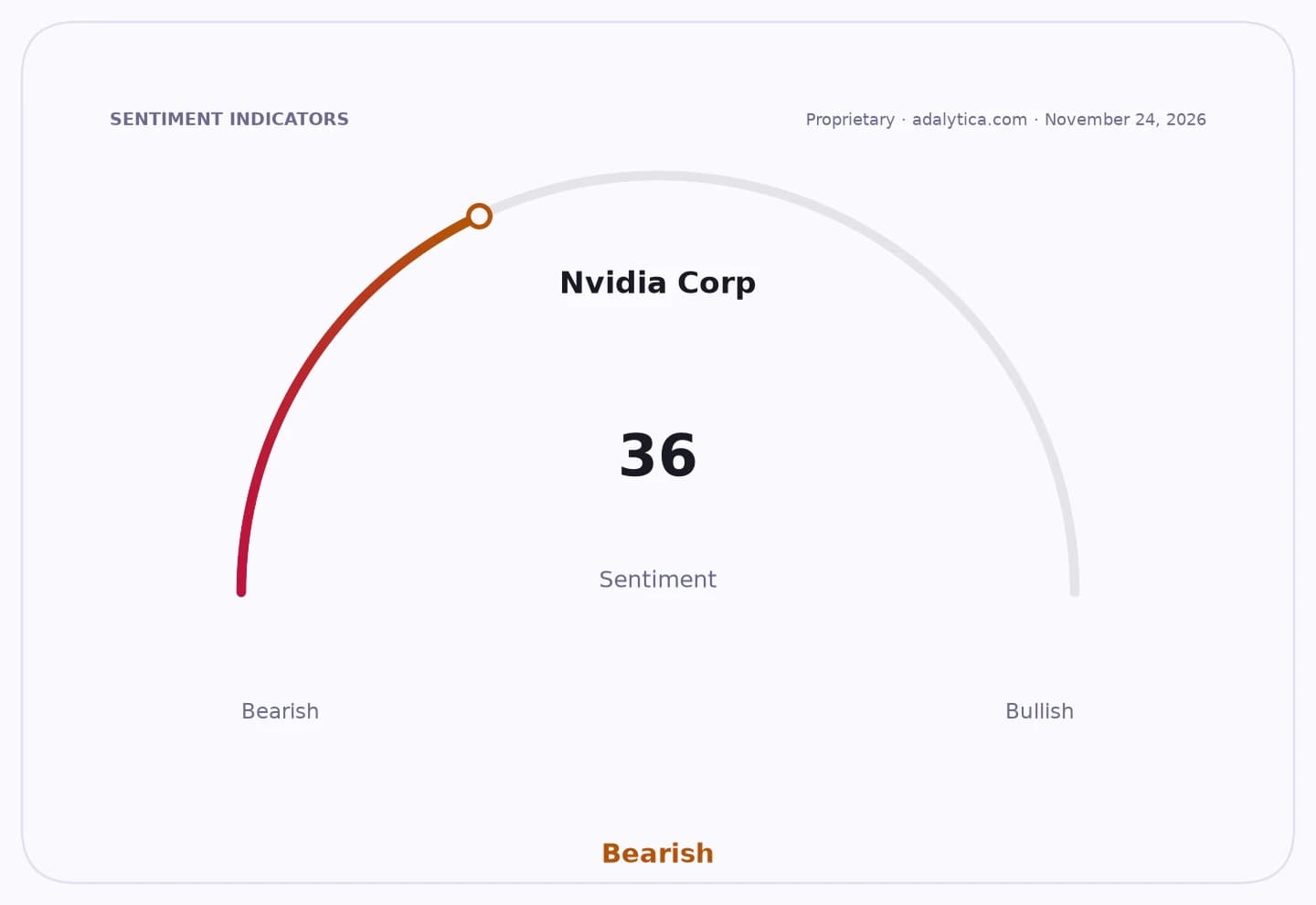
Sentiment Indicators
Nvidia Corp
According to The New York Times, Megaspeed began buying large quantities of Nvidia chips in 2025 and routed them from California to Malaysia, where its subsidiary received more than $800 million of controlled supplies between July 2025 and February 2026. U.S. officials suspect the company was used to funnel advanced chips to China, a claim that has put Nvidia back at the center of trade-enforcement scrutiny.
The blacklist decision also highlights a split inside the Trump administration that delayed action for months. Treasury Secretary Scott Bessent, the Pentagon and the State Department had pressed for Megaspeed’s inclusion, while Commerce Secretary Howard Lutnick had resisted, according to Axios.
For Nvidia, the case adds another regulatory overhang just as the stock has been extremely volatile. The shares closed at $148.91 on Friday, well below the 50-day moving average of $202.25 and slightly under the 200-day average of $202.42, with the RSI at 35.1, a sign the stock remains technically weak after a steep selloff from above $220 in October.
The broader semiconductor sector has been whipsawed by export-control headlines, and the latest blacklist is likely to reinforce investor focus on how much AI demand can be converted into revenue without running into Washington’s restrictions. Traders are also watching whether more Southeast Asian intermediaries are added to U.S. enforcement lists, which could further complicate supply chains for chipmakers and their customers.
With publication of the blacklist still pending, the next market test will be whether regulators widen the net beyond Megaspeed and whether Nvidia faces fresh questions over its customer screening and regional sales channels.
| Entity | Gains | Losses |
|---|---|---|
| U.S. Commerce Department | ▲Tighter enforcement | ▼Trade friction |
| Nvidia | ▲Less illicit diversion risk | ▼More regulatory scrutiny |
| Megaspeed | ▲None | ▼License requirement, blacklist hit |
| China-linked buyers | ▲Harder chip access | ▼Supply disruption |