Washington is moving to widen its China research security crackdown, a step that could make it harder for U.S. universities and labs to collaborate with Chinese institutions and sharpen the risk premium around semiconductor, AI and other sensitive technology names.
U.S. Widening China Research Security Crackdown

The effort matters economically because research access is a competitive input in advanced chips, cloud computing and defense-adjacent technologies. Any tighter screening of partnerships, grants or personnel ties would add friction to innovation pipelines at a moment when the U.S. is already trying to keep frontier know-how from reaching China. For investors, that means more uncertainty around supply chains, export controls and the China revenue outlook for companies with deep exposure to the world’s second-largest economy.
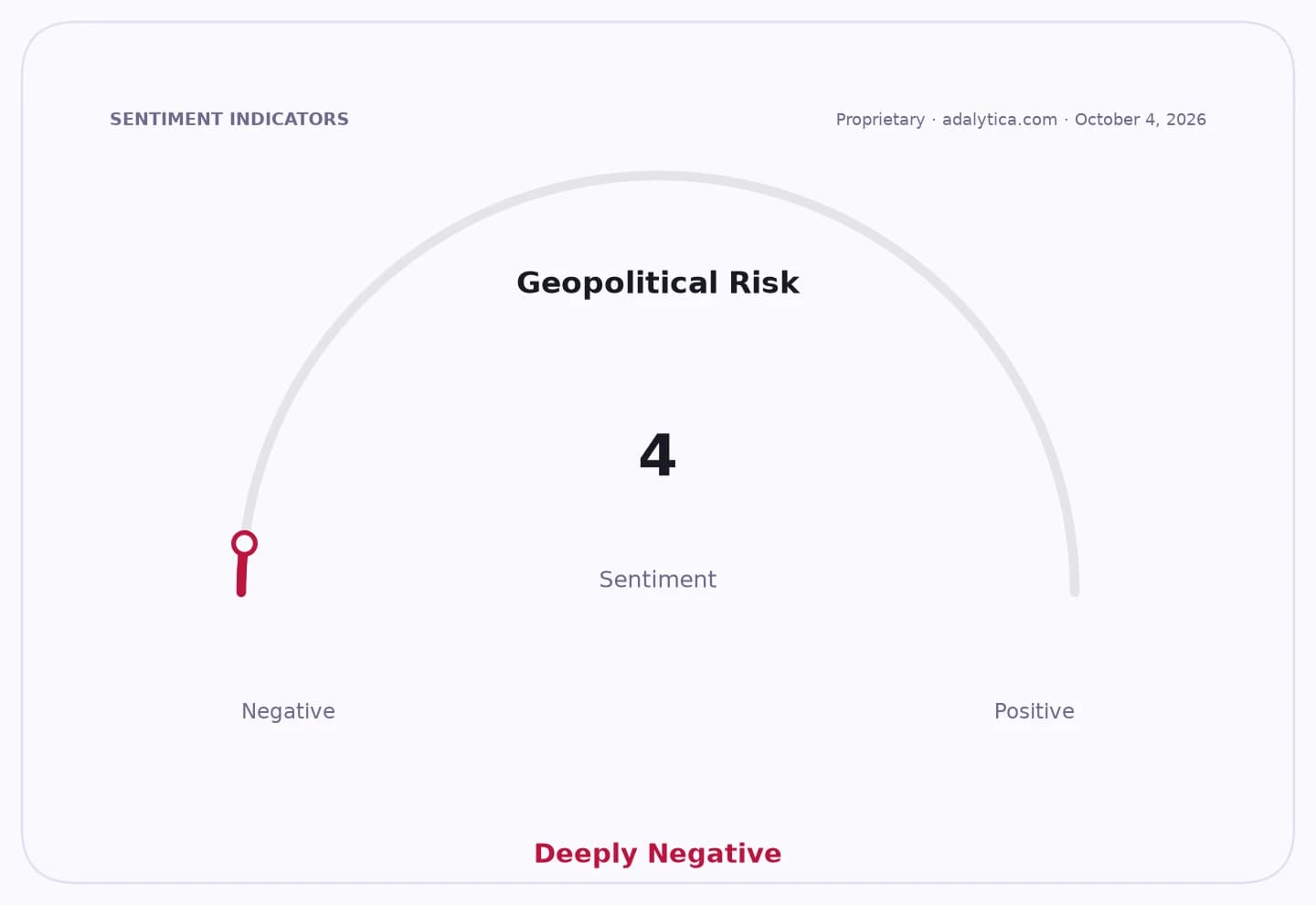
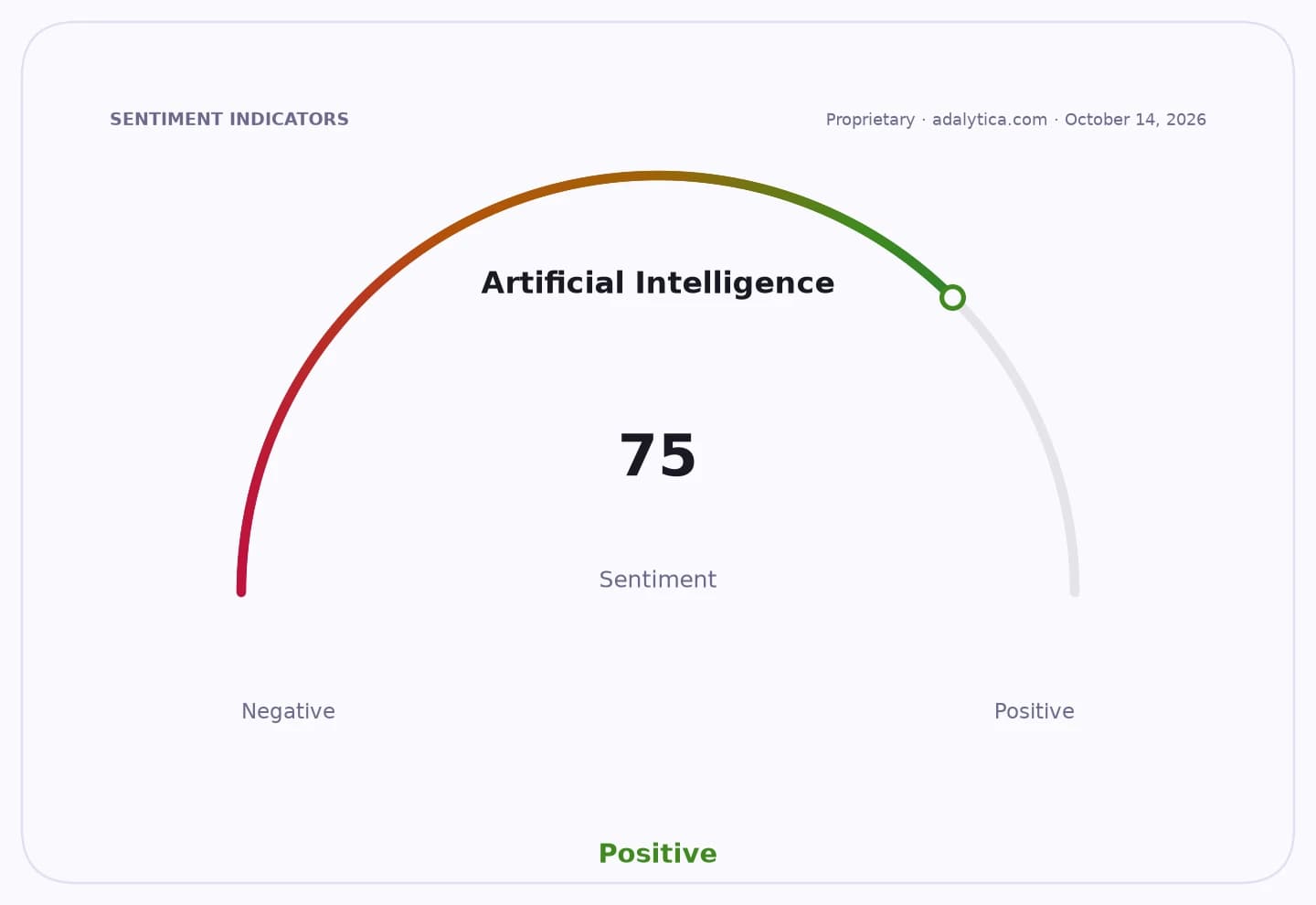
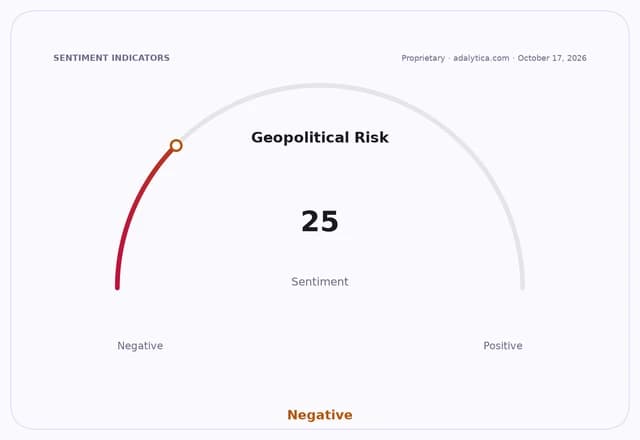
Sentiment IndicatorsⓘProprietary · adalytica.com · October 17, 2026
This is a snapshot — live sentiment, awareness and momentum for 130+ markets update continuously in the dashboard.Open AlphaPulse

The policy push lands against a backdrop of worsening cyber and strategic mistrust. Recent allegations of Chinese-linked cyber activity, including claims involving Swiss space firm Beyond Gravity and critical infrastructure elsewhere in Asia, have reinforced the view in Washington and allied capitals that technology controls are no longer just trade policy but a national security tool. China has denied the accusations and accused the U.S. of politicizing cybersecurity, a reminder that retaliatory measures remain a live risk.
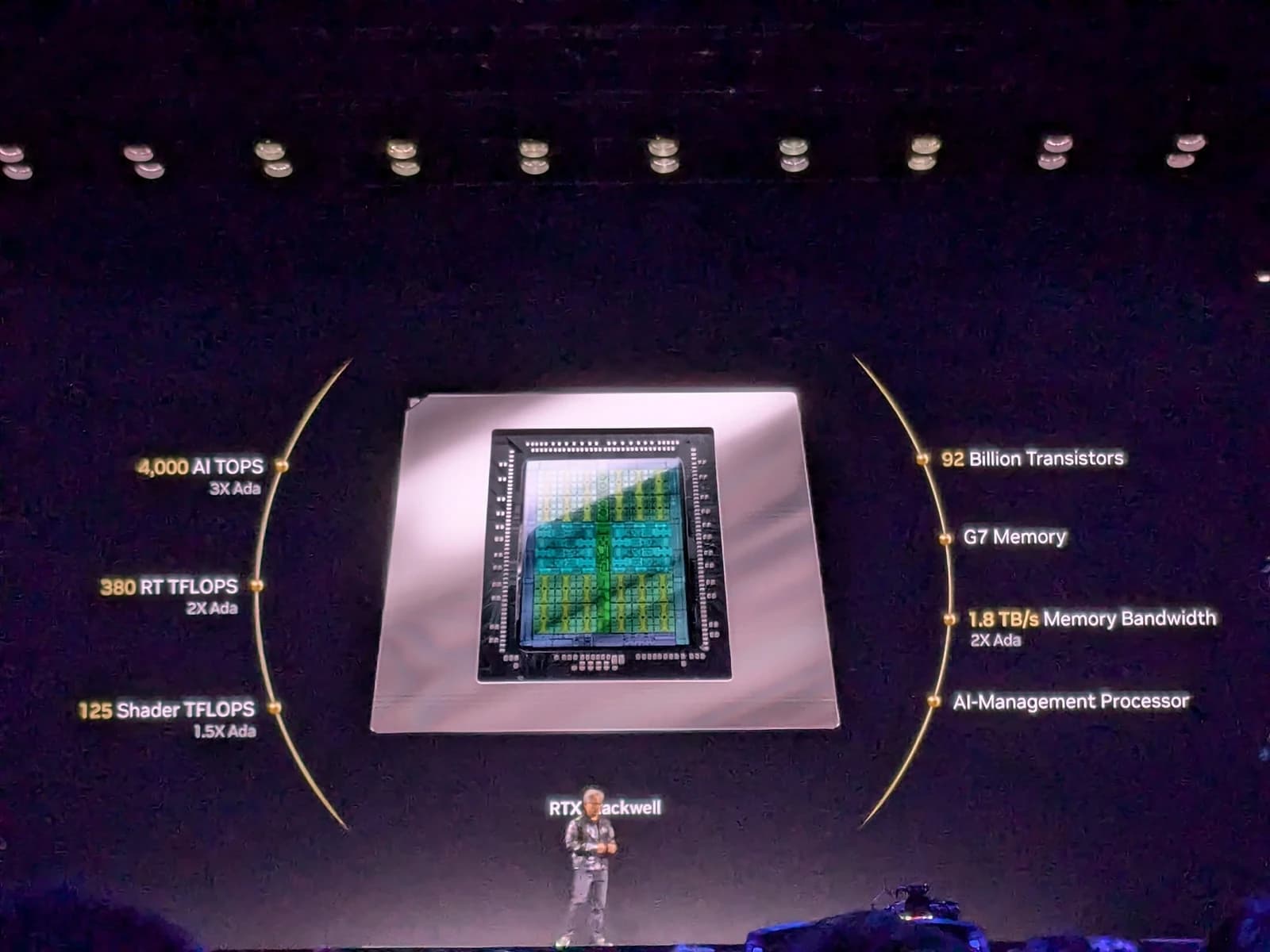
The market implications are clearest for chipmakers and equipment suppliers. Nvidia and Qualcomm have both flagged in filings that export restrictions and licensing hurdles can complicate sales, support and intellectual property protection in China. Applied Materials has made similar disclosures about trade rules and export licenses limiting market access. Those firms may not be the direct target of a research-security list, but investors know the political logic travels quickly from campuses and laboratories to commercial technology channels.
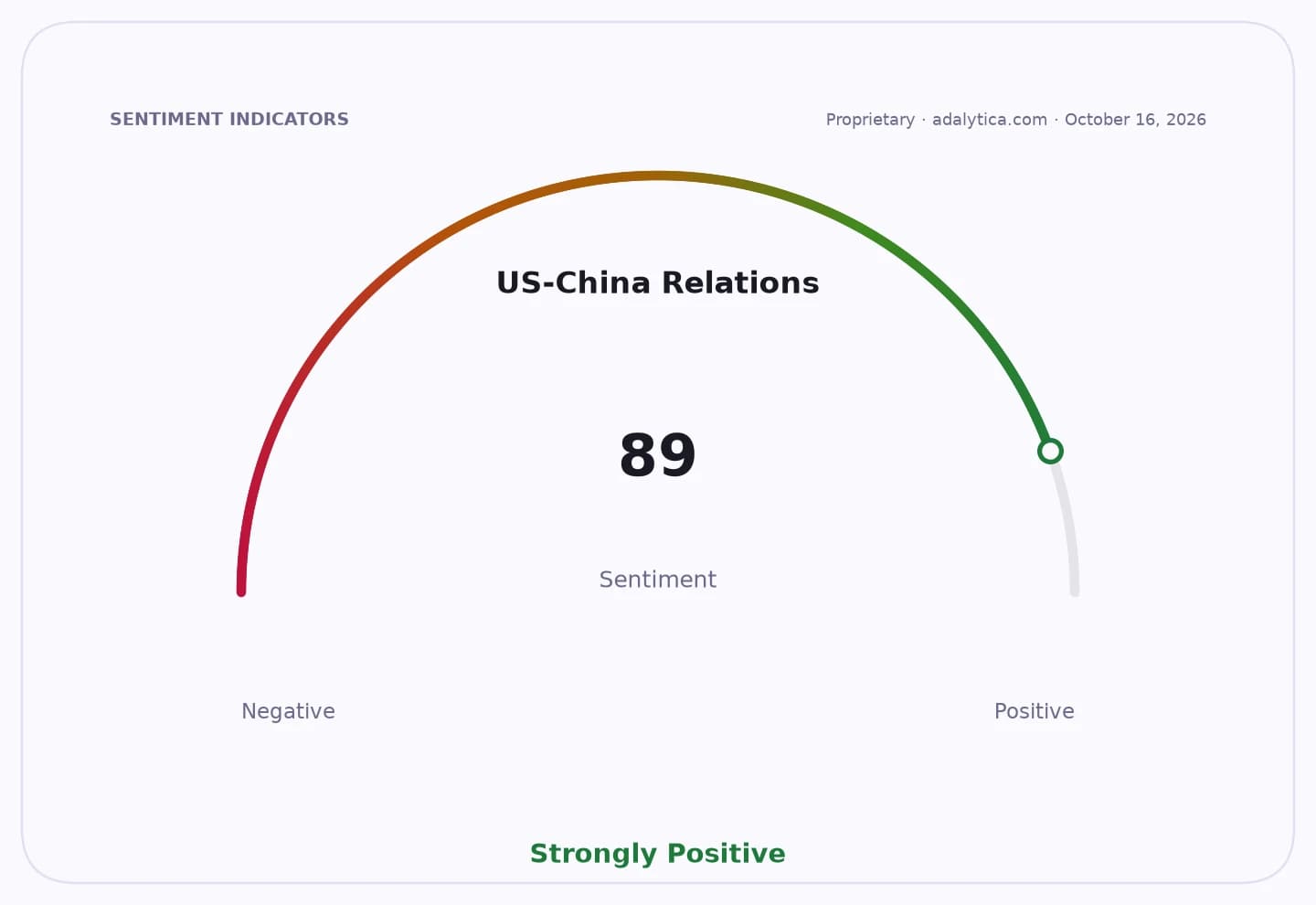
US-China Relations — 30-day sentimentadalytica.com
Explore this data interactively — full history, time series and cross-market comparisons.Open AlphaPulse
Price action shows the market is already discounting that policy overhang. TSMC shares have slipped to $412.61 from a recent high above $476, while Nvidia has eased to $214.13 and Qualcomm to $172.11. Their 50-day moving averages remain above current prices, and momentum indicators such as RSI and MACD have softened, suggesting traders are reducing exposure after an earlier run-up in semiconductor shares.
The bull case is that tighter research rules would mostly affect academic collaboration rather than immediate commercial sales, and the biggest U.S. platforms still benefit from structural demand for AI chips, advanced packaging and domestic manufacturing. The bear case is that Washington keeps broadening the perimeter around China risk, which can weigh on valuations by raising compliance costs, slowing deal flow and increasing the odds of fresh retaliation from Beijing.
That leaves investors focused on whether this becomes a one-off policy initiative or another step in a longer tightening cycle. If lawmakers succeed in broadening the security list, the likely winners are domestic security contractors and firms tied to onshore manufacturing, while the losers are companies with the most to lose from a deeper split between U.S. innovation networks and Chinese demand.
| Entity | Gains | Losses |
|---|---|---|
| U.S. security hawks | ▲Broader screening powers | ▼Slower open research ties |
| Chinese research partners | ▲— | ▼Less access to U.S. collaboration |
| Nvidia, Qualcomm, TSMC | ▲Domestic policy focus | ▼China-related uncertainty |
| U.S. universities and labs | ▲Clearer compliance rules | ▼Higher admin and funding friction |