The discovery of 11 million tons of rare earth elements in U.S. coal ash could materially weaken China’s grip on a market vital to electric vehicles, wind turbines, semiconductors and advanced weapons.
U.S. Coal Ash Rare Earths Could Aid Supply Chain

That matters because rare earths sit at the center of the energy transition and modern defense supply chains, yet China still accounts for about 70% of mining and 90% of processing globally. Any domestic source large enough to reduce U.S. reliance on Chinese material is strategically important, especially as Washington tries to rebuild critical-mineral capacity after years of offshoring and underinvestment.
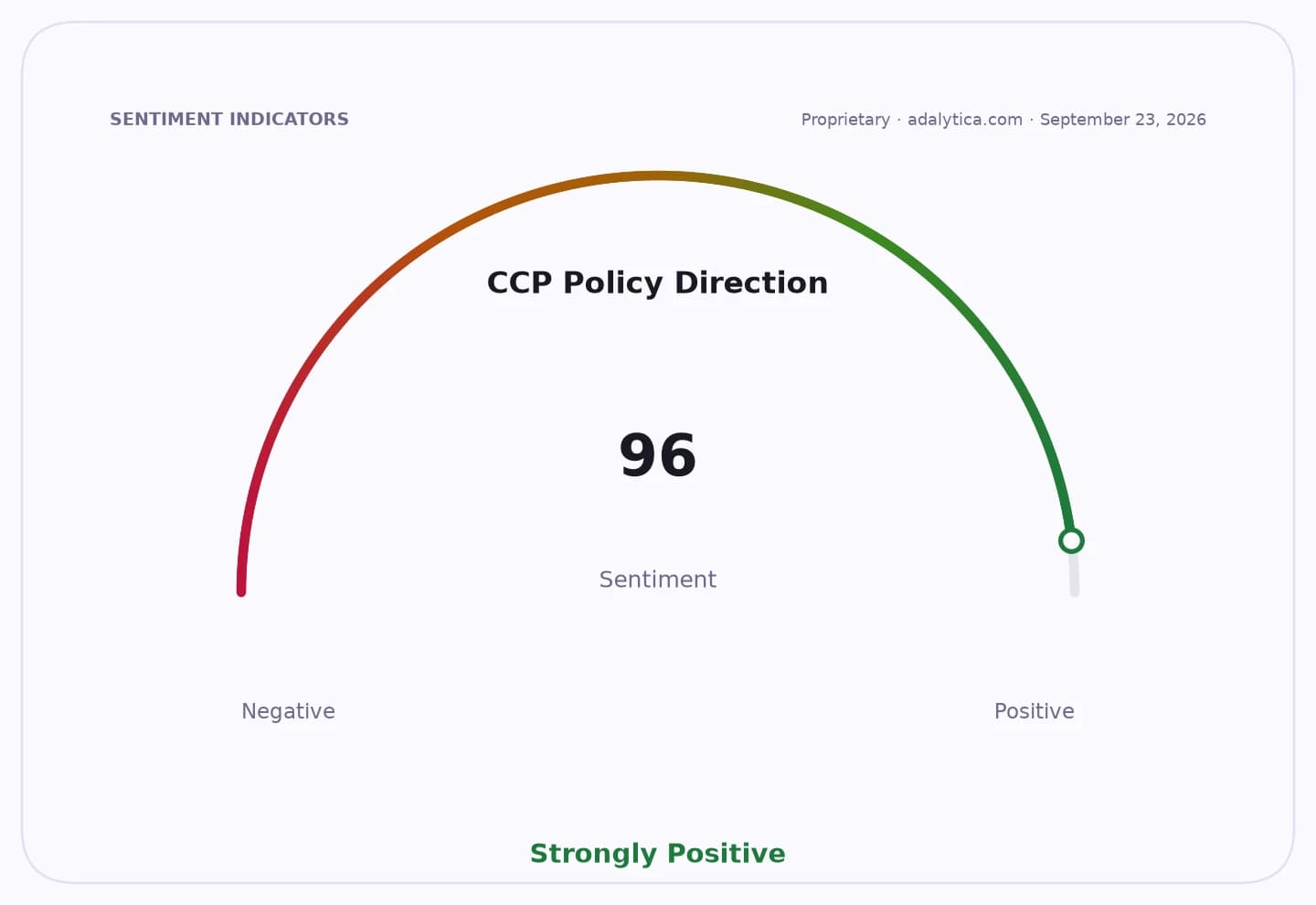
Sentiment IndicatorsⓘProprietary · adalytica.com · September 5, 2026
This is a snapshot — live sentiment, awareness and momentum for 130+ markets update continuously in the dashboard.Open AlphaPulse

Researchers at the University of Texas at Austin estimate the rare earth content trapped in U.S. coal ash is worth almost $100 billion, with concentrations rising roughly tenfold after coal is burned. In their view, the ash stockpile contains nearly eight times more rare earths than the country’s known natural reserves, turning what was once a disposal problem into a potential strategic resource.
The finding is not yet a commercial supply solution. Extracting rare earths from coal ash remains technically complex, energy-intensive and potentially polluting, which is why the industry is still testing alternatives such as electrochemical recovery, microbe-assisted extraction and plant-based methods. Still, the research reinforces a broader shift: the next wave of critical-mineral supply may come as much from waste streams as from new mines.
For investors, the implications run through the entire rare-earth chain. MP Materials, which operates the Mountain Pass mine and a magnet facility in Texas, and Energy Fuels, which has been positioning itself as a rare-earth processor, stand to benefit if U.S. policy continues to prioritize domestic supply and processing. Freeport-McMoRan, by contrast, is more exposed to the broader metals cycle than to this specific theme, but any surge in critical-mineral spending could still support the sector’s capital allocation backdrop. The challenge for bulls is execution: a large resource is not the same as bankable output, and the economics of recovery will determine whether coal ash becomes a niche supplement or a meaningful strategic source.
The broader narrative is one of supply-chain redesign driven by geopolitics. Washington wants resilience, China wants to preserve leverage, and miners want to capture the margin between strategic urgency and commercial feasibility. If coal ash can be processed at scale, the U.S. could convert an environmental liability into an industrial asset — and chip away at one of China’s most valuable monopoly positions.
| Entity | Gains | Losses |
|---|---|---|
| U.S. rare earth processors | ▲Larger domestic feedstock | ▼Dependence on imports |
| China | ▲None | ▼Share of supply-chain leverage |
| MP Materials / UUUU | ▲Policy tailwind, domestic sourcing | ▼If low-cost recovery scales slowly |
| Coal ash owners / utilities | ▲Potential value from waste | ▼Disposal-only economics |