U.S. consumers grew more pessimistic in August than economists expected, with the University of Michigan’s consumer sentiment index sliding to 51 and pointing to a softer outlook for household spending at a time when the economy is already showing signs of slowing.
U.S. consumer sentiment falls to 51 in August

The reading matters because consumer confidence is one of the earliest gauges of future demand for everything from groceries and apparel to travel and big-ticket purchases. When sentiment weakens, households often become more cautious, which can hit retail sales, pressure corporate margins and cool broader growth.
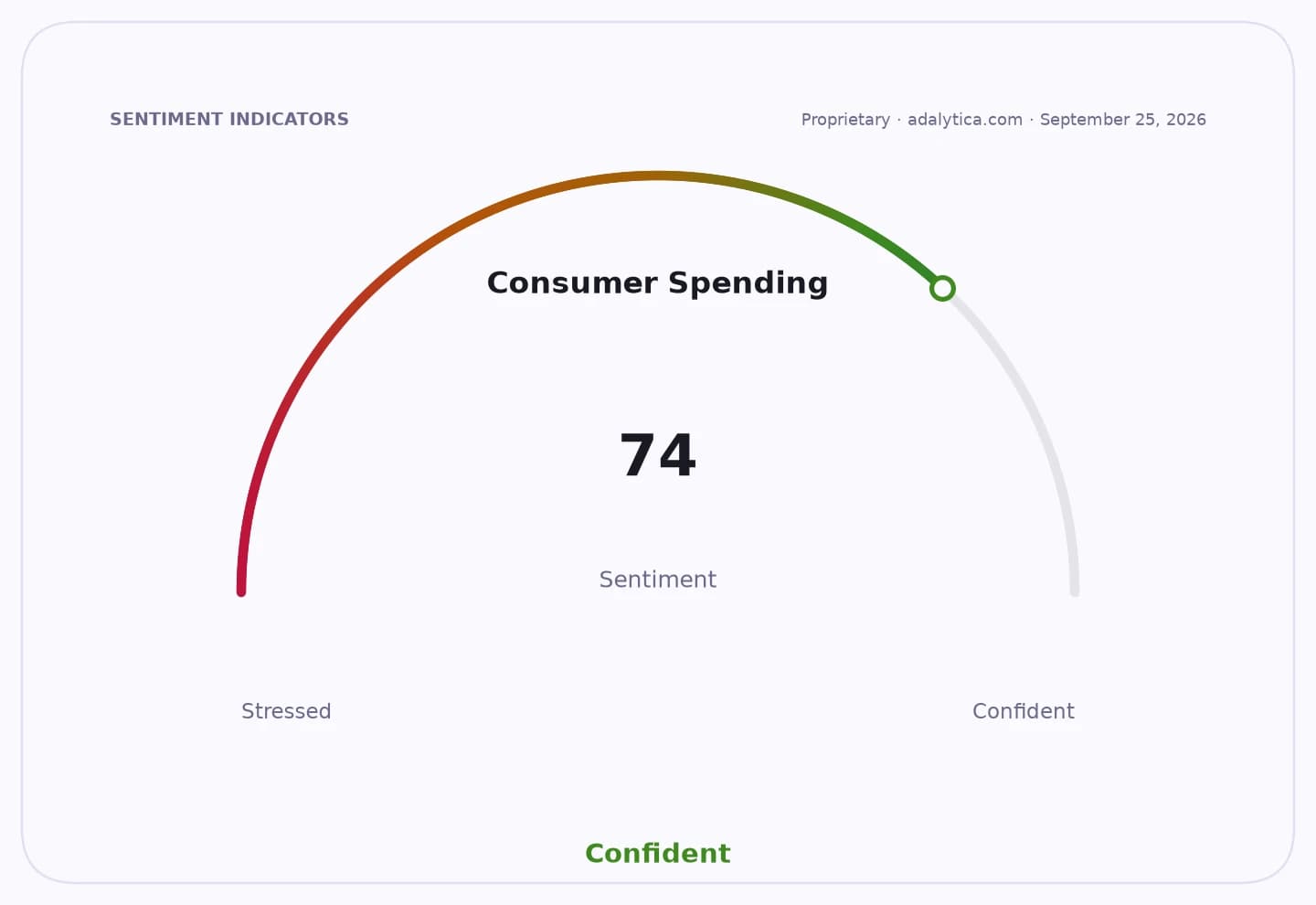
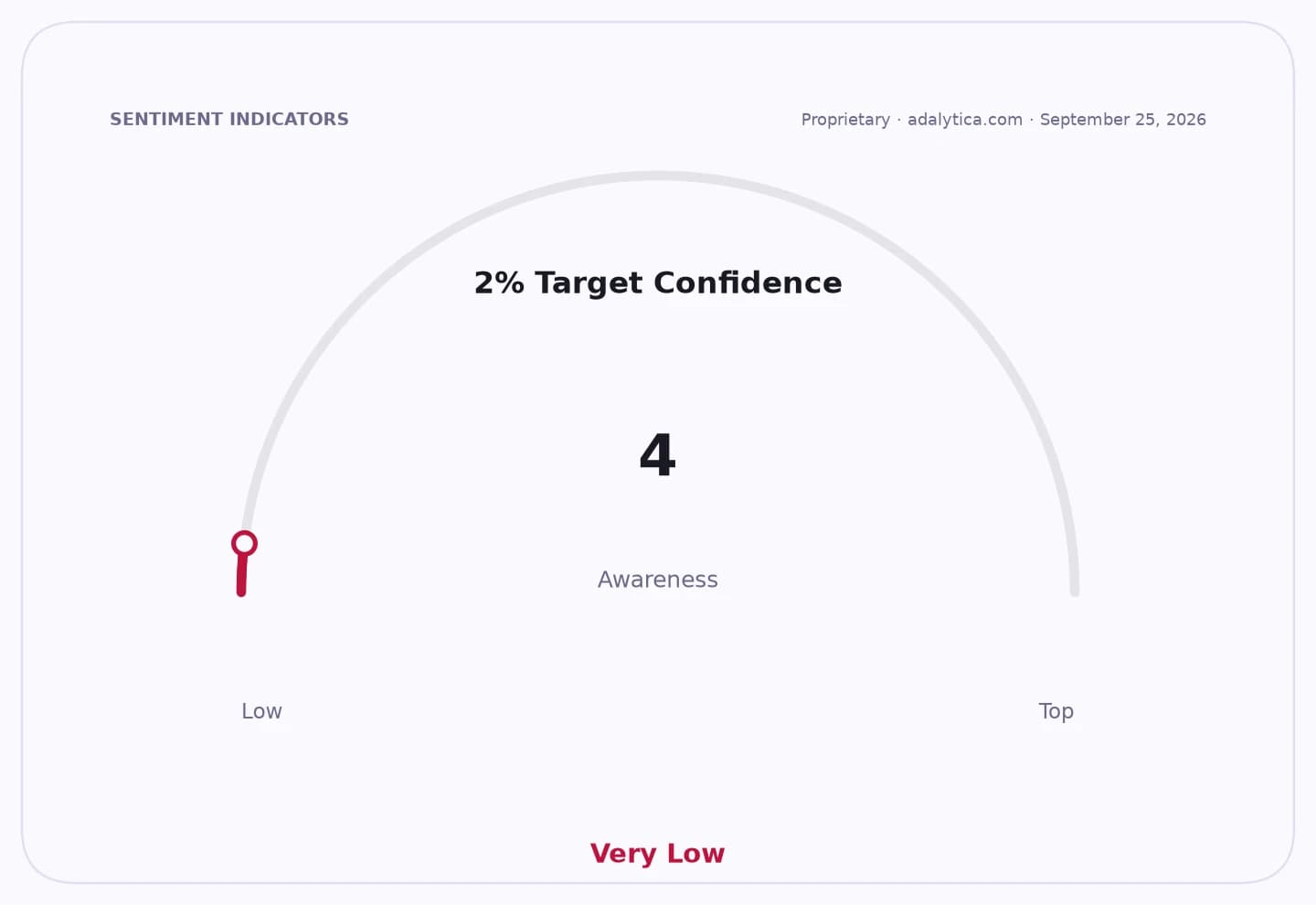
Sentiment IndicatorsⓘProprietary · adalytica.com · August 15, 2026
This is a snapshot — live sentiment, awareness and momentum for 130+ markets update continuously in the dashboard.Open AlphaPulse
The decline also adds to evidence that consumers are feeling the strain of still-elevated prices, tighter budgets and lingering uncertainty around the economy. Adalytica’s Consumer Spending Sentiment gauge is in “Fear” territory at 29, underscoring the same caution signal, even as the S&P 500’s broader trade backdrop remains relatively neutral.
For investors, the report is a warning sign for consumer-discretionary names and the wider market. The XLY consumer discretionary ETF has recently rebounded to 118.2, above its 50-day moving average of 115.92, but momentum can fade quickly if confidence keeps weakening and shoppers pull back.
Amazon, Target and other retail-heavy names are especially exposed because any loss of spending appetite tends to show up first in discretionary categories. Amazon shares were last at 262.65, while Target traded at 154.48 after a strong run; both could face pressure if the sentiment slump translates into weaker sales trends heading into the next round of earnings.
The bigger macro question is whether the August drop proves temporary or marks the start of a more persistent downshift in consumer behavior. The next inflation and spending data will help determine whether households are simply uneasy or actually starting to cut back.
| Entity | Gains | Losses |
|---|---|---|
| Essential retailers | ▲Defensive demand | ▼Discretionary peers |
| Consumers | ▲Lower spending urgency | ▼Purchasing power perception |
| Amazon | ▲Market-share resilience | ▼Higher-end discretionary demand |
| Target/XLY | ▲Rebound if sentiment stabilizes | ▼If spending weakens further |