For many households, the biggest reason money disappears is not one large shock but a steady drip of everyday expenses that outpace income.
US consumers face pressure from everyday expenses
That is the central message behind a wave of consumer data showing how quickly budgets can be swallowed by rent, transport, food and family obligations even when headline inflation and unemployment are easing. The pattern matters because it explains why consumers often say they are more confident than their wallets suggest, and why retailers, banks and consumer lenders keep seeing uneven demand.
Sentiment IndicatorsⓘProprietary · adalytica.com · September 11, 2026
This is a snapshot — live sentiment, awareness and momentum for 130+ markets update continuously in the dashboard.Open AlphaPulse
The broader economic backdrop is mixed. U.S. inflation is still running well above pre-pandemic norms, with the Consumer Price Index at 332.813 in July and forecast to edge to 333.9723 in August, while unemployment remains low at 4.1% in July and projected to hold near 4.0% in September. On paper, that points to a resilient economy. In practice, consumer spending remains fragile, especially for lower- and middle-income households that are already spending before payday arrives.
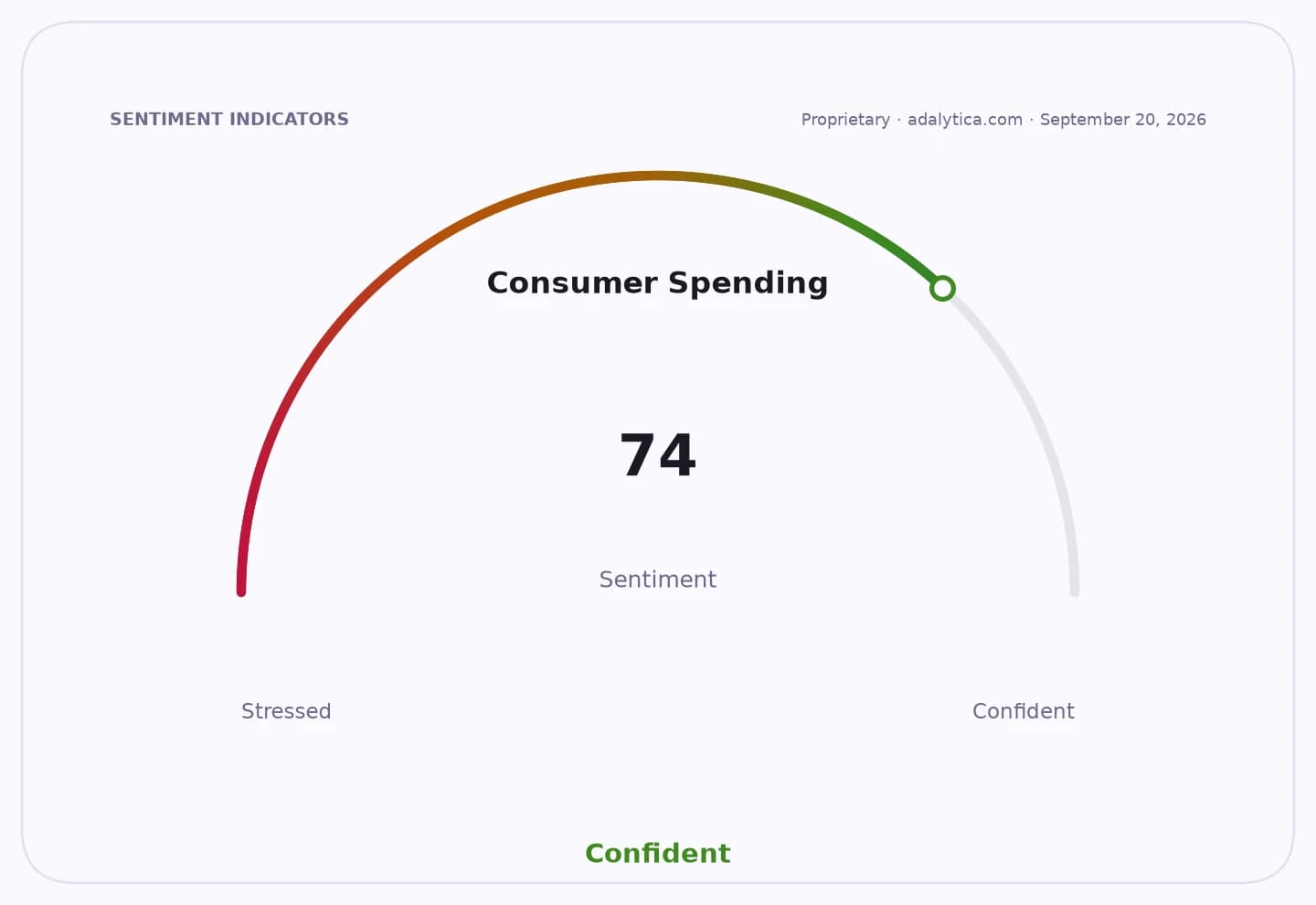
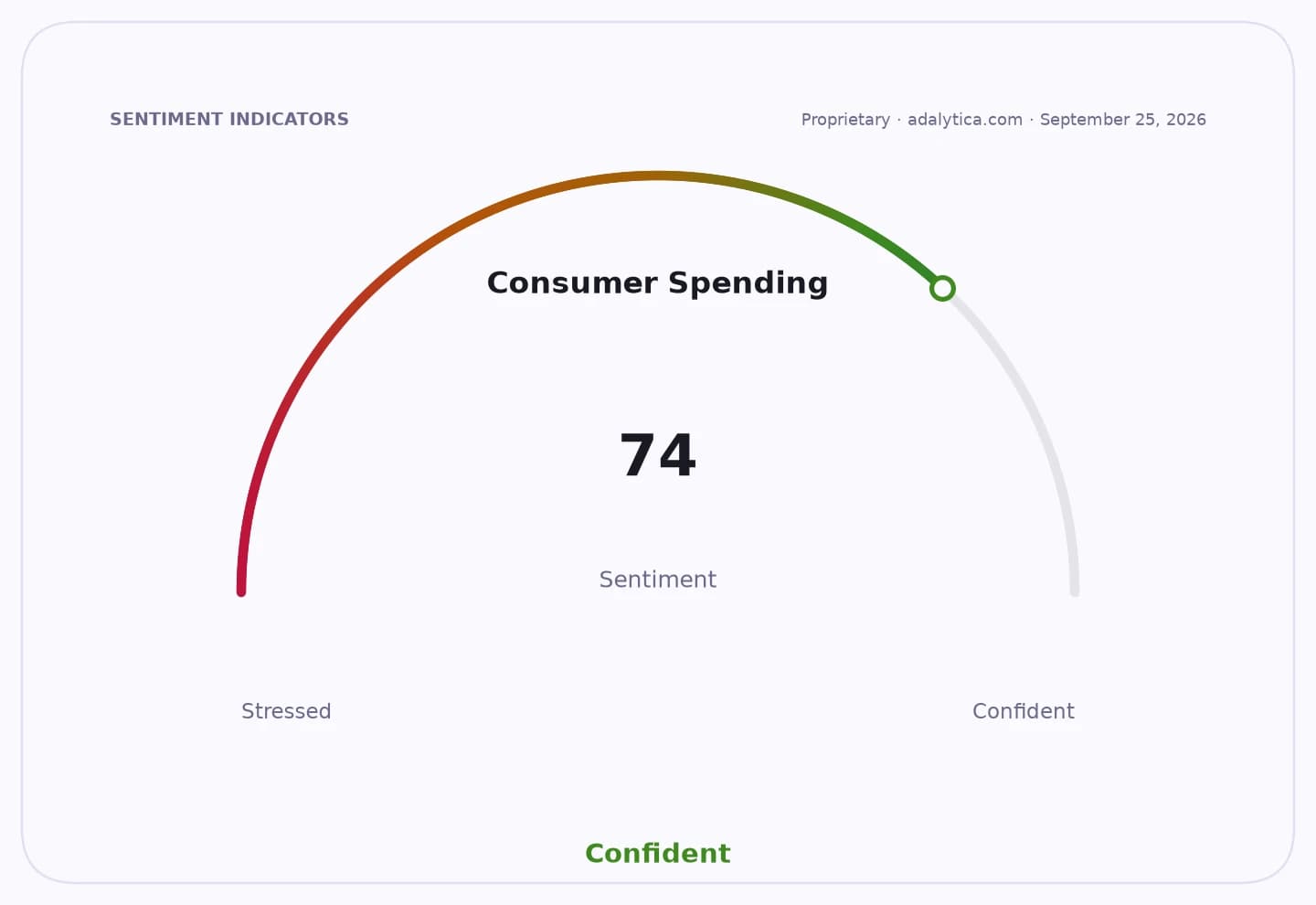
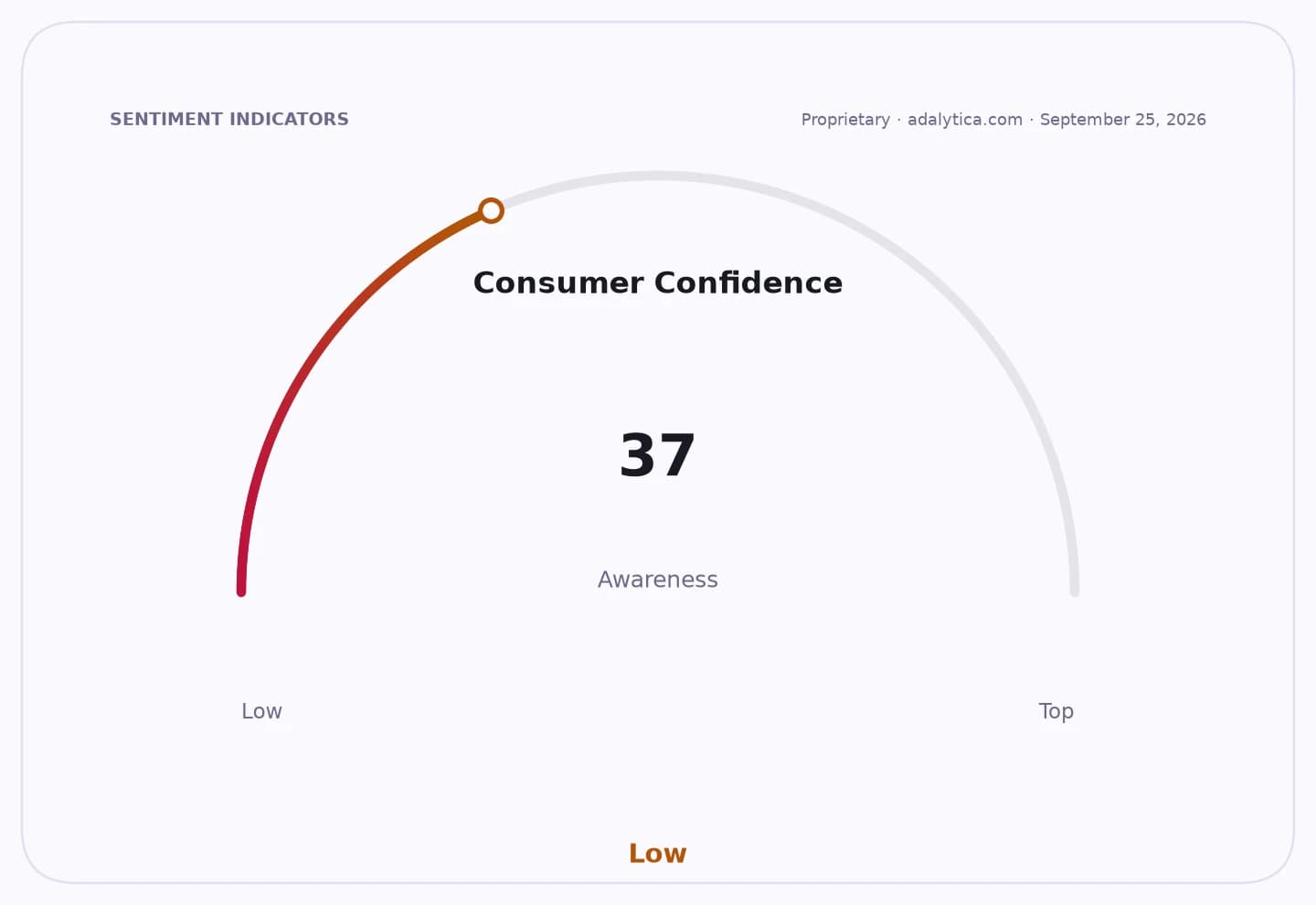
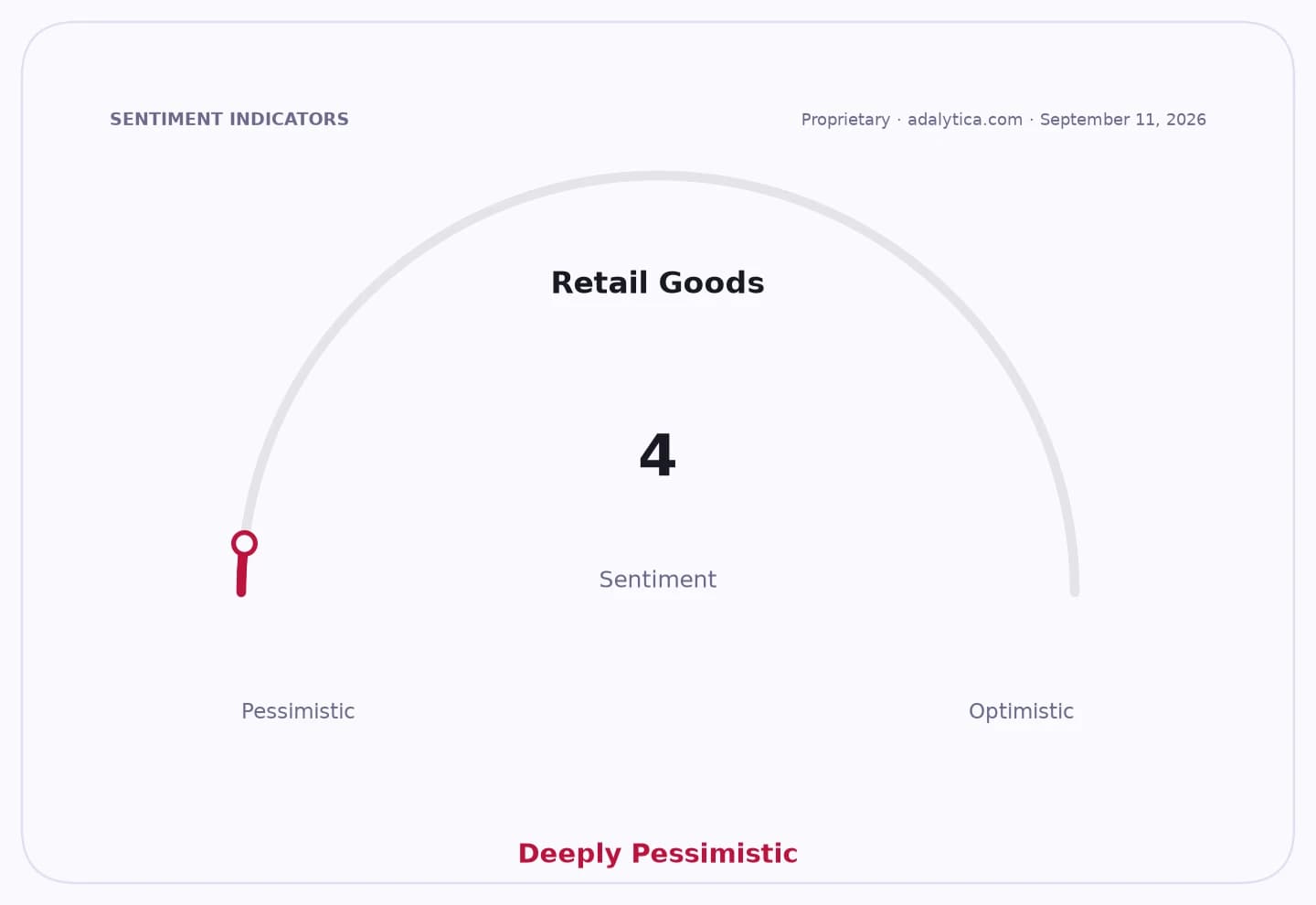
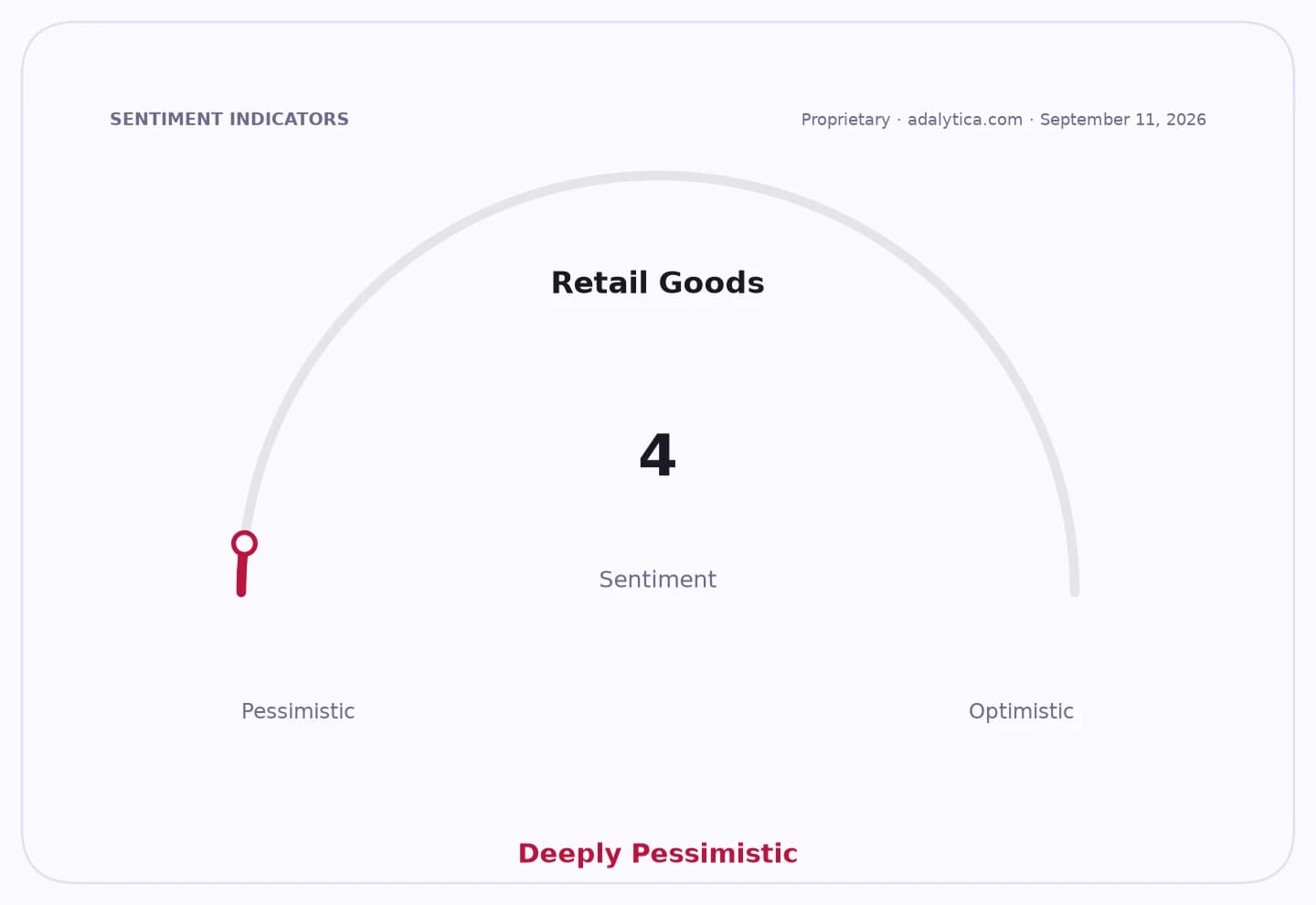
That tension is visible in market and sentiment indicators. Adalytica’s consumer spending sentiment gauge is at 100, or “Extreme Greed,” but its awareness reading is only 7, in “Extreme Fear,” suggesting households are highly engaged with spending yet increasingly conscious of strain. Retail-goods spending sentiment has collapsed to 4, also in “Extreme Fear,” while consumer confidence sits in fear territory at 26. The split points to a familiar dynamic: consumers still want to spend, but many are being forced to scrutinize every ride-hailing trip, takeaway order and small discretionary purchase.
RSXFS vs CPIAUCSL — macro contextadalytica.com
Explore this data interactively — full history, time series and cross-market comparisons.Open AlphaPulse
That is why personal budgeting advice lands with economic significance. A shift from high-frequency convenience spending toward structured saving, even by a few percentage points of income, can materially change household balance sheets over time. In the article’s framing, models such as 50/30/20 or 60/30/10 are not just lifestyle tips; they are a response to the reality that many people are already pre-committed to essentials before they have a chance to save.
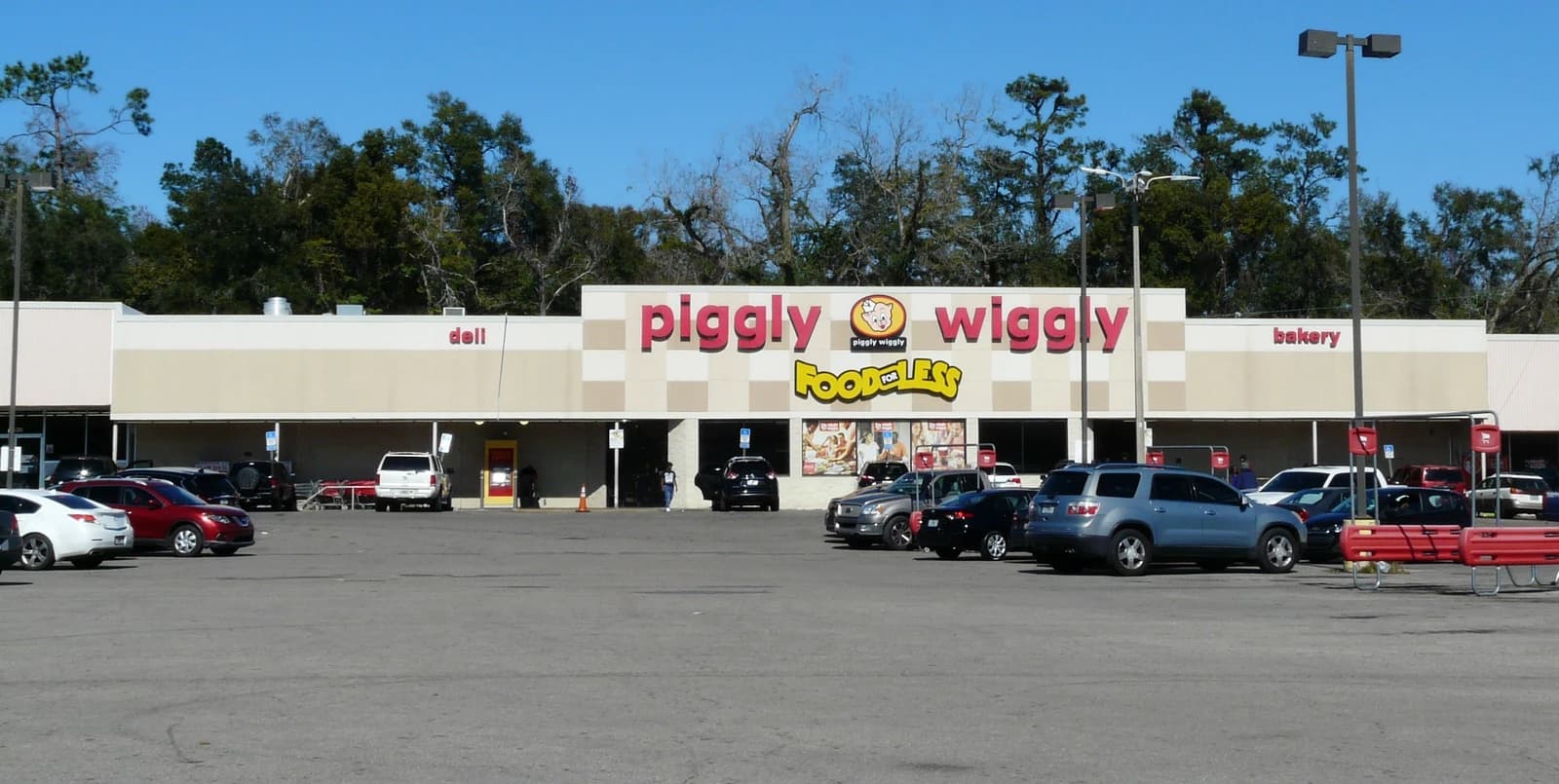
The implications extend beyond households. Consumer-facing companies have been warning that elevated expenses are constraining customers. Dollar General said shoppers continue to feel pressure from rent, healthcare, energy and fuel costs, while Walmart and Amazon have both flagged demand sensitivity to broader economic conditions and changing shopping habits. Weakness in discretionary categories is also showing up in relative performance: the consumer-discretionary ETF XLY slipped to 111.96 on Sept. 10 from 118.59 on Aug. 19, with its 14-day RSI falling to 33.6, a sign of softer momentum, even as staples ETF XLP held firmer at 83.09, supported by defensive buying.
For investors, the lesson is that “bad spending habits” and macro strain often look the same at the register. Households cutting Uber rides, takeout and impulse purchases can protect savings, but they also redirect revenue away from discretionary retailers, restaurants and consumer brands. That favors value retailers, staples and lenders tied to essential spending, while leaving premium consumer names more exposed if wage growth slows or rent and other fixed costs keep climbing.
The more durable narrative is not that consumers are irresponsible; it is that many are budgeting under persistent pressure. If labor markets stay stable and inflation continues to cool, households may gradually rebuild savings and discretionary spending. If not, the burden of everyday bills will keep forcing trade-offs, and the companies selling convenience and lifestyle will feel it first.
| Entity | Gains | Losses |
|---|---|---|
| Savers with discipline | ▲Build cash buffers | ▼Miss some convenience spending |
| Value retailers and staples | ▲Steadier demand | ▼Less upside from premium spend |
| Discretionary brands | ▲More cautious buyers | ▼Softer ticket sizes |
| Households under budget pressure | ▲Lower debt stress | ▼Fewer nonessential purchases |