Inflation easing to 3.4% gives the Federal Reserve room to stay patient, but it also sharpens the fight over who pays for the AI buildout now spreading across America’s power grid, data centers and industrial supply chain.
U.S. CPI eases as AI buildout strains power grid

That is the real market takeaway from July’s consumer price report: the hotter parts of the economy are no longer broad-based price pressures so much as concentrated capital spending. Core inflation is still running above the Fed’s comfort zone, but with headline CPI up just 0.1% on the month and the annual pace slowing to 3.4%, the central bank has less reason to tighten further even as artificial intelligence drives a fresh wave of investment in compute, electricity and real estate.
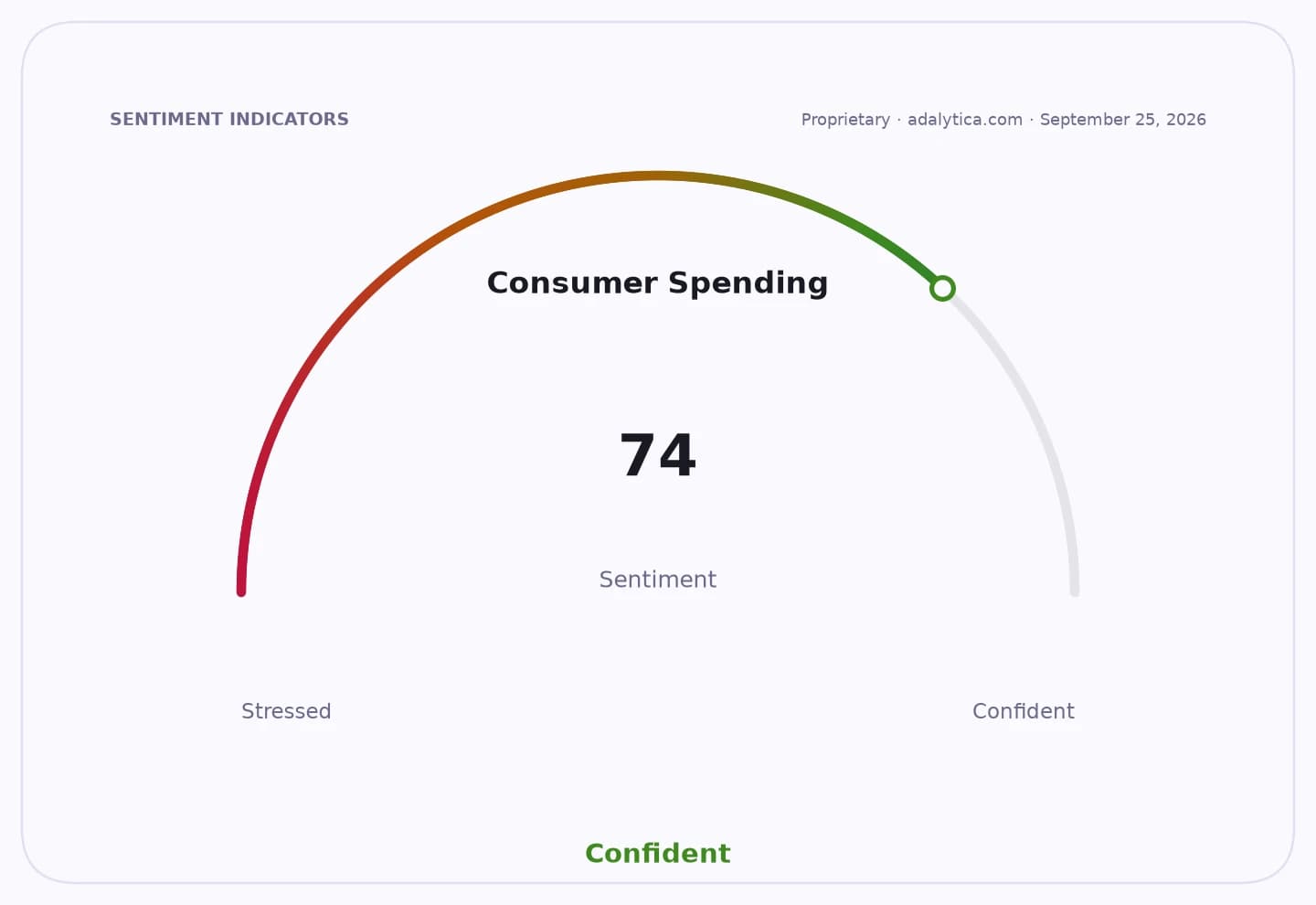
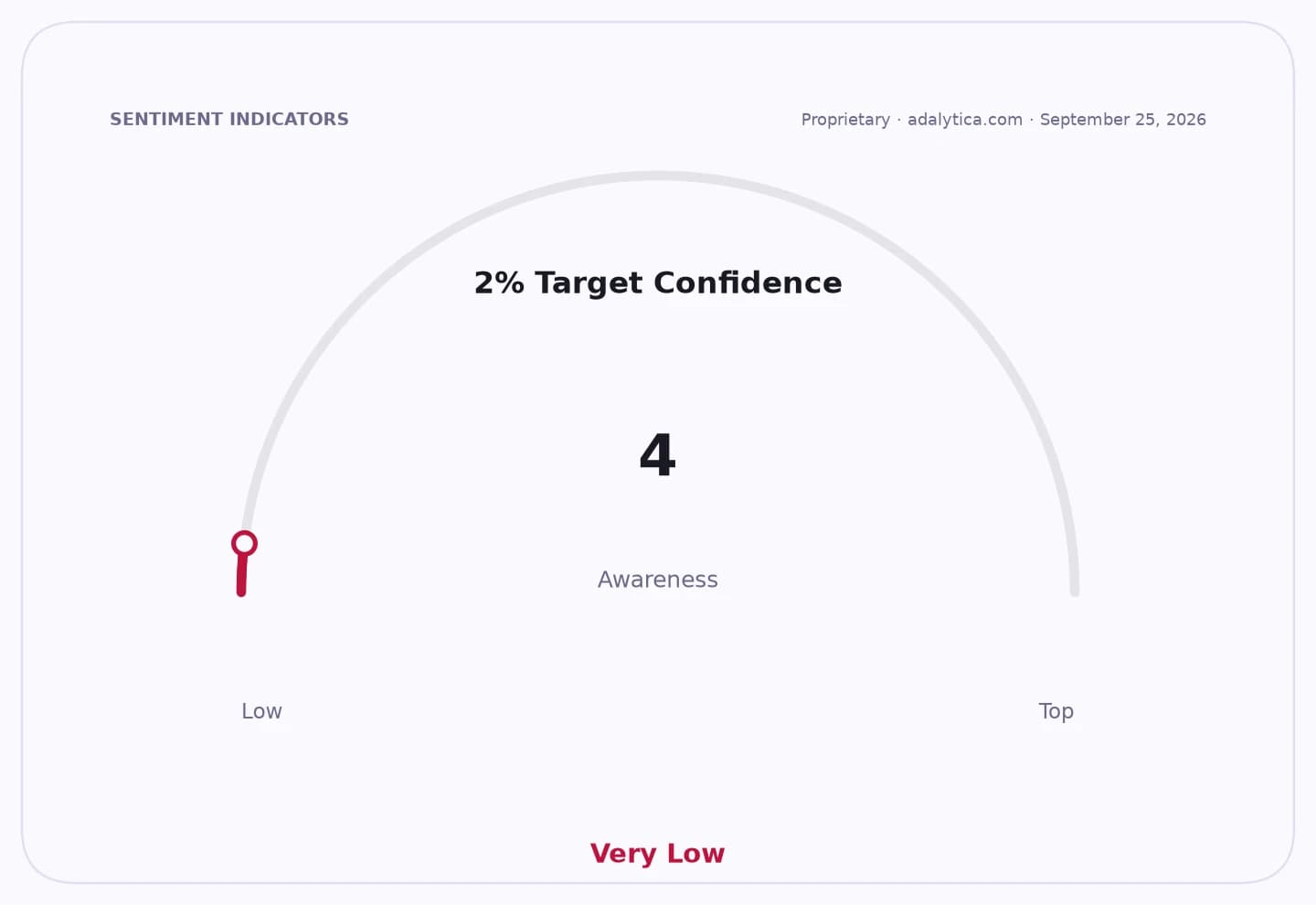
Sentiment IndicatorsⓘProprietary · adalytica.com · August 19, 2026
This is a snapshot — live sentiment, awareness and momentum for 130+ markets update continuously in the dashboard.Open AlphaPulse

For investors, that is a powerful mix. Lower inflation supports equity valuations, particularly for growth stocks and long-duration assets such as technology and infrastructure. It also reduces the odds of another rate hike, a shift that helped push the S&P 500 to a record high and lifted tech shares in Asia. The 10-year Treasury yield, at about 4.7%, still leaves financing expensive, but the direction of travel is friendlier for capital-intensive winners that can fund multi-year expansion.
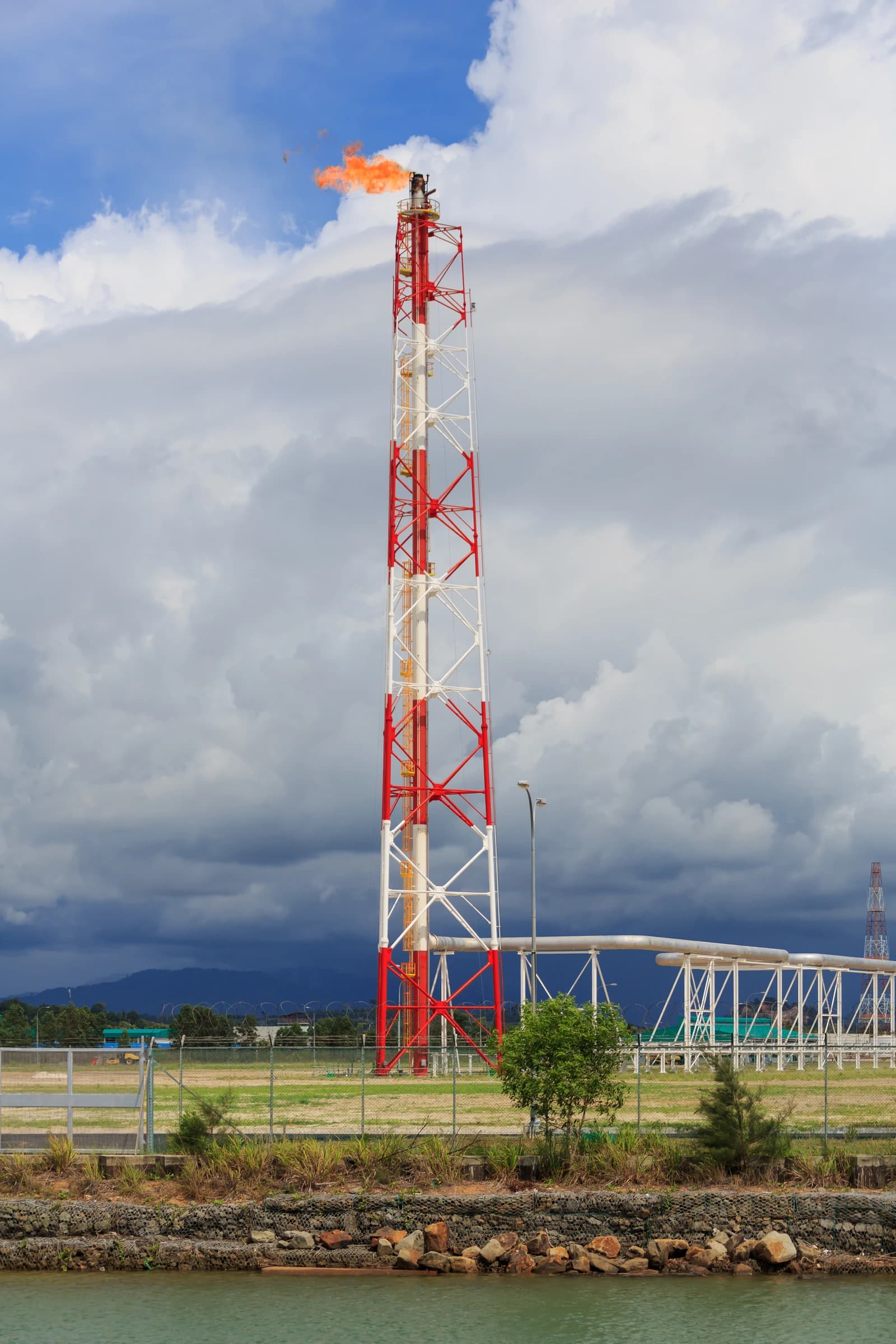
The AI story is now colliding with a hard economic constraint: power. Microsoft’s latest filings warn that electricity generation, transmission and distribution systems are under increasing strain, while Alphabet has been pouring money into servers, network gear and data center construction. That tells you this is no longer just a software trade. The next phase of the AI boom is a physical buildout, and the beneficiaries are the picks-and-shovels names tied to energy, chips, cooling, networking and industrial infrastructure.

That is why the market should pay attention to companies such as Microsoft, Alphabet and other hyperscalers on one side, and data-center landlords, utility suppliers and grid equipment makers on the other. Equinix has already flagged volatility around AI-related investment and supply-chain constraints, underscoring how quickly enthusiasm can turn into bottlenecks. If demand keeps outrunning power and permitting, the winners will be the firms that own scarce capacity, not just the firms that consume it.
The macro setup is unusually constructive for that trade. Softer inflation reduces pressure on discount rates, while AI capex remains one of the few secular spending cycles still accelerating. In plain terms, the Fed may be done hiking just as the AI economy is gearing up for a larger, more capital-intensive phase. That is the kind of backdrop that can extend the leadership of the technology sector and broaden it into utilities, industrials and infrastructure over the next several quarters.
My view is simple: the market underestimates how inflation relief and AI infrastructure spending can coexist. If the CPI trend holds and the Fed pauses, investors should keep leaning into the full AI supply chain — not just the model builders, but the companies selling power, memory, networking, data-center capacity and grid upgrades. That is where the asymmetric upside still sits.
| Entity | Gains | Losses |
|---|---|---|
| Tech stocks | ▲Lower discount rates | ▼Less fear of more Fed hikes |
| Hyperscalers | ▲More room for capex | ▼Higher power and buildout costs |
| Grid/utilities suppliers | ▲Surging demand | ▼Supply constraints |
| Bond bears | ▲Slower inflation breakout | ▼Softer rate-hike odds |