Americans are converging on a rare point of agreement in the AI debate: they want limits on the data centers driving the technology, and that emerging political consensus could slow the buildout behind the sector’s biggest capital boom.
US data center limits gain political support

A new AP-NORC poll shows 6 in 10 U.S. adults support restricting new data center construction, even as the industry is framed by its backers as critical to U.S. competitiveness. The concern is not ideological so much as practical. Households are weighing higher local power bills, water use and land consumption against the promise of jobs and innovation, and those trade-offs are becoming harder for politicians of both parties to ignore.
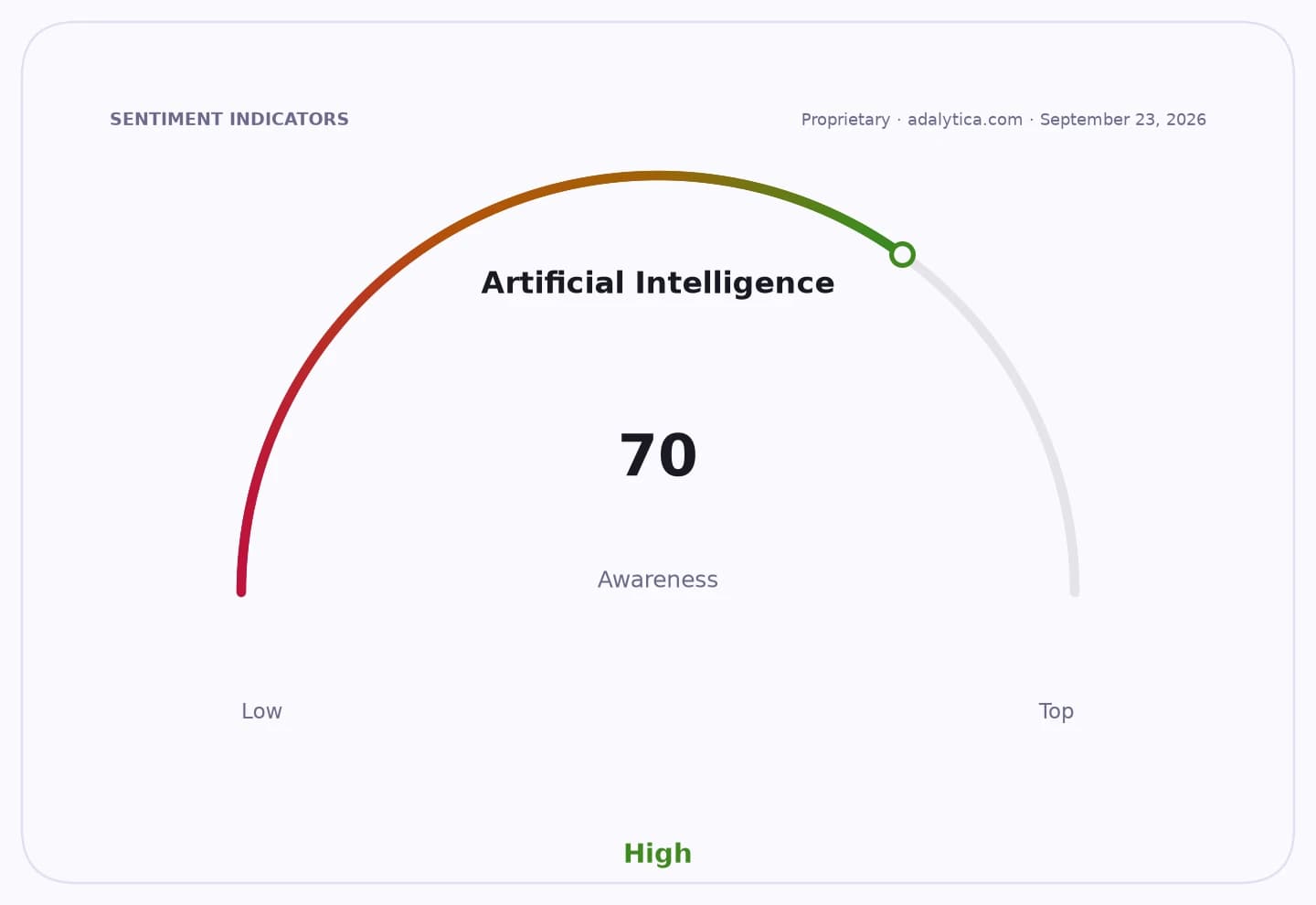
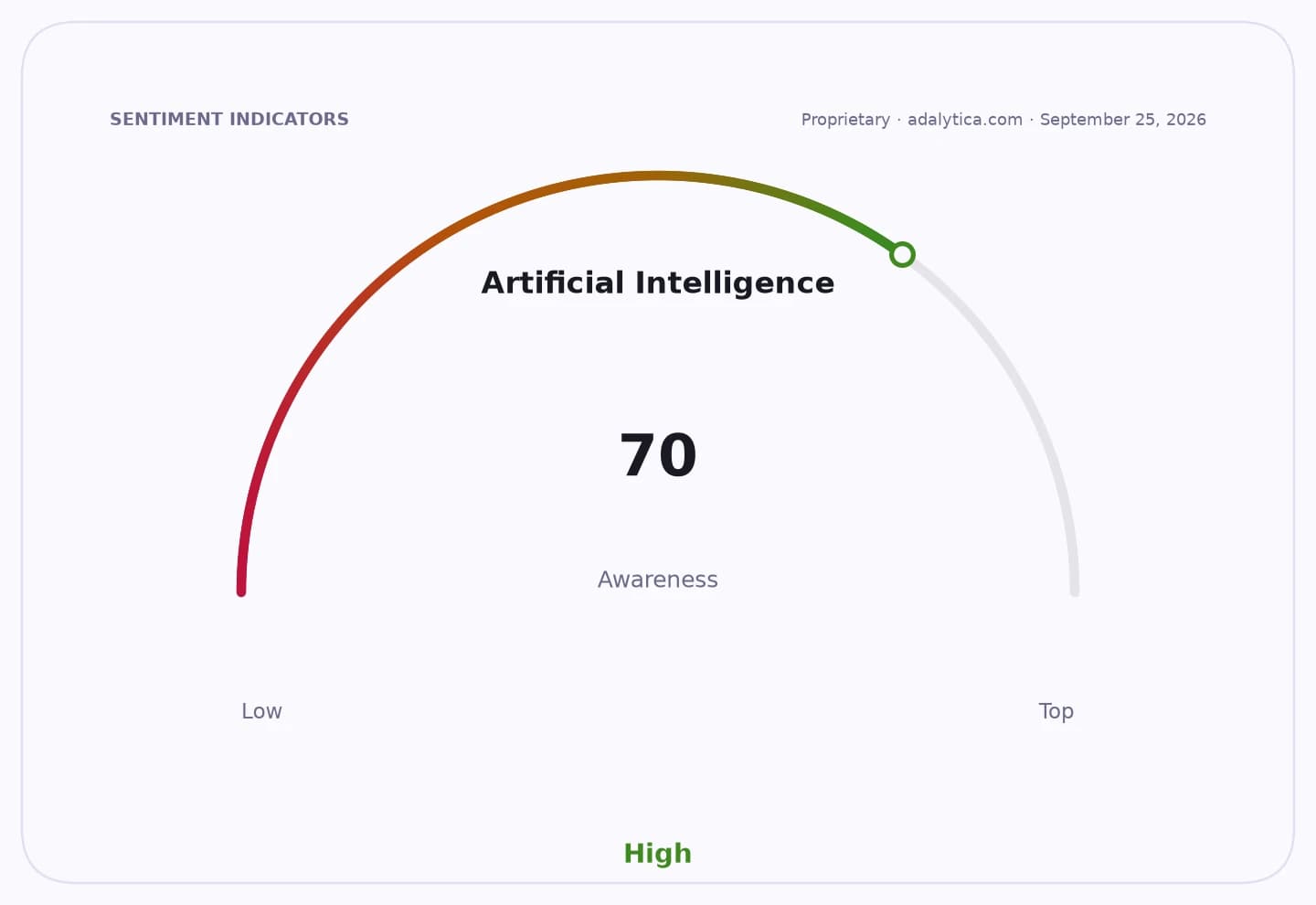
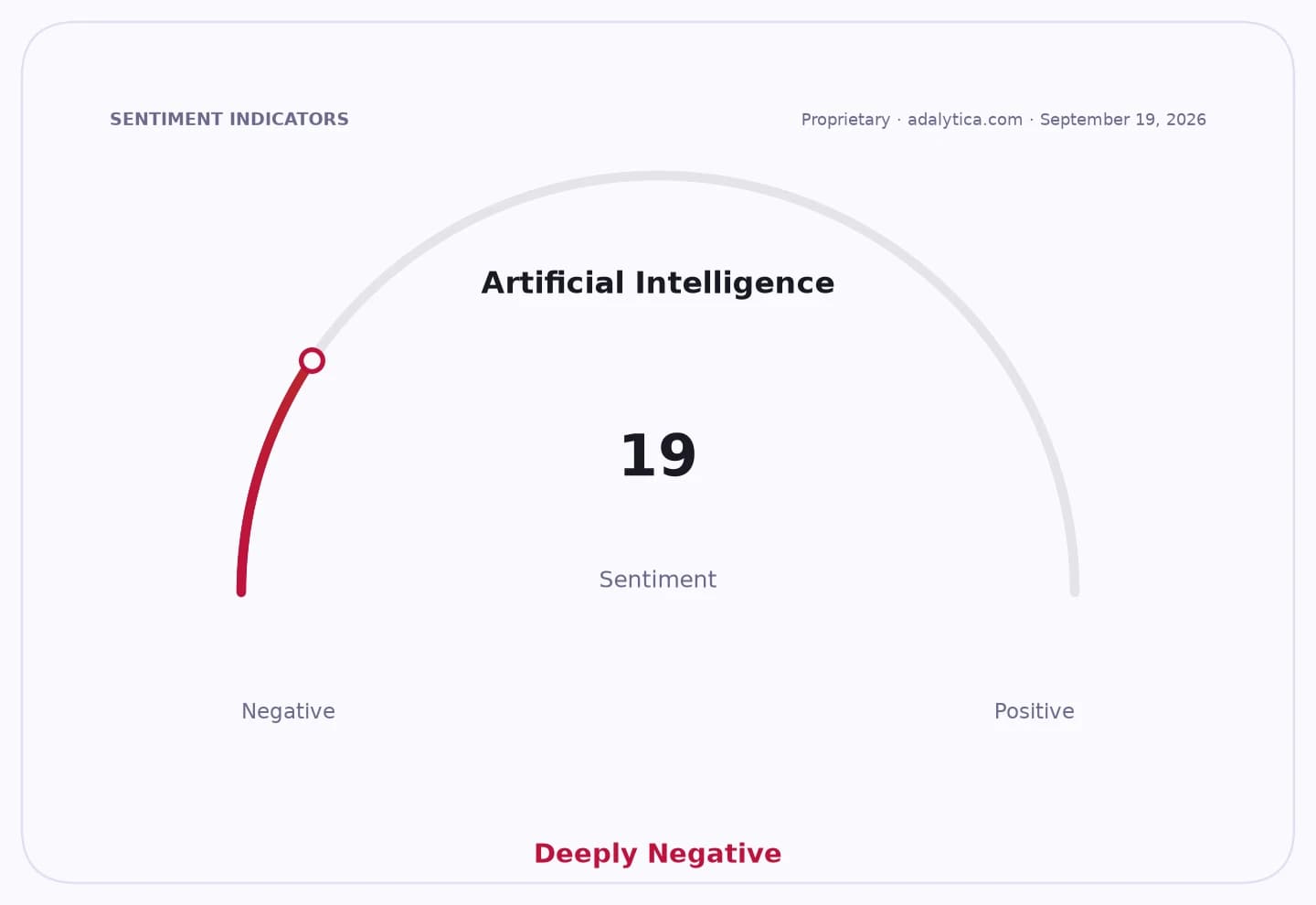
Sentiment IndicatorsⓘProprietary · adalytica.com · September 18, 2026
This is a snapshot — live sentiment, awareness and momentum for 130+ markets update continuously in the dashboard.Open AlphaPulse
The numbers point to a widening backlash. Fifty-three percent of Americans say they are extremely or very concerned about AI’s environmental effects, up from 41% last year. Roughly two-thirds of Democrats now express that level of concern, but about half of independents and 4 in 10 Republicans do too, underscoring that the issue is no longer confined to the left. About two-thirds also favor requiring data centers to use clean energy such as solar or wind, including 56% of Republicans.
That matters because data centers have become one of the most important physical bottlenecks in the AI boom. Developers are racing to secure power, land and permits, while utilities and regulators are facing pressure to accommodate a class of facilities that can rival cities in electricity demand. A Lawrence Berkeley National Laboratory estimate that data centers could consume 11.8% of U.S. electricity by 2030 helps explain why the issue is moving from a climate debate into a grid and rates debate.
For investors, the risk is not just a slower approval process. It is the possibility that the cost structure of AI infrastructure stays elevated for longer than bulls expect. Microsoft, Nvidia and Amazon all depend on a steady expansion of compute capacity, and filings from Microsoft and Meta have already flagged power constraints, delays in obtaining connections and regulatory hurdles as material risks. If local bans, moratoriums or stricter clean-energy requirements spread, the sector could face longer project timelines, higher capex and more pressure on returns.
The political response is already beginning to show up in local governments and Washington. Boston is considering a citywide ban proposal, while towns including Elgin, Clearfield and Salix are moving toward moratoriums or ordinance reviews. In Congress, a vote on the Ratepayer Protection Act would add another layer of scrutiny to how data-center energy demand is allocated and who ultimately pays for it.
The bull case is that the backlash will end up legitimizing the industry rather than stopping it, pushing developers toward cleaner power, better efficiency and more disciplined siting. The bear case is that permitting friction, grid limits and community resistance become a structural tax on AI growth just as companies are committing tens of billions of dollars to the buildout. Either way, the market is now confronting a simple fact: the AI trade is no longer just about chips and software, but about whether the physical infrastructure can be built fast enough, cheaply enough and with enough public support.
| Entity | Gains | Losses |
|---|---|---|
| Utilities and clean-energy providers | ▲Higher demand for power contracts | ▼More regulatory scrutiny |
| AI developers | ▲Longer-term license to operate if standards improve | ▼Slower permitting, higher costs |
| Local communities | ▲More leverage over siting and rates | ▼Missed investment in some areas |
| Nvidia, Microsoft, Amazon | ▲Continued compute demand | ▼Grid constraints and project delays |