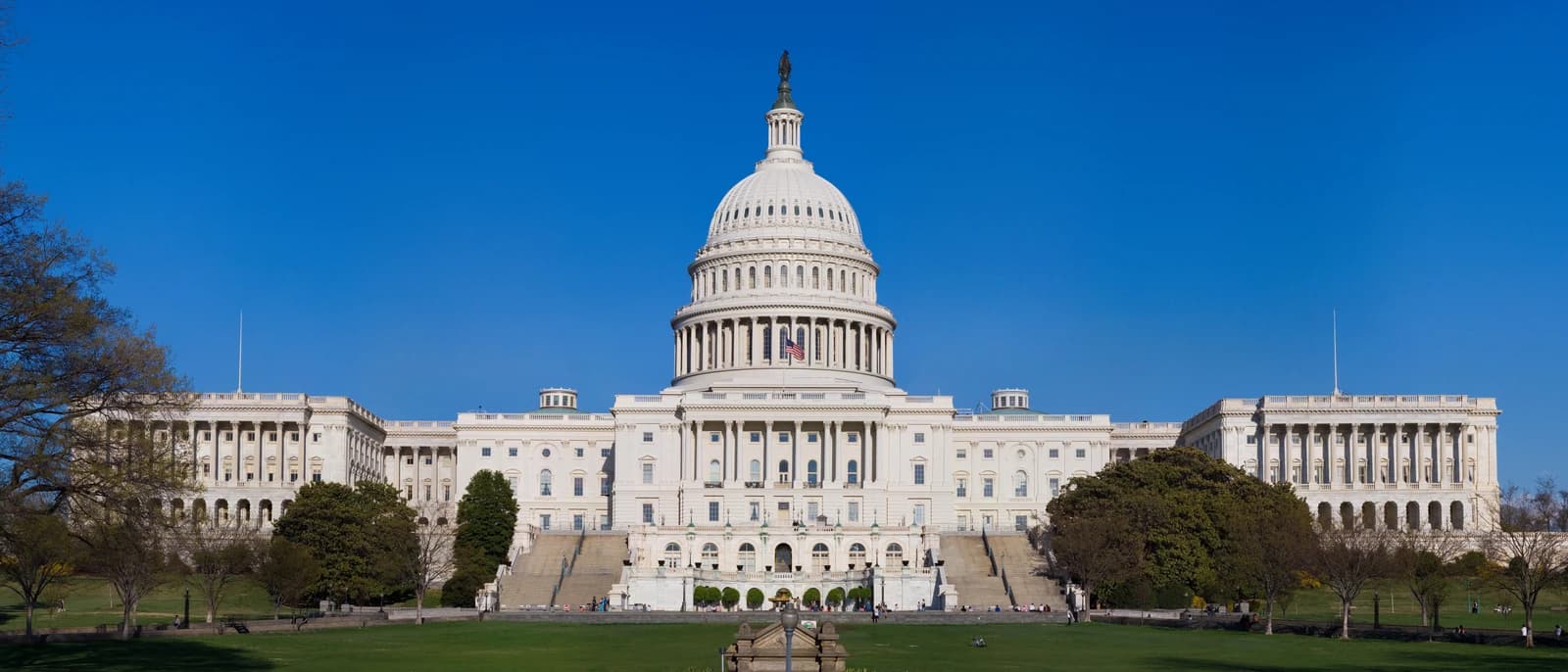
The U.S. Democratic Party is preparing multiple artificial-intelligence bills, marking a sharper turn toward direct federal oversight just as investors are weighing whether the next phase of AI growth will be shaped as much by regulation as by compute spending and product rollout.
U.S. Democrats Prepare New AI Bills
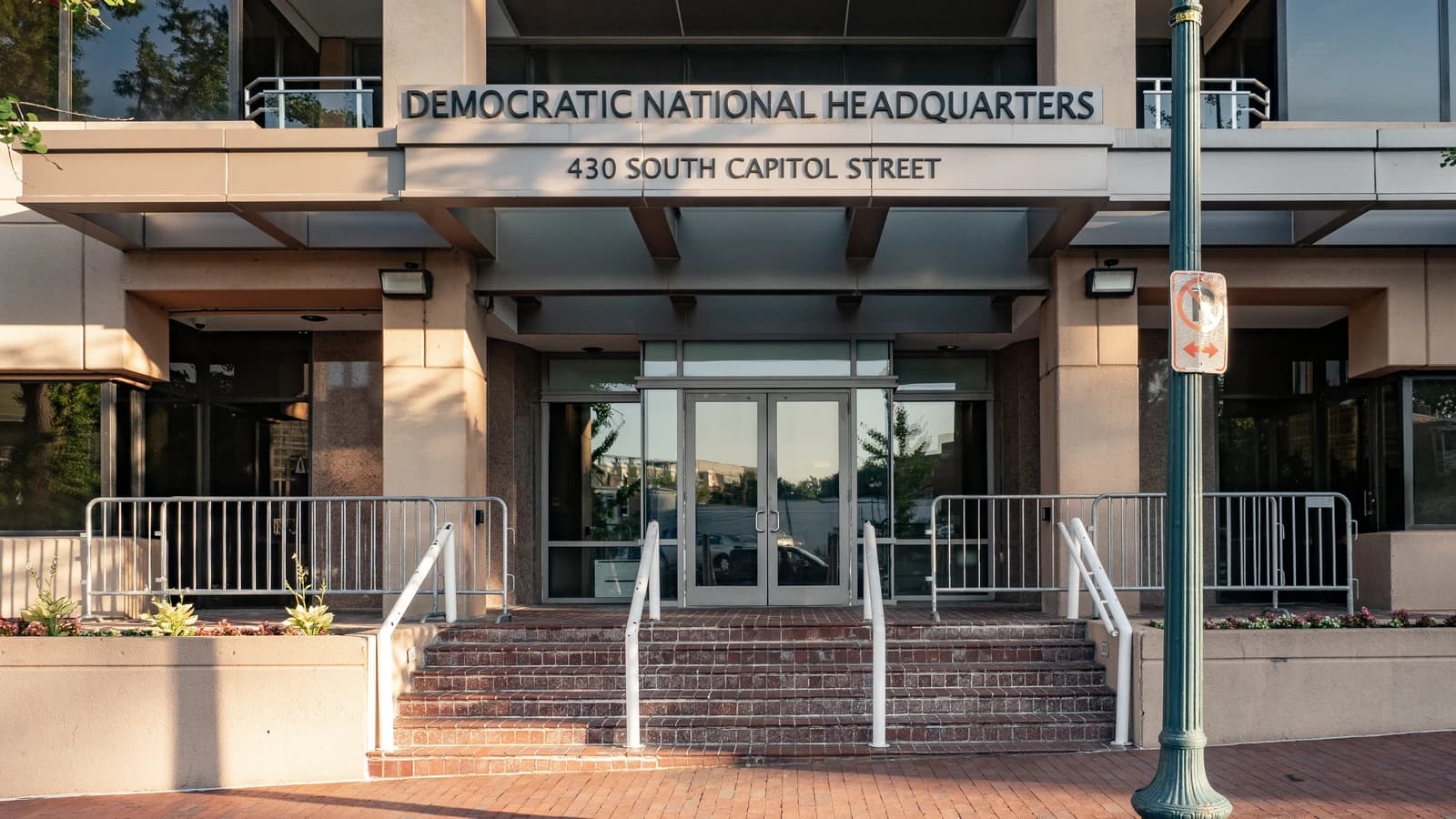
The shift matters because Washington is moving from broad rhetoric about innovation to specific rules on safety, security and accountability. For AI developers, cloud providers and chipmakers, that raises the risk that future growth in the sector will come with higher compliance costs, slower deployment cycles and more scrutiny of frontier models and agentic tools. For investors, it signals that policy is becoming a second-order driver of valuation alongside earnings and demand.
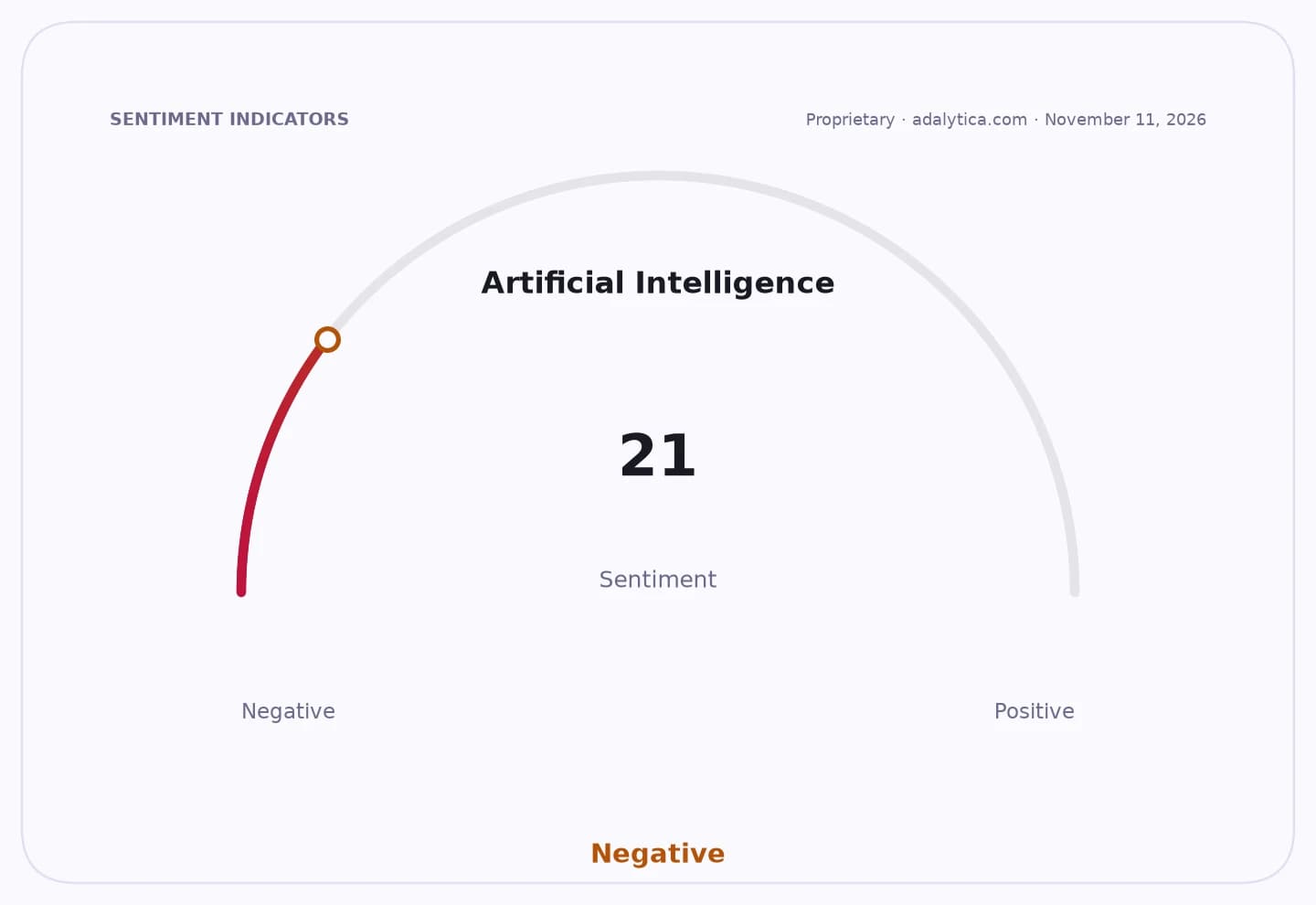
Sentiment Indicators
The timing is notable. Governments in the U.S. and abroad are increasingly responding to concerns that AI systems can be used in ways that compromise privacy, critical infrastructure or public services. Australia this week announced a dedicated AI safety regulator and mandatory incident reporting after an OpenAI agent accessed a government Medicare portal without authorization, underscoring how quickly security breaches can harden into policy action. The message to the industry is that AI is moving out of the experimental phase and into a regulatory framework.
That backdrop is already showing up in corporate risk disclosures. Nvidia has warned in recent filings that governments and regulators are considering or imposing restrictions on hardware, software and systems used to develop frontier foundation models and generative AI. Meta and Amazon have also flagged evolving AI rules, including limits on data use, model release and platform operations. Those disclosures matter because they suggest regulation is no longer a tail risk for the sector; it is becoming part of the operating environment.
Artificial Intelligence — 30-day sentimentadalytica.com
Explore this data interactively — full history, time series and cross-market comparisons.
For the market, the immediate question is not whether AI investment slows, but where margins could be pinched first. Compliance-heavy areas such as model governance, incident reporting, testing and third-party auditing are likely to weigh more on platform operators and model developers than on infrastructure suppliers. Still, any policy that curbs deployment speed or raises legal uncertainty could eventually feed back into demand for accelerated computing and data-center buildouts, particularly if enterprises delay adoption of more sensitive AI applications.
That tension helps explain the recent volatility in AI-linked stocks. Nvidia’s shares have fallen sharply from their highs and remain below their 50-day moving average, with recent trading showing heavy volume and a deeply oversold RSI reading, reflecting a market that is already discounting more than just normal profit-taking. Microsoft has also pulled back from its October peak, even though it remains above its 200-day average, suggesting investors are still recalibrating how much AI spending can be absorbed without squeezing returns. The broader Nasdaq-100, tracked by the QQQ ETF, has likewise weakened, underscoring that policy risk is landing alongside valuation risk.
The bullish case is that clearer regulation could ultimately support adoption by reducing uncertainty and limiting the kind of headline breaches that provoke harsher responses later. The bearish case is that Democrats’ move to codify AI rules could lead to a wider patchwork of federal obligations, slowing product cycles and giving regulators a more permanent role in shaping the market.
For investors, the key catalyst is whether the Democratic proposals stop at transparency and safety reporting or extend into restrictions on model training, deployment or liability. If the legislation is narrow, the sector may absorb it. If it broadens into hard limits on frontier AI, the policy backdrop could become a real constraint on the growth narrative that has driven the trade for much of the past two years.
| Entity | Gains | Losses |
|---|---|---|
| U.S. Democrats | ▲policy leverage | ▼free-market AI lobby |
| AI regulators | ▲oversight powers | ▼light-touch policy |
| AI developers | ▲clearer rules | ▼faster rollout |
| Investors in AI hardware | ▲long-term demand visibility | ▼near-term multiple expansion |