The dollar trimmed earlier gains on Friday as traders turned to next week’s US inflation data to decide whether strong August hiring is enough to keep the Federal Reserve on track for a September rate hike.
US dollar trims gains ahead of inflation data
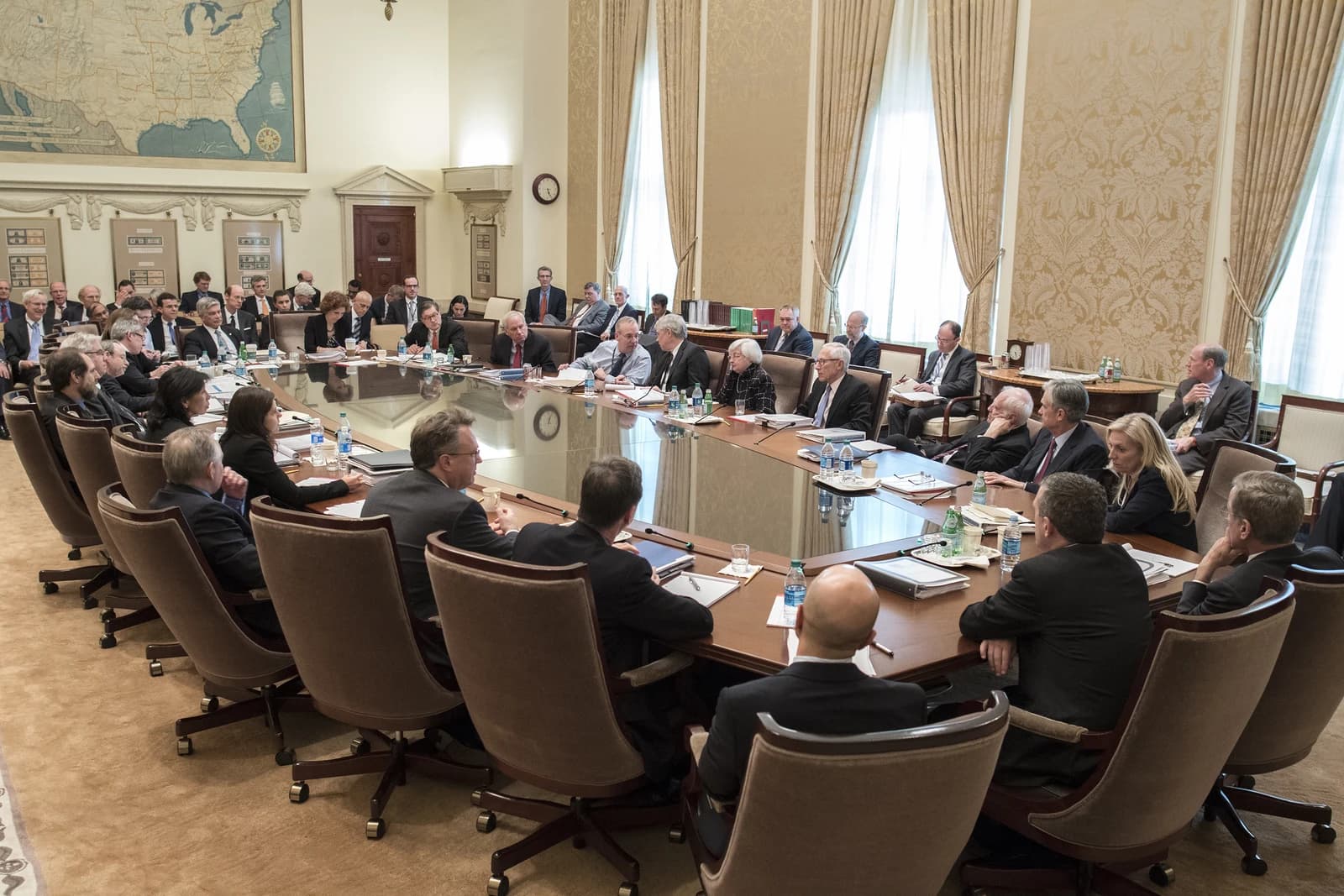
The move underscored how much the market is now hinging on the consumer-price report after payrolls showed employers added 162,000 jobs in August, far above expectations. The unemployment rate held at 4.1%, while annual wage growth slowed to 3.1% from 3.2%, reinforcing the view that the labor market remains resilient even as price pressures may be easing.
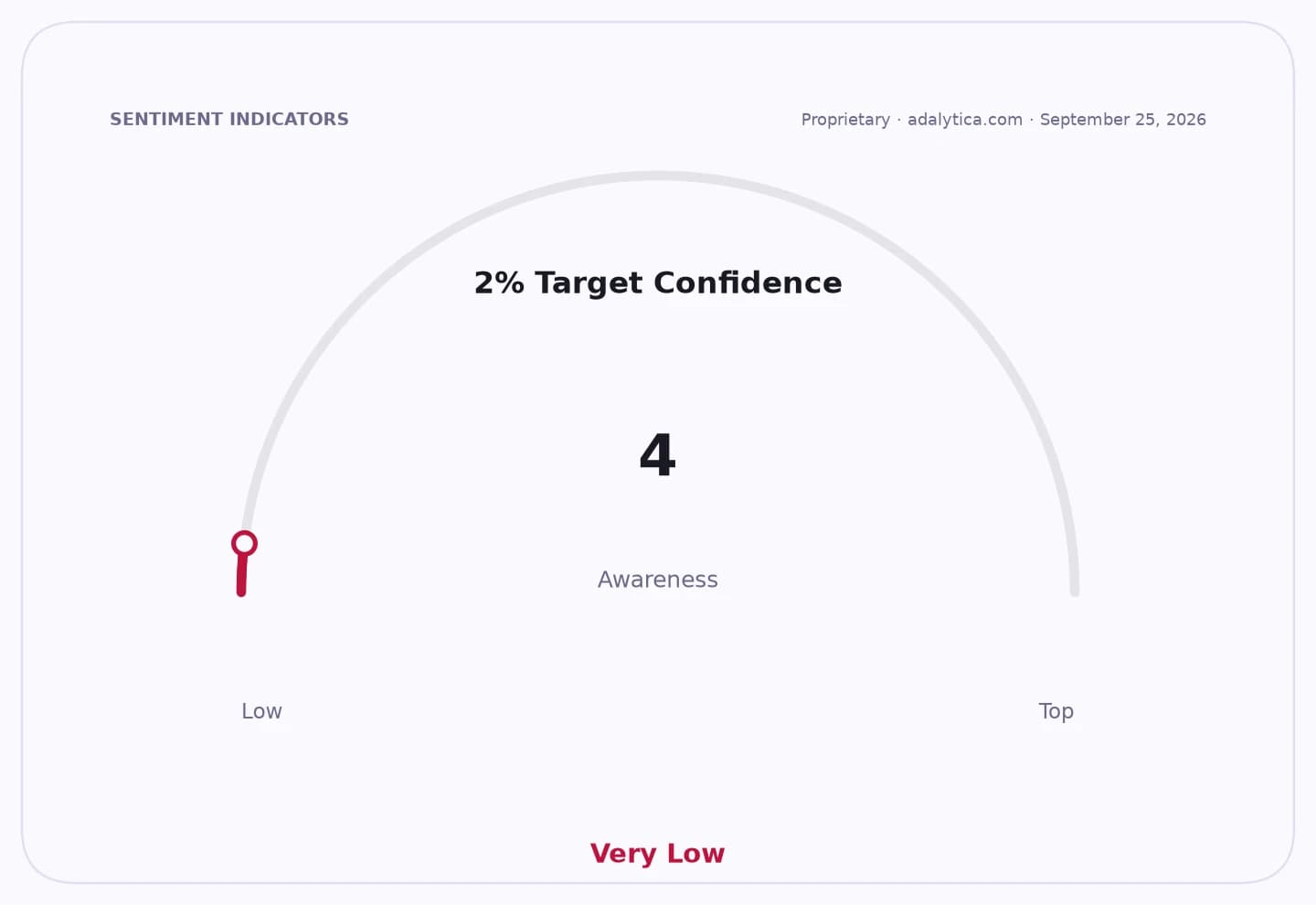
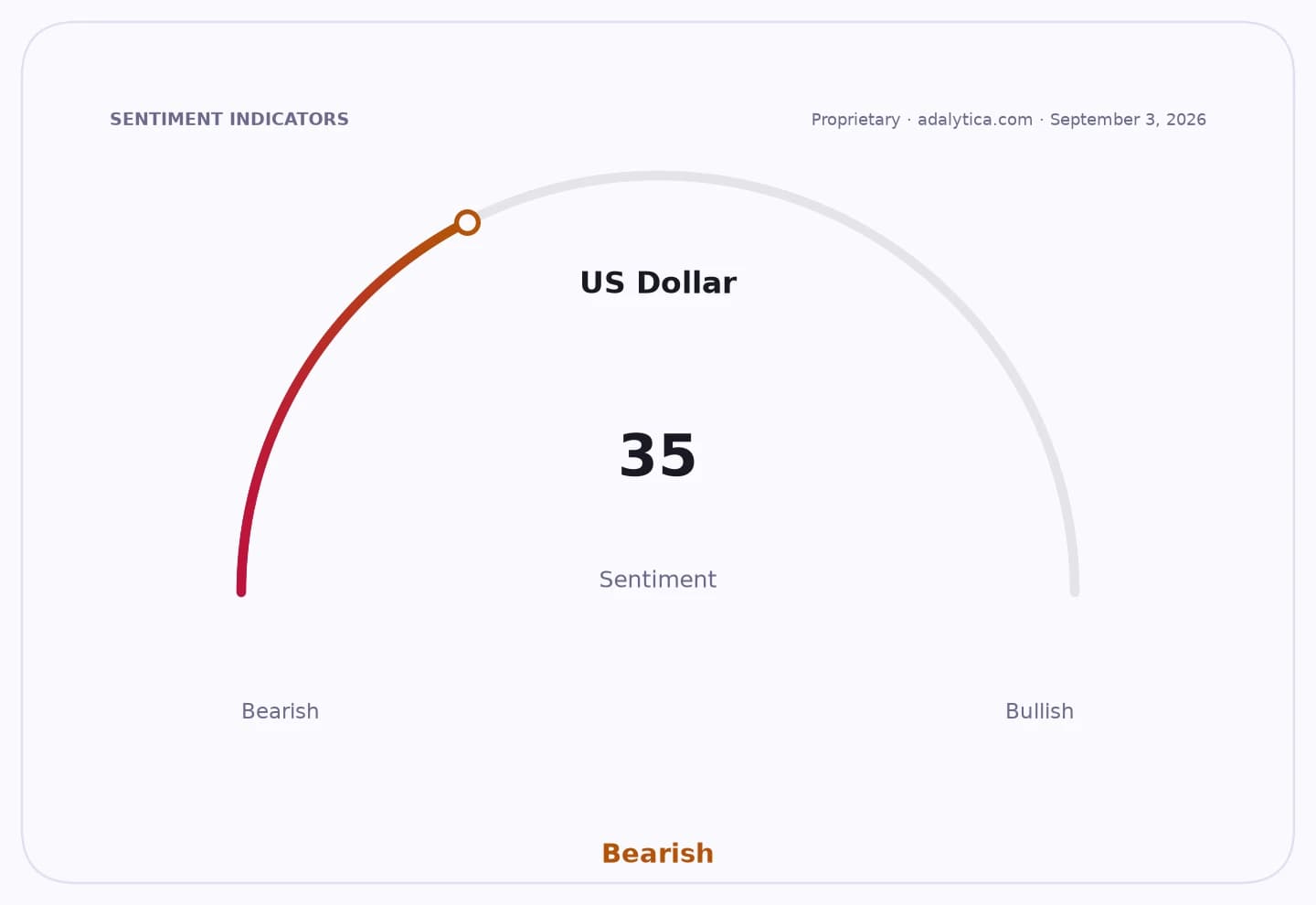
Sentiment IndicatorsⓘProprietary · adalytica.com · September 5, 2026
This is a snapshot — live sentiment, awareness and momentum for 130+ markets update continuously in the dashboard.Open AlphaPulse

That mix keeps the inflation readings on Thursday and Friday at the center of the policy debate. Fed funds futures now price a 57% chance of a September hike, up from 50% before the jobs numbers, but traders are still waiting for confirmation that underlying inflation is cooling enough to justify a pause.
Noel Dixon, chief macro strategist at State Street, said the jobs report “doesn’t change much” and that next week’s core inflation number will likely drive the next market move. Fed governor Christopher Waller said on Thursday he would lean toward keeping rates unchanged if upcoming data confirm a slowing in price pressures.
In currency markets, the dollar index rose 0.21% to 99.17 after giving back part of its earlier advance. The euro slipped 0.12% to $1.1611 and the dollar gained 0.26% to 156.19 yen, though the Japanese currency was still on track for its strongest week in months as investors bet the Bank of Japan may tighten policy faster than expected.
The dollar’s retreat from its highs suggests investors are not ready to fully price in a firmer Fed path until the inflation numbers land. For markets, a hotter-than-expected reading would likely extend dollar strength and pressure Treasuries, while a softer print could ease rate-hike bets and revive risk appetite heading into the September Fed meeting.
| Entity | Gains | Losses |
|---|---|---|
| US dollar bulls | ▲Fed-hike repricing | ▼If inflation cools |
| Treasury bears | ▲Hot inflation | ▼Softer CPI/PPI print |
| Fed hawks | ▲Sticky core prices | ▼Slower wage growth |
| Euro and yen | ▲Dollar pullback | ▼Stronger US inflation |