The US dollar slipped against the Canadian dollar as Treasury yields eased and gold climbed, reinforcing a familiar market pattern in which lower US rates and firmer commodity prices weigh on the greenback while supporting the loonie.
US dollar slips as Treasury yields ease

The move matters because it reflects a shift in the macro backdrop rather than a single-country story. The 10-year US yield was at 4.79% and the 2-year at 4.39% on Sept. 2, both only modestly above the prior session but still far enough below recent peaks to soften the dollar’s yield advantage. At the same time, gold advanced to $410.22 a share on GLD, extending a rally that has revived demand for commodity-linked currencies, including the Canadian dollar.
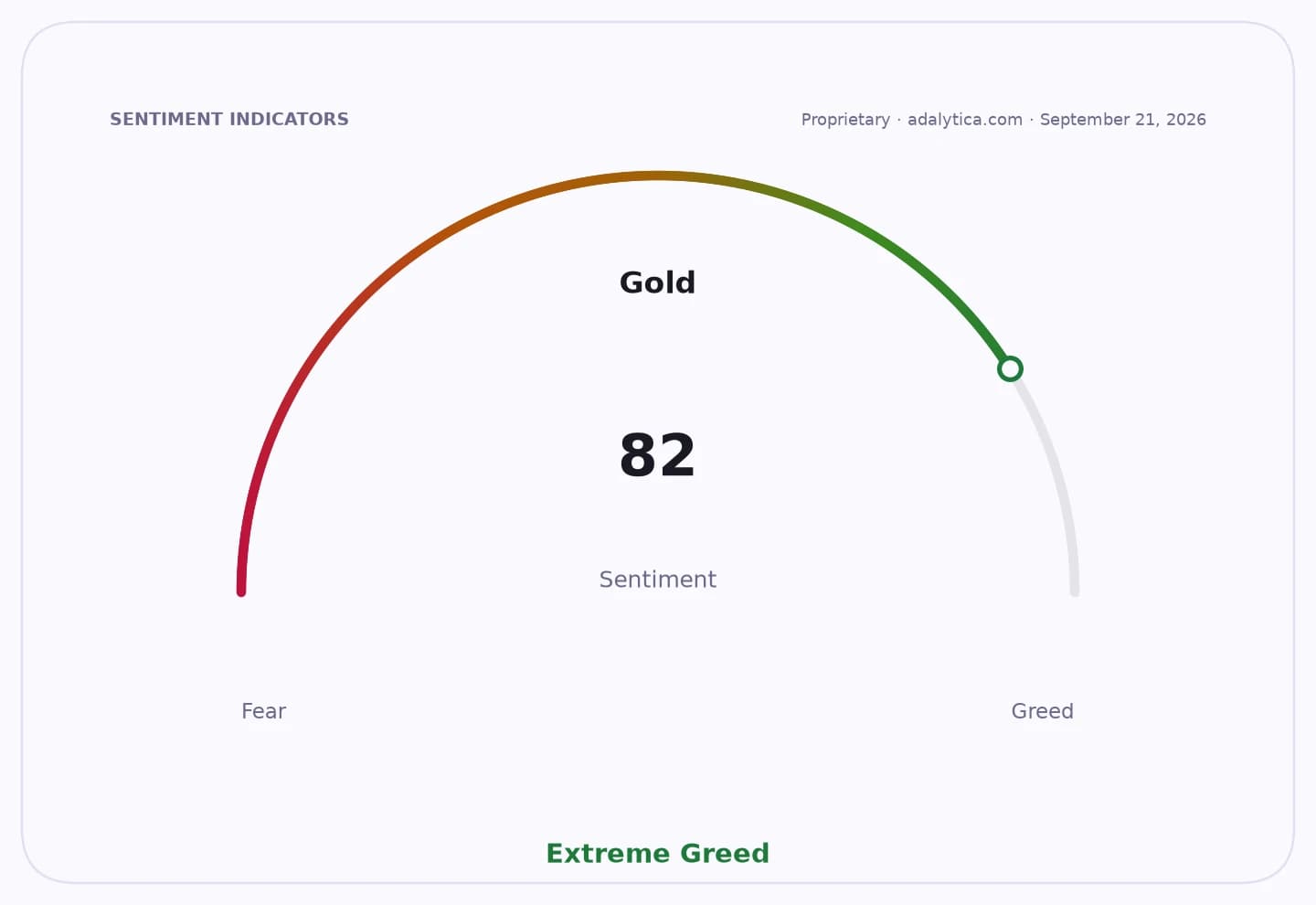
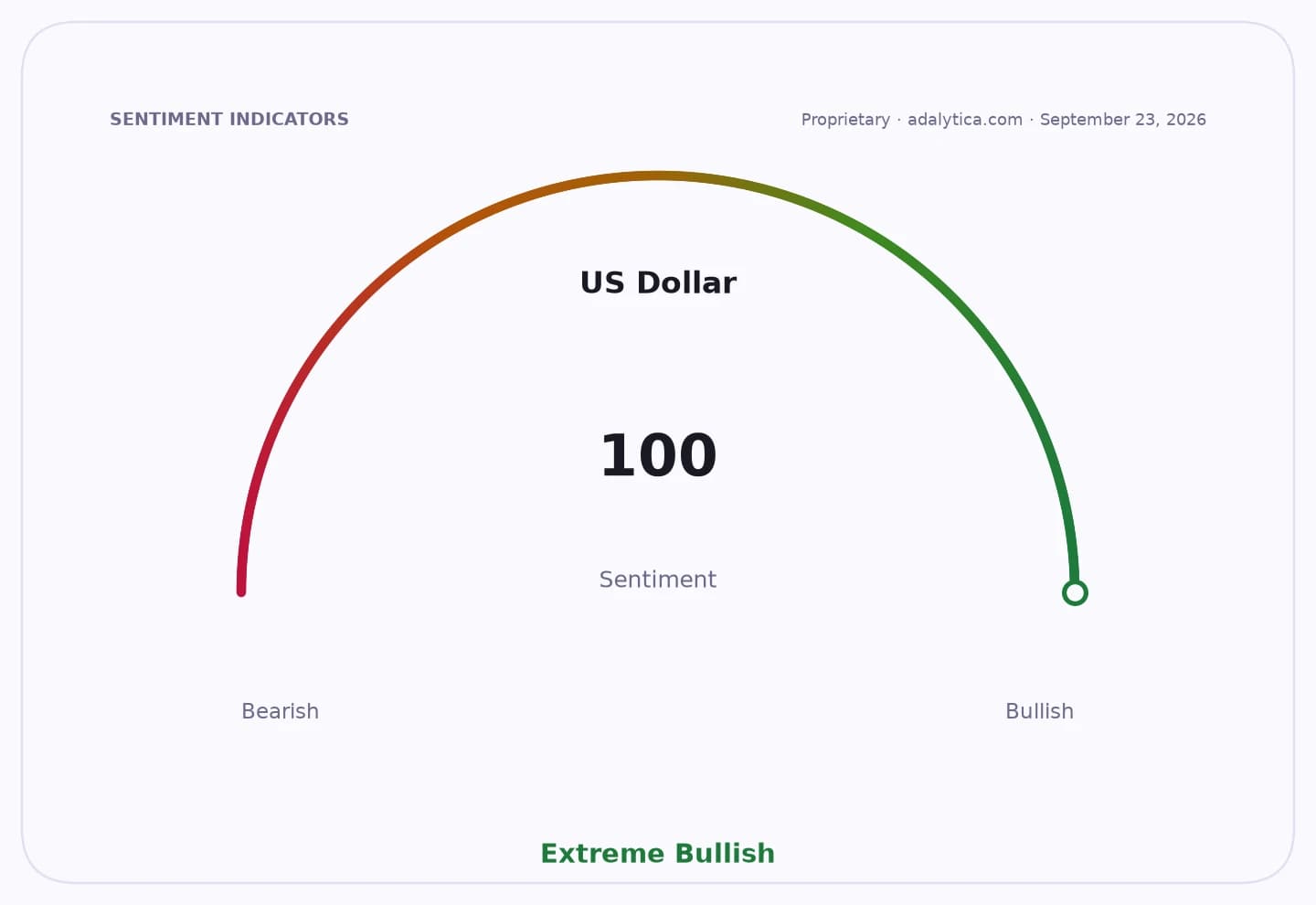
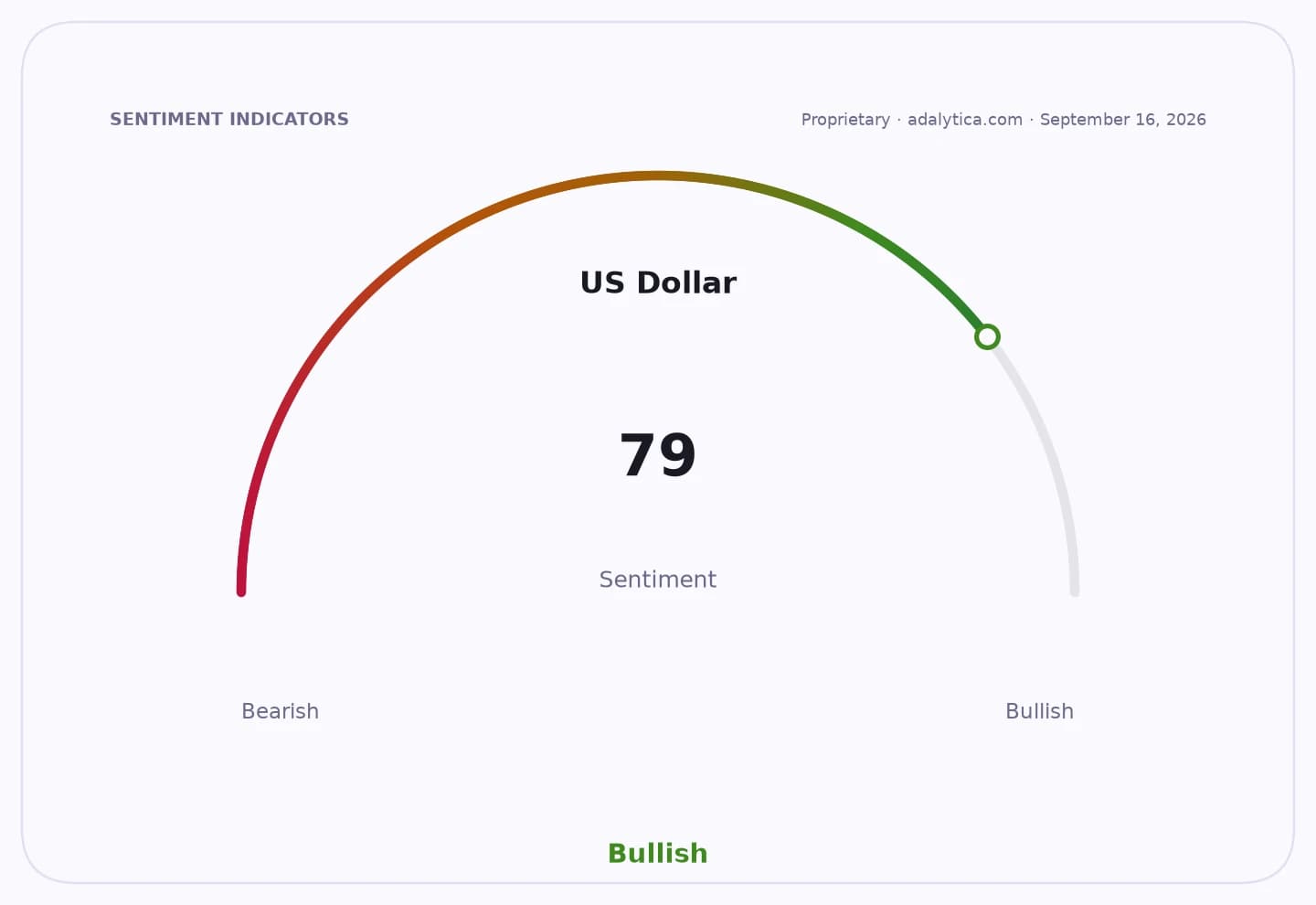
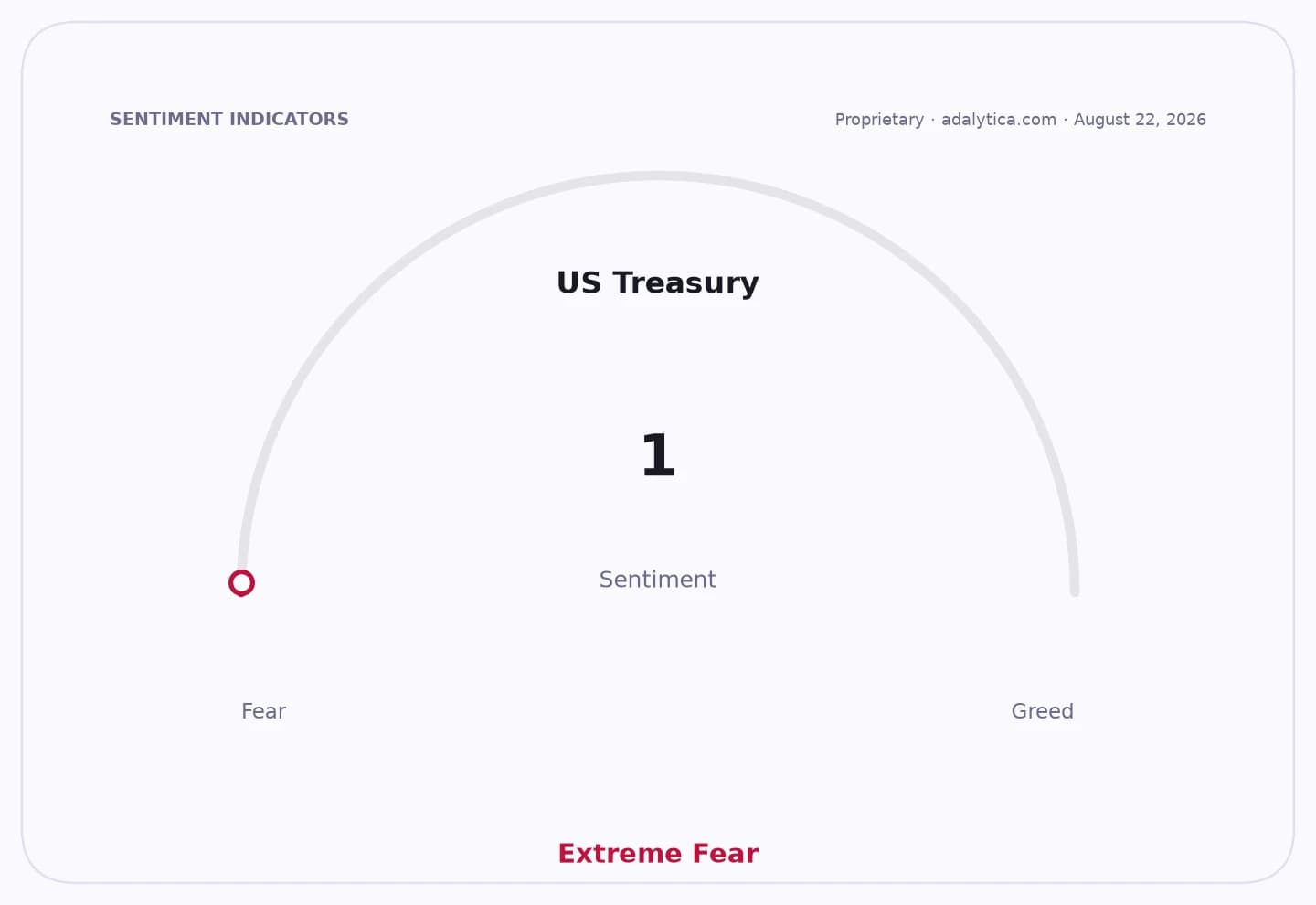
Sentiment IndicatorsⓘProprietary · adalytica.com · September 4, 2026
This is a snapshot — live sentiment, awareness and momentum for 130+ markets update continuously in the dashboard.Open AlphaPulse
For investors, that combination is important because Canada is more leveraged than most developed markets to the direction of raw materials, especially energy and metals, while the US dollar tends to benefit when real yields rise and risk appetite fades. With WTI crude at $91.48 a barrel in the latest data and gold firming, the loonie is getting support from both sides of the commodity complex, even as the dollar index proxy UUP eased to $28.01 from $28.17 a day earlier.
The technical picture also points to a less aggressive dollar bid. UUP, which tracks the dollar against a basket of major currencies, has slipped back below its 50-day moving average of $28.25 and its 200-day average of $27.62 is no longer far below current levels, suggesting the recent advance has stalled. Its RSI reading of 45.1 indicates neither an overbought nor oversold market, leaving room for a further drift rather than a decisive trend reversal. By contrast, FXC, the currency fund tied to the Canadian dollar, rose to 70.86 from 70.72 and remains above both its 50-day and 200-day moving averages, a sign that the loonie’s relative strength is intact.
The broader narrative is a market balancing act between still-elevated US rates and a turn in commodity sentiment. A firm oil market usually helps Canada’s terms of trade, while higher gold prices often coincide with a softer dollar and lower real yields. Adalytica’s US dollar trade signals remained neutral at 57, but the month-on-month move was still down 43 points, underscoring how quickly the greenback’s momentum has cooled.
For currency investors, the next test is whether easing yields continue to outrun any renewed safe-haven demand for dollars. If Treasury yields keep drifting lower and gold holds its bid, the loonie could stay supported. If yields reverse higher or oil fades, the dollar’s advantage could quickly reassert itself.
| Entity | Gains | Losses |
|---|---|---|
| Canadian dollar | ▲Commodity support | ▼Dollar strength |
| US dollar | ▲Higher yields | ▼Softer real rates |
| Gold | ▲Lower yields | ▼Stronger dollar |
| Canadian exporters | ▲Pricier receipts | ▼Higher local currency |