US factory activity accelerated in July to its strongest level in more than four years, as the artificial-intelligence buildout continues to pull through demand for industrial goods, electrical equipment and semiconductors even as producers face stubborn cost pressures.
U.S. Factory Activity Jumps in July on AI Demand

The data point matters because it suggests the manufacturing slump that defined much of the post-pandemic period is giving way to a more durable investment cycle, at least in pockets tied to AI infrastructure. That is economically significant for a sector that has spent years lagging services and wrestling with higher borrowing costs, uneven global demand and supply-chain disruptions. For investors, it reinforces the market’s current leadership in industrials, chipmakers and power-related names, while also highlighting that inflationary pressures have not disappeared.
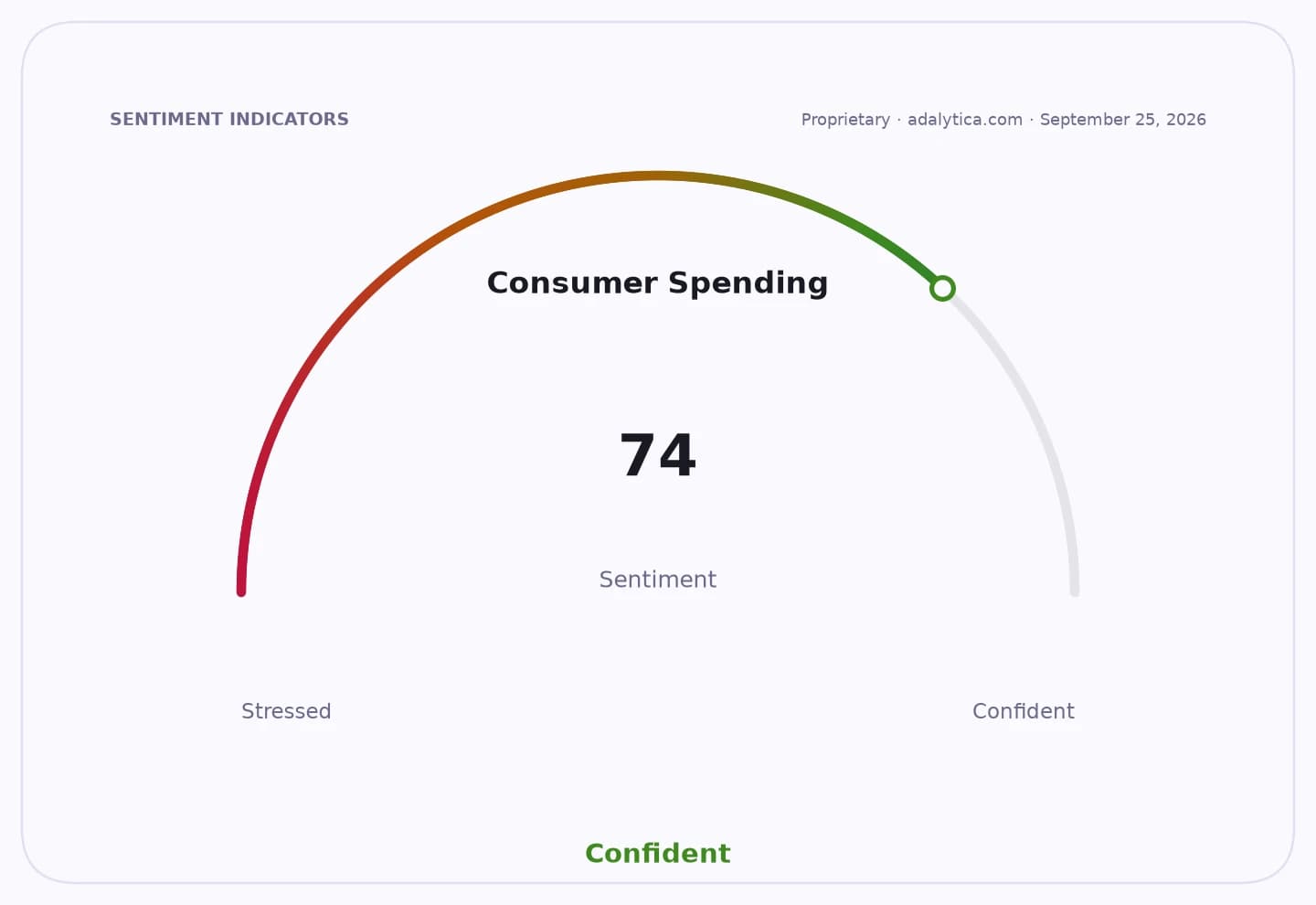
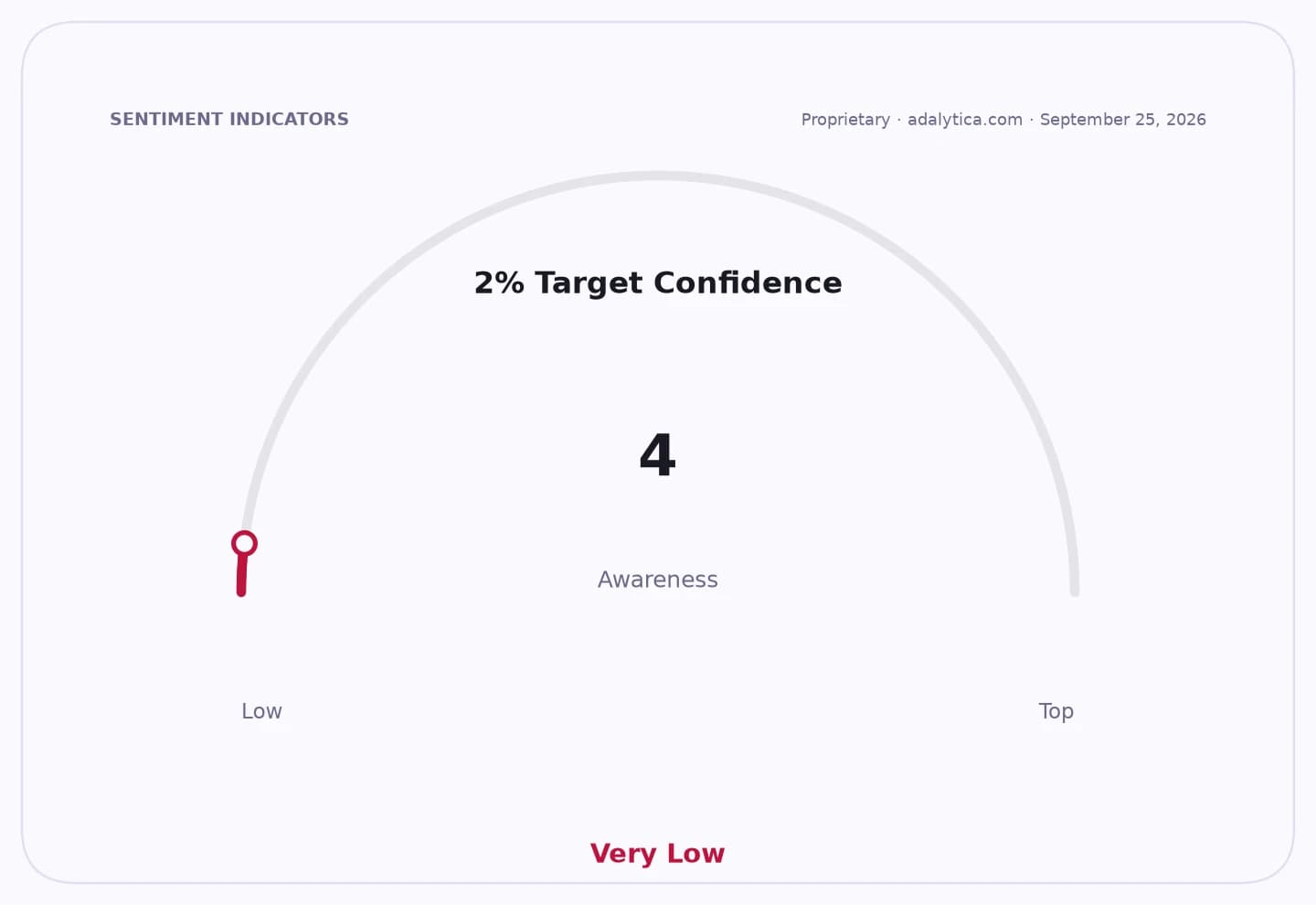
Sentiment IndicatorsⓘProprietary · adalytica.com · August 4, 2026
This is a snapshot — live sentiment, awareness and momentum for 130+ markets update continuously in the dashboard.Open AlphaPulse
Industrial production is forecast to rise 0.3% in July to 102.94, according to the supplied data, which would leave output at the highest level since early 2022 and underscore a steady climb from the spring. Producer prices, meanwhile, are projected to jump 3.14% in July after a 1.26% decline in June, pointing to a business environment where output is rising alongside firmer pricing. That combination is important: it signals real demand, but also hints at margin pressure and the possibility that the AI investment boom is feeding through to higher costs across the industrial supply chain.
The market has already been reading the message in industrial equities. The XLI industrials ETF has climbed to 179.84 from 146.55 in November, while its 200-day moving average has turned higher, a sign of a broader uptrend. Semiconductors have been even more volatile. SOXX and SMH both surged sharply earlier in the year on AI spending, then sold off hard in late July, leaving both below recent highs and with weak relative-strength readings. That move suggests investors still believe in the capex story, but are increasingly sensitive to valuation, execution risk and the risk that spending becomes concentrated among a few large buyers.
The same tension is visible in corporate disclosures. Microsoft, Amazon and Alphabet have all pointed to heavy infrastructure spending, power constraints and shortages of critical components in data-center buildouts. AMD has warned that delays in data-center construction could slow growth, while Canva’s cut to its revenue forecast shows that not every AI deployment pays off quickly. In other words, the AI manufacturing boom is broadening demand for factories and equipment, but the payoff is uneven and the cost of scale is rising.
That makes July’s manufacturing strength a double-edged signal. On the bullish side, it supports the view that AI-linked capital spending is becoming a macro driver, not just a tech-sector theme. On the bearish side, it also raises the odds that firms will need to absorb higher input prices, tighter margins and potentially more volatile ordering patterns if the spending cycle cools. The next test is whether the July strength shows up in broader industrial data, and whether the pricing pressure starts to spill into core inflation measures.
| Entity | Gains | Losses |
|---|---|---|
| Industrials | ▲Higher factory output | ▼Higher input costs |
| Chipmakers | ▲AI infrastructure demand | ▼Post-rally volatility |
| AI hyperscalers | ▲Faster capacity buildout | ▼Power and equipment bottlenecks |
| Consumers / Fed | ▲More supply investment | ▼Persistent producer-price pressure |