Industrial production is still expanding, giving the U.S. economy a firmer manufacturing base even as job openings in the sector cool from prior highs.
U.S. Industrial Production June 102.64, July Seen at 102.94

The latest reading shows industrial production at 102.64 in June, up 0.08% from May and 3.22% above April, with July forecast to edge higher to 102.94. The steady gains suggest factories, utilities and miners are continuing to add output rather than slipping back into contraction, a welcome sign for growth and inflation-sensitive supply chains.
Sentiment IndicatorsⓘProprietary · adalytica.com · August 3, 2026
This is a snapshot — live sentiment, awareness and momentum for 130+ markets update continuously in the dashboard.Open AlphaPulse
The forward-looking implication is that manufacturing momentum is not breaking down despite a slower labor backdrop. Job openings in the industrials-linked JOLTS series rose to 7,594 in May from 7,585 in April, but remain far below the 2022 peak above 12,300, underscoring that demand is holding up without reigniting the kind of labor overheating that forced the Fed to tighten aggressively.
That mix matters for markets because it points to a more durable, but not frothy, industrial cycle. A stable production trend can support revenue for heavy-equipment makers, chemicals companies, transportation groups and diversified industrials, while also keeping pressure on capacity, pricing and capital spending plans if activity continues to firm.
Exchange-traded funds tied to the industrial and materials sectors have reflected that backdrop. The Industrial Select Sector SPDR Fund, XLI, recently traded at $179.84, above its 50-day moving average of $178.26 and 200-day average of $166.57, while the Materials Select Sector SPDR Fund, XLB, closed at $50.43, essentially in line with its 50-day average of $50.99. The Transportation ETF, IYT, ended at $84.89, below its 50-day average of $85.86, showing investors are still treating parts of the cycle differently.
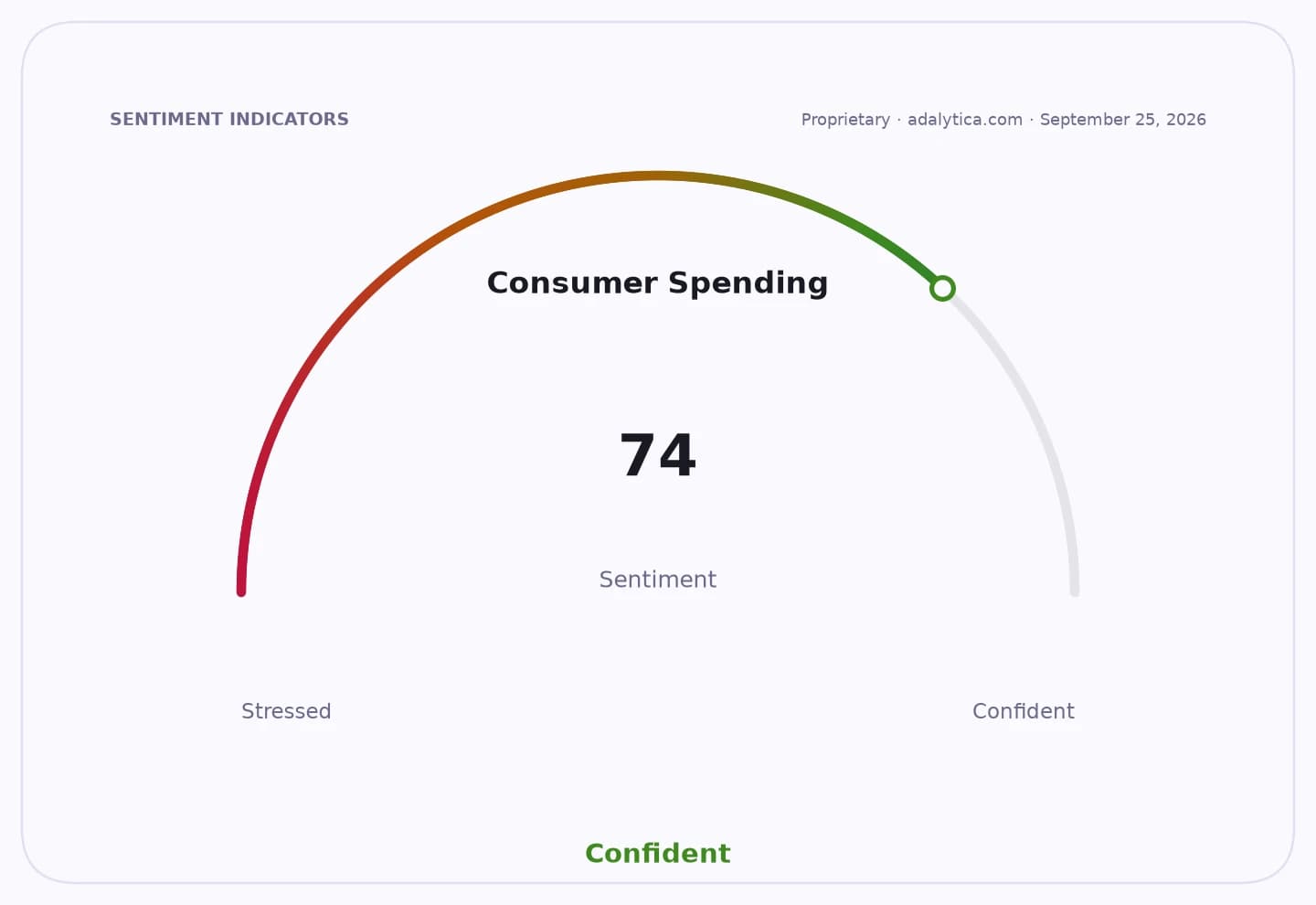
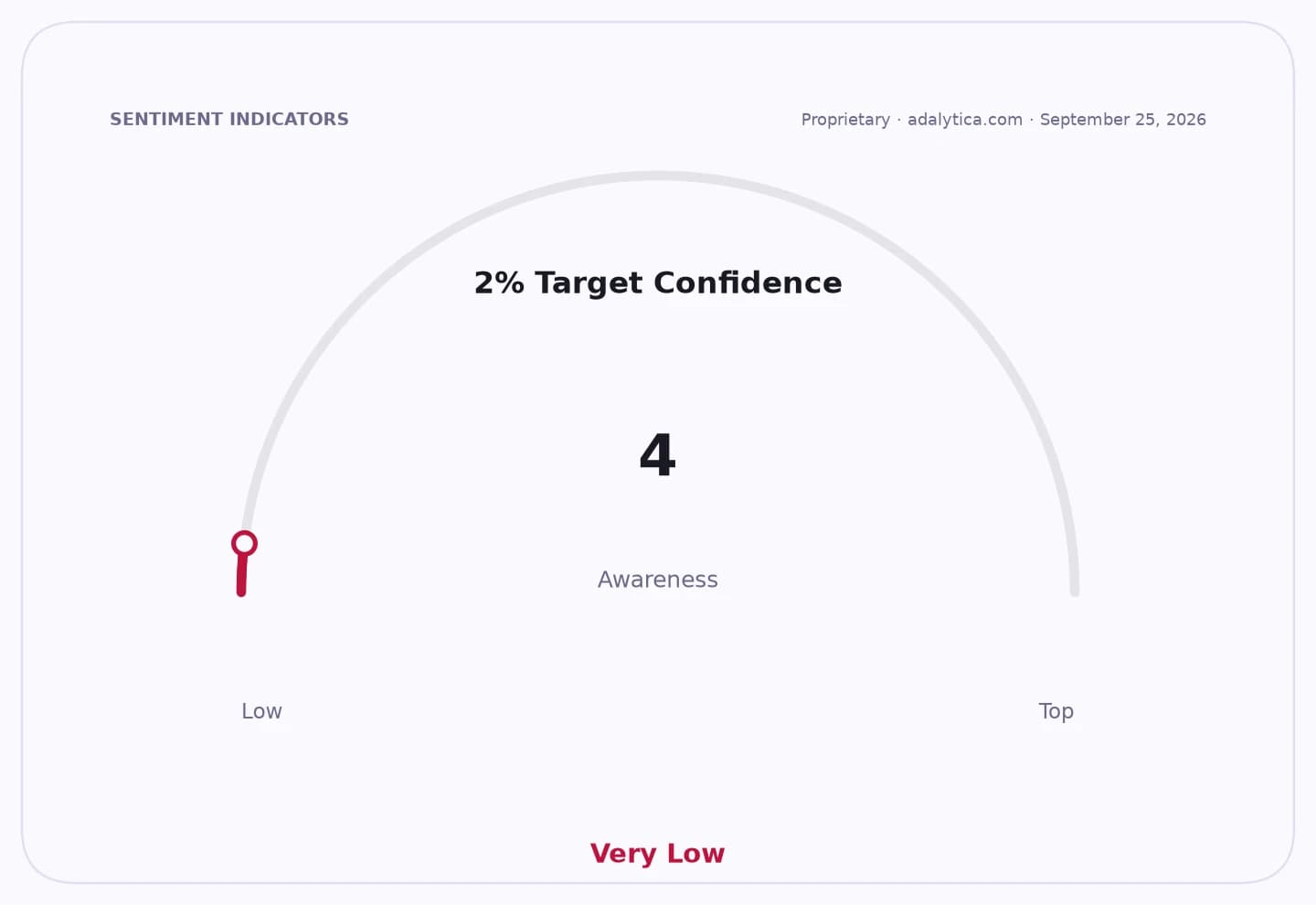
Adalytica’s Industrial Production Sentiment snapshot reads neutral, with awareness at an extreme level, suggesting the data is drawing attention even as the broader market remains focused on the next move in rates and growth.
If the projected July increase lands, it would extend a run of modest but persistent gains that began after the 2024 dip below 100, keeping industrial output on a slow but constructive path into the second half of 2026.
| Entity | Gains | Losses |
|---|---|---|
| Manufacturers | ▲steadier output | ▼weak volume risk |
| Industrial ETFs | ▲support from growth data | ▼limited upside if momentum fades |
| Transportation stocks | ▲better freight demand | ▼lag if goods demand cools |
| Fed hawks | ▲less urgency for cuts | ▼no recession signal to press easing |