Gas prices pushed U.S. inflation back up to 3% in July, a reminder that the disinflation story is fragile even as food costs eased and some broader wholesale pressures cooled.
U.S. Inflation Rises to 3% on Higher Gas Prices
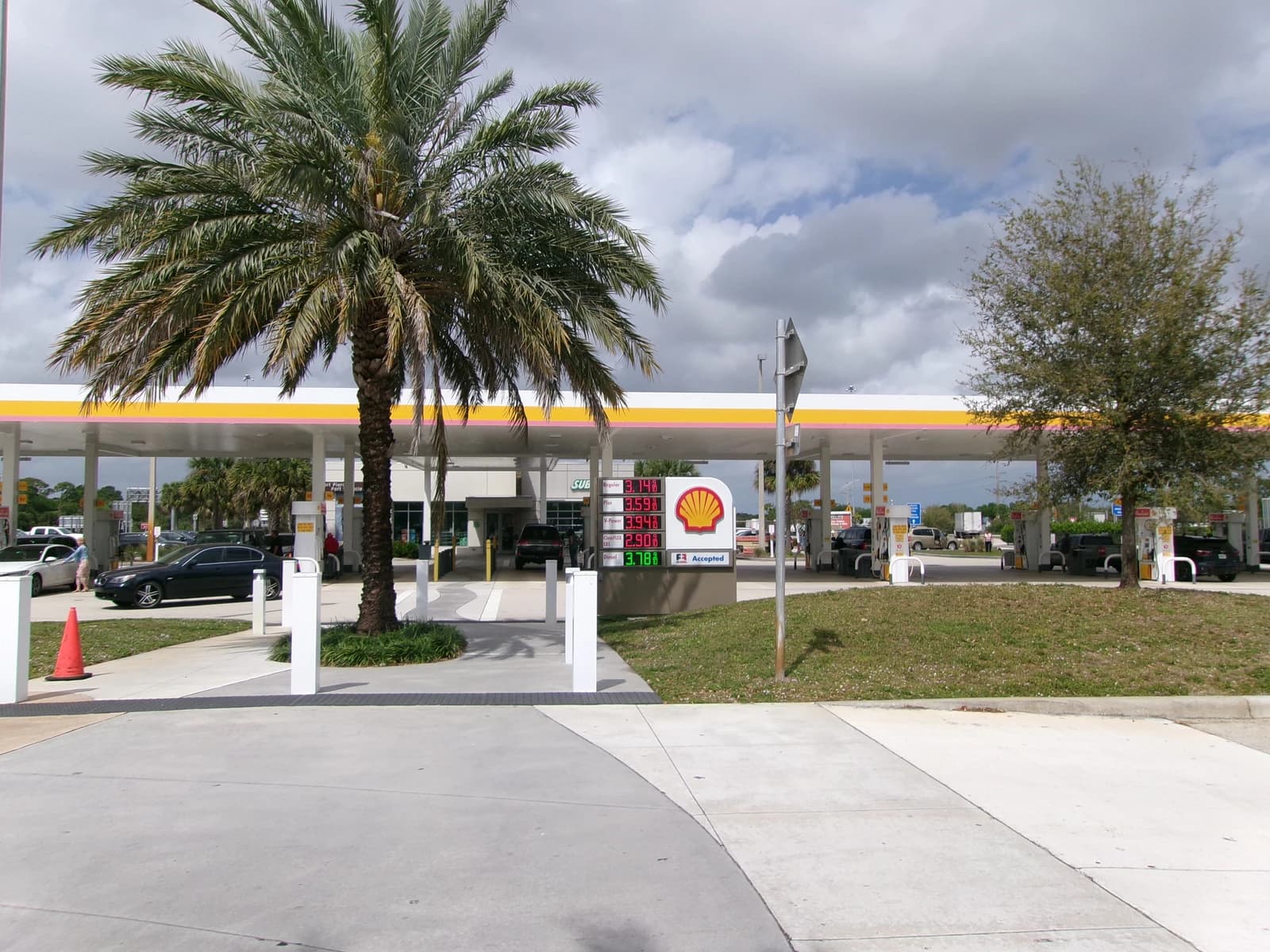
That matters because inflation is not just a number on a government report — it shapes interest rates, bond yields, consumer spending and the market’s confidence that the Federal Reserve can eventually normalize policy. A hotter reading at the headline level can keep pressure on policymakers to stay cautious, even when underlying trends look friendlier.
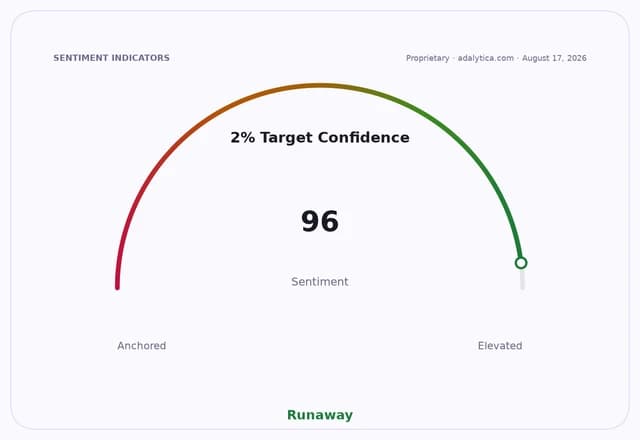
Sentiment IndicatorsⓘProprietary · adalytica.com · August 17, 2026
This is a snapshot — live sentiment, awareness and momentum for 130+ markets update continuously in the dashboard.Open AlphaPulse
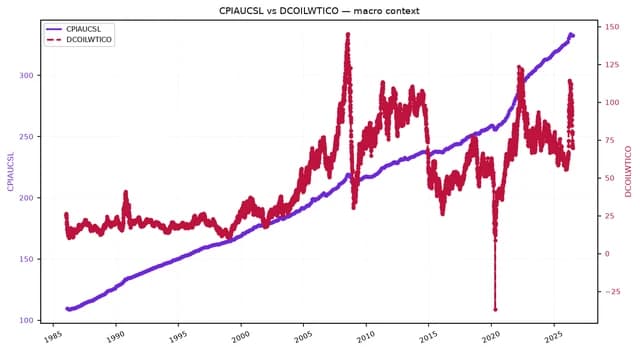
The latest move appears to be driven more by energy than by a broad-based reacceleration. Oil has been volatile, with West Texas Intermediate swinging from above $109 in early May to the low $80s and then back toward the mid-$80s in August. That kind of price action tends to filter quickly into pump prices and can temporarily overshadow easing in other parts of the basket.
At the same time, food price pressure has been easing, which is exactly the kind of offset investors want to see if inflation is going to cool in a durable way. Wholesale prices, too, have been softer on a recent basis, suggesting that not every part of the economy is heating up at once. The implication is that July may prove more like an energy-led bump than the start of a fresh inflation wave.
For investors, that distinction is crucial. A gas-driven inflation pop usually hurts duration-sensitive assets first: Treasury bonds, rate-cut expectations and growth stocks can all come under pressure if markets decide the Fed will have to stay restrictive longer. That is why the recent tone around inflation has mattered so much for sectors such as utilities, consumer staples and energy.
The market backdrop already reflects those cross-currents. Energy shares, as measured by the XLE exchange-traded fund, have climbed sharply, with the fund recently pushing to record territory and its 50-day moving average rising above the 200-day average. The move is a clear sign that investors are still rewarding companies that can benefit from firmer crude prices and geopolitical supply risk.
Oil exposure has also remained elevated, and the USO fund has kept trading at rich levels even after its earlier spike, underscoring how quickly fuel shocks can feed through the system. That helps energy producers, refiners and commodity-linked names. It hurts households, airlines, transportation firms and any business that cannot easily pass through higher fuel costs.
There is also a valuation angle that long-term investors should not miss. Inflation that is driven by energy rather than wages or services is often less sticky, which means patient investors may get opportunities when markets overreact to a single monthly print. History says it pays to separate a noisy headline from a true trend, especially when broader price measures are still showing signs of cooling.
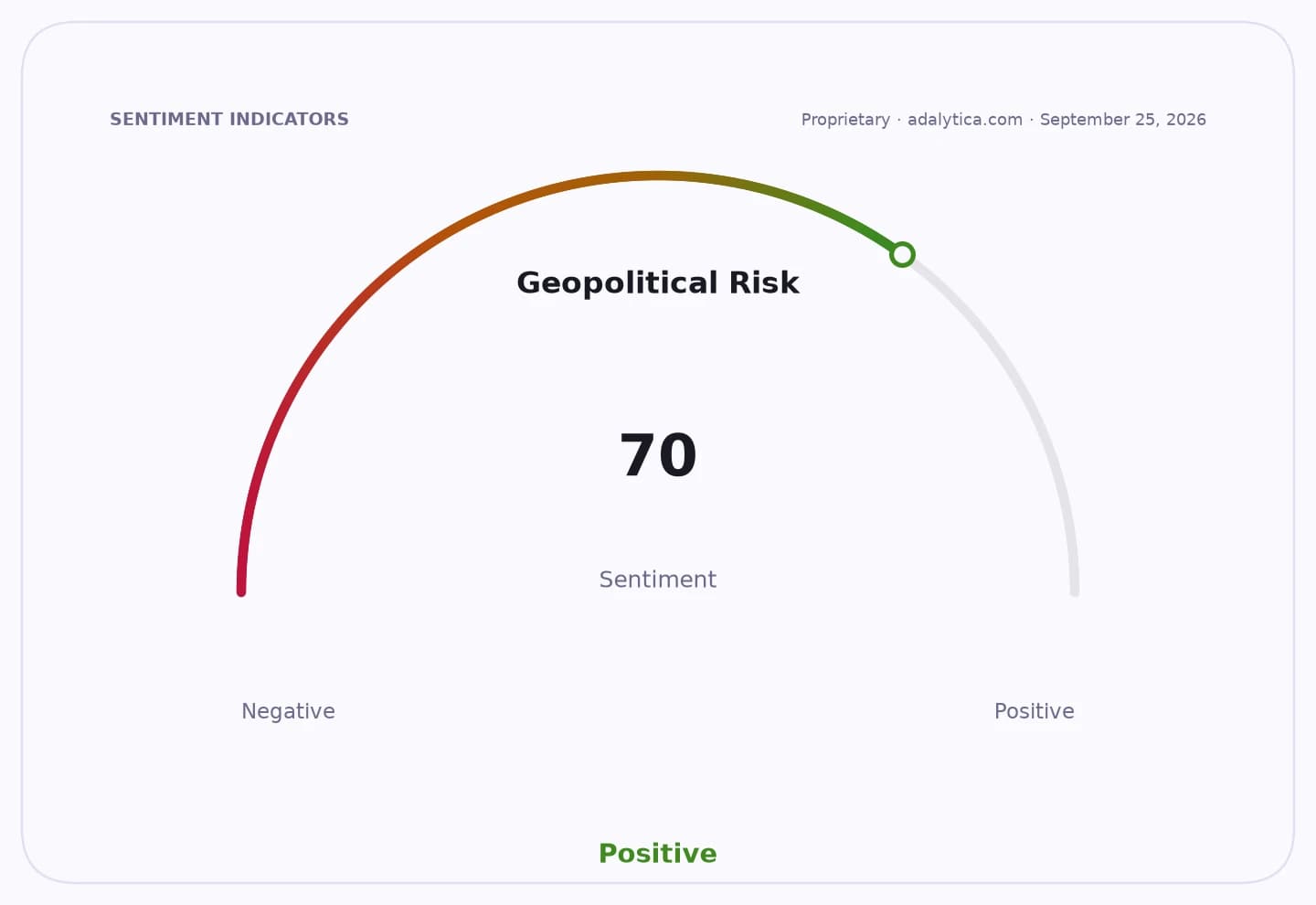
Adalytica’s inflation and Fed-target confidence gauges also point to a market that is unusually sensitive to the next data point. That kind of extreme attention often creates volatility, but it can also create openings for disciplined investors who focus on businesses with pricing power, strong free cash flow and durable competitive advantages.
The bigger story is not whether gas prices rise or fall in one month. It is whether inflation can keep drifting lower without a new shock from energy, geopolitics or supply constraints. If crude steadies and food pressures keep fading, the July jump may look temporary. If not, the Fed and markets may have to stay on guard a little longer, and that is exactly why investors should keep inflation-sensitive assets on the watchlist, not the sidelines.
| Entity | Gains | Losses |
|---|---|---|
| Energy producers | ▲Higher pricing power | ▼Consumers facing higher fuel bills |
| Gasoline consumers | ▲Lower prices if crude cools | ▼More expensive commuting and travel |
| Treasury bonds | ▲Relief if inflation eases | ▼Pressure if inflation stays sticky |
| Fed rate-cut hopes | ▲Better if headline inflation fades | ▼Damaged by another energy spike |