US employers added 165,000 jobs in October, a stronger-than-expected reading that says more about the economy’s resilience than it does about a clean victory over inflation. The unemployment rate dipped to 4.1%, but the labor market is still showing cracks beneath the headline strength: jobless workers are taking longer to find work, and nearly two million people have been out of a job for at least 27 weeks.
US Jobs Report Lifts December Rate Hike Odds
Nonfarm Payrolls
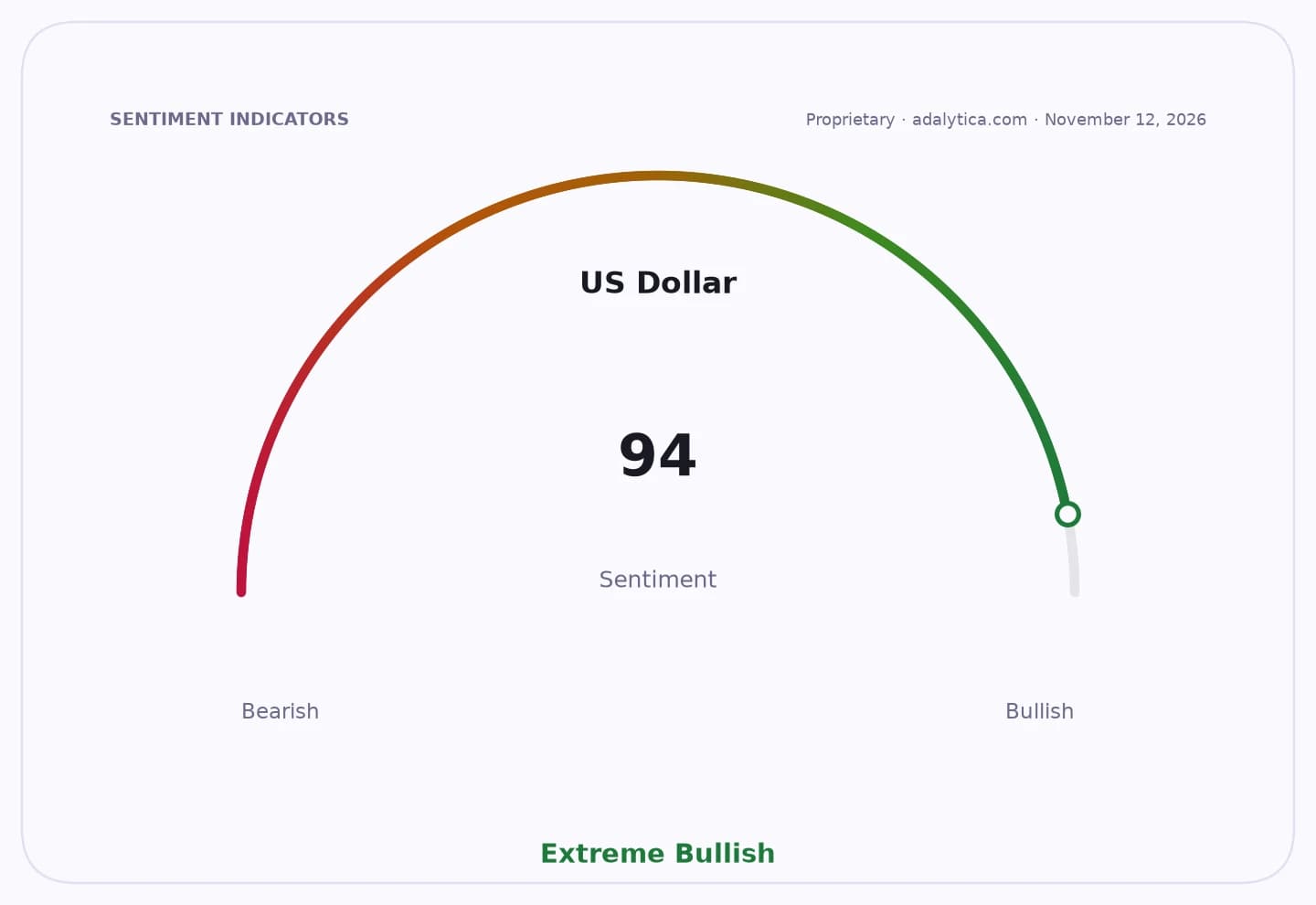
For investors, that combination matters because it keeps the Federal Reserve in play. A sturdier labor market makes it easier for policymakers to justify holding rates higher for longer, and possibly hiking again at the December meeting. After the report, traders lifted the implied odds of a quarter-point increase to about 77%, according to CME FedWatch, up from 66.9% a week earlier.
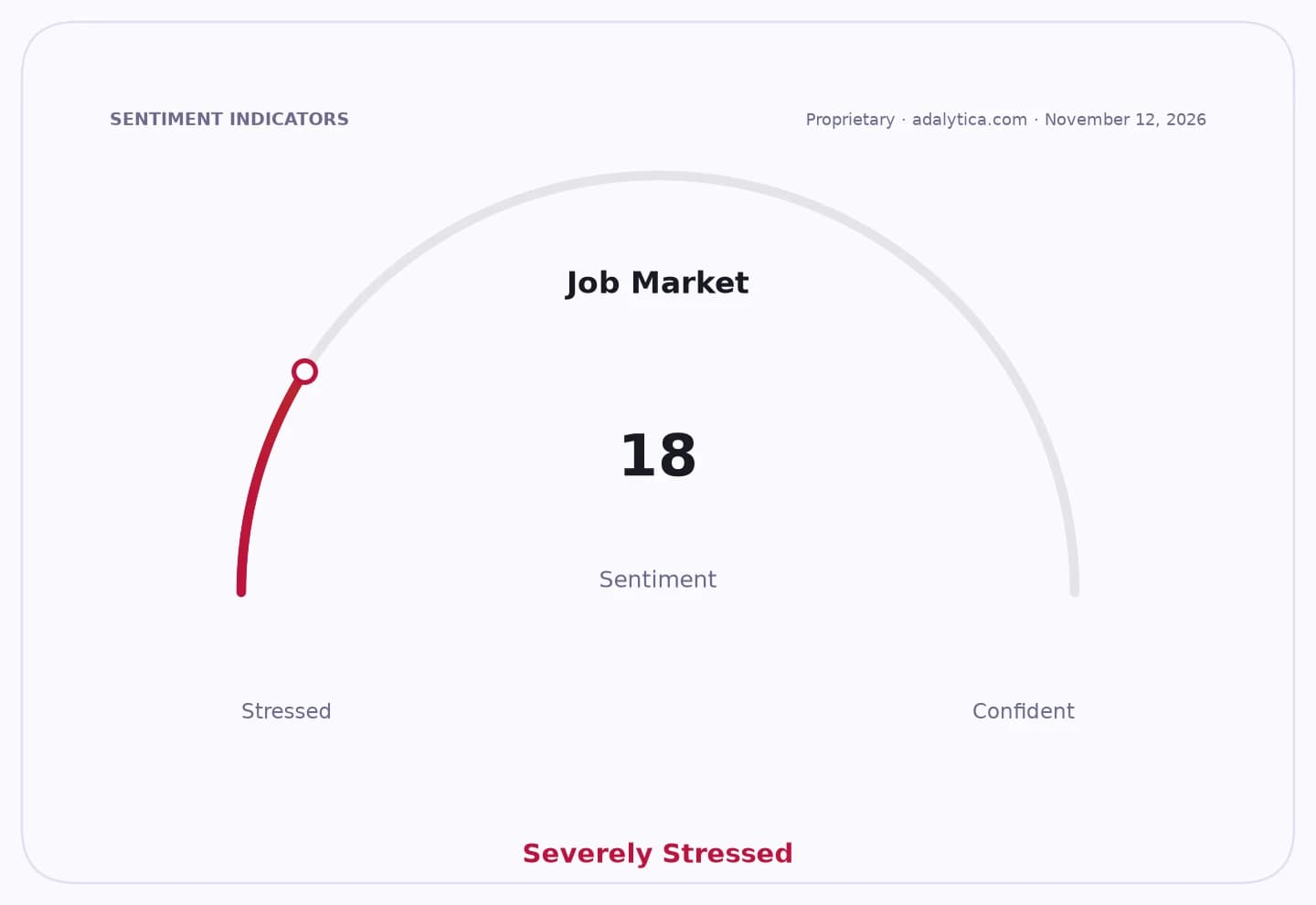
Sentiment Indicators
Nonfarm Payrolls
That is not just a Wall Street exercise. Higher-for-longer rates ripple through the economy by keeping borrowing costs elevated for consumers, homebuyers and businesses. They can support the dollar and pressure rate-sensitive corners of the market, but they also reflect an economy that has not rolled over. For long-term investors, that is a reminder that recessions are not inevitable just because growth slows.
Wage growth also tells an important story. Average hourly earnings rose 3.1% from a year earlier and 0.4% from the prior month, topping expectations, but still lagging the 3.7% inflation rate. In plain English, paychecks are growing, but not fast enough to fully outpace the cost of living. That leaves households under some pressure even as hiring holds up, which is why consumer spending may remain uneven rather than collapse.
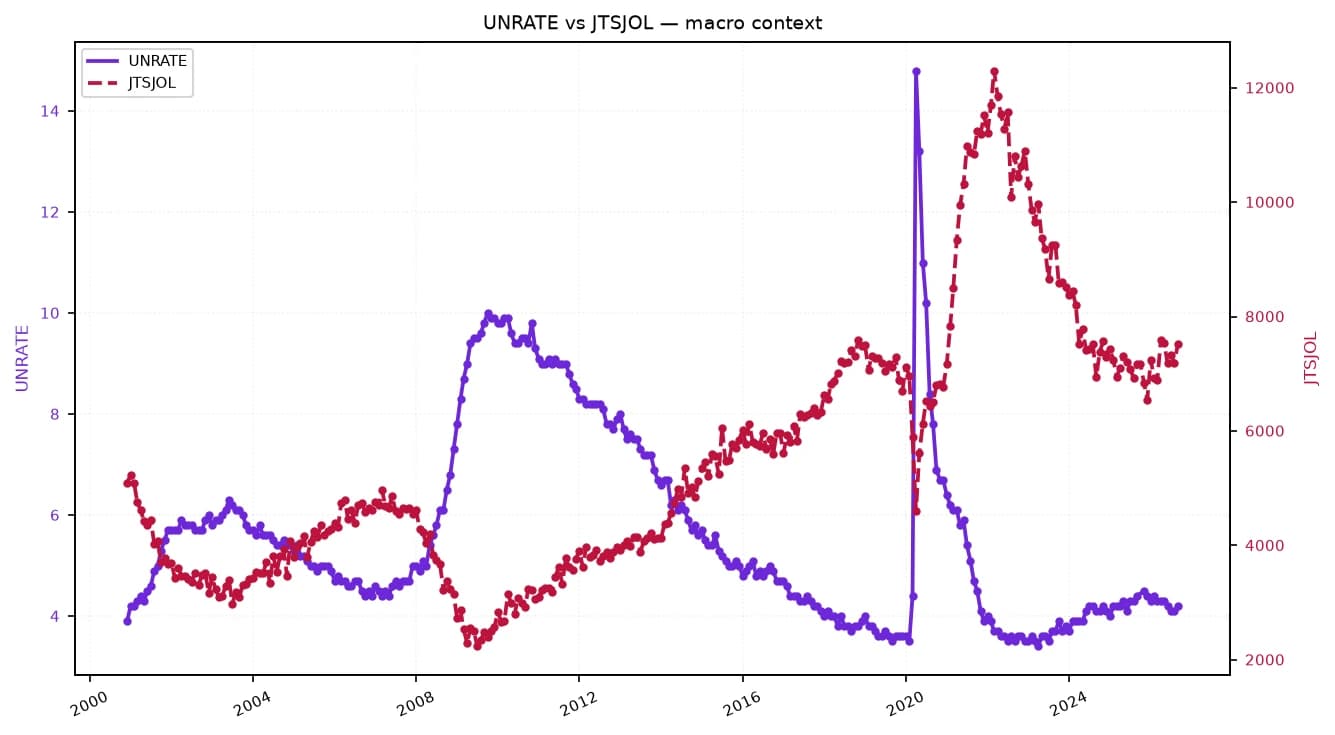
UNRATE vs PAYEMS — macro contextadalytica.com
Explore this data interactively — full history, time series and cross-market comparisons.
The darker signal is in duration of unemployment. The average jobless worker has now been unemployed for more than 27 weeks, the longest stretch since 2016 outside the pandemic years. That suggests the labor market is healthy at the aggregate level, but not frictionless. Some industries are still hiring, while displaced workers are finding it harder to land quickly — a mix that can slow the broader recovery in confidence.
For equity investors, the best reading of this report is not to chase the excitement or fear the headline alone. A durable job market supports earnings, especially for consumer-facing companies, but it also raises the odds of tighter financial conditions. That means quality balance sheets, steady free cash flow and businesses less exposed to borrowing costs still deserve the premium. In a market where the SPY’s technical backdrop remains mixed, the bigger lesson is patience: this economy is resilient, but the Fed is unlikely to let up until inflation gives it room.
| Entity | Gains | Losses |
|---|---|---|
| US employers | ▲stronger demand backdrop | ▼higher financing costs |
| Federal Reserve | ▲room to justify tighter policy | ▼pressure to keep rates elevated |
| Workers with jobs | ▲wage gains and stability | ▼inflation still outpaces pay |
| Job seekers | ▲little immediate gain | ▼longer unemployment spells |