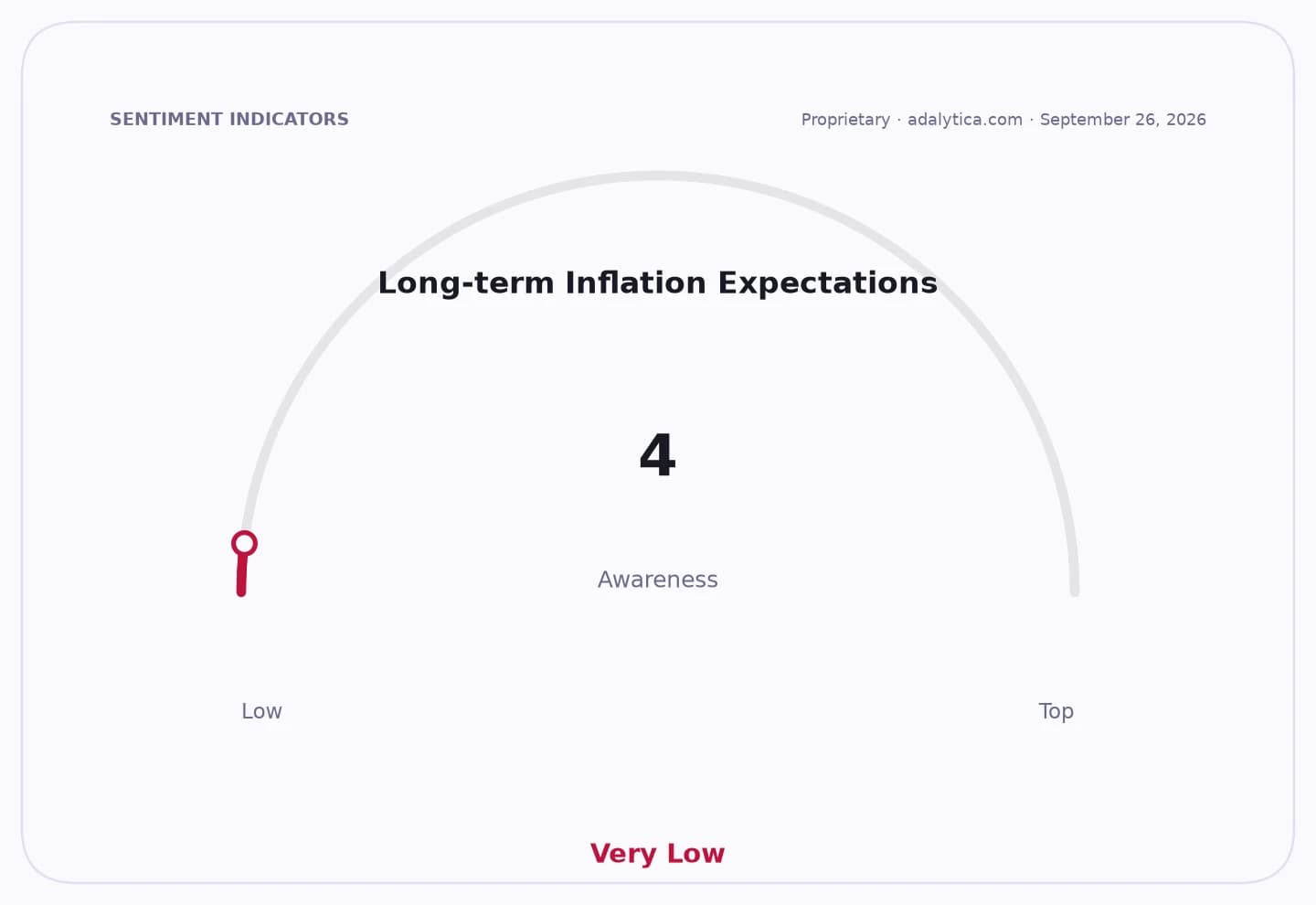
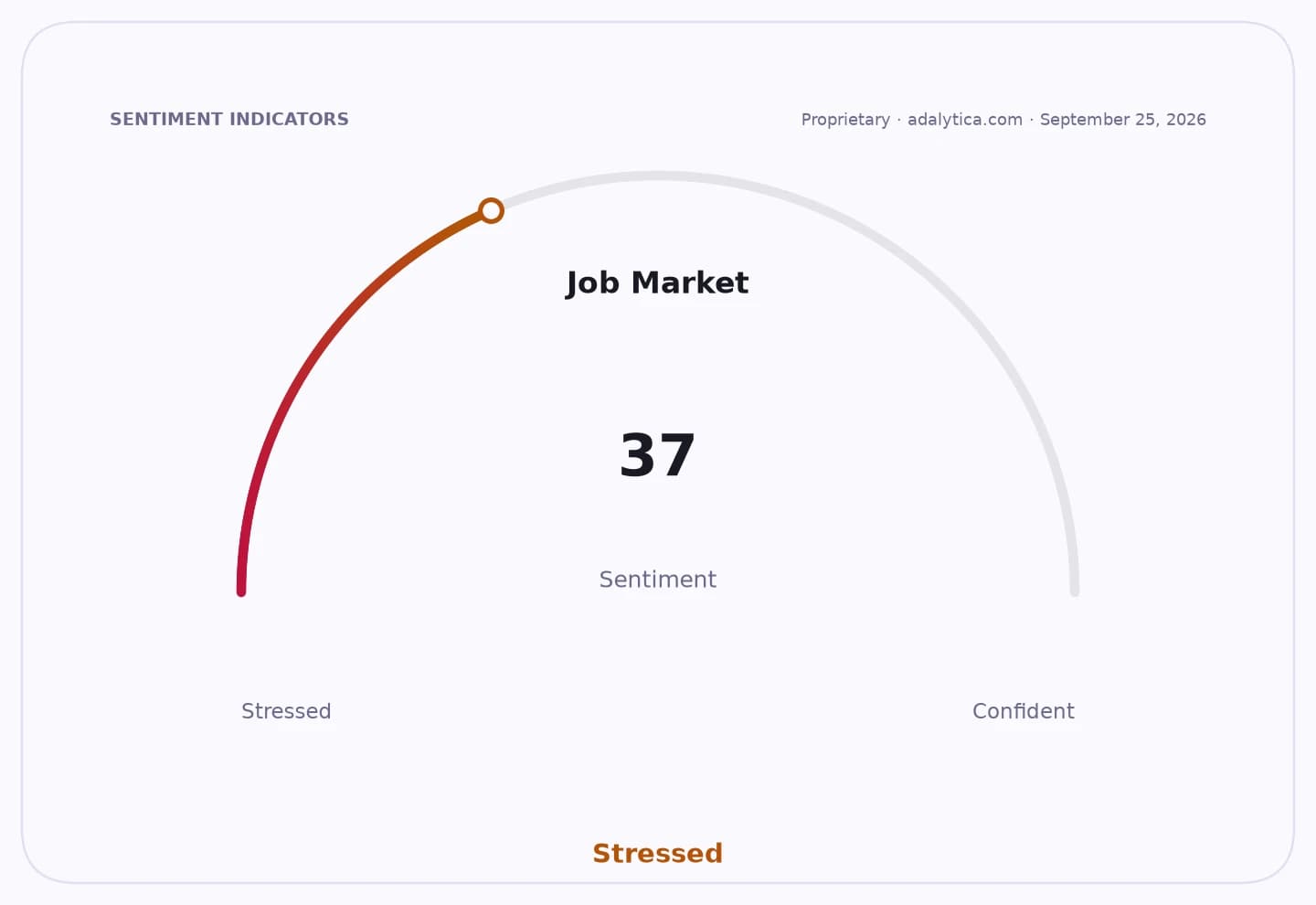
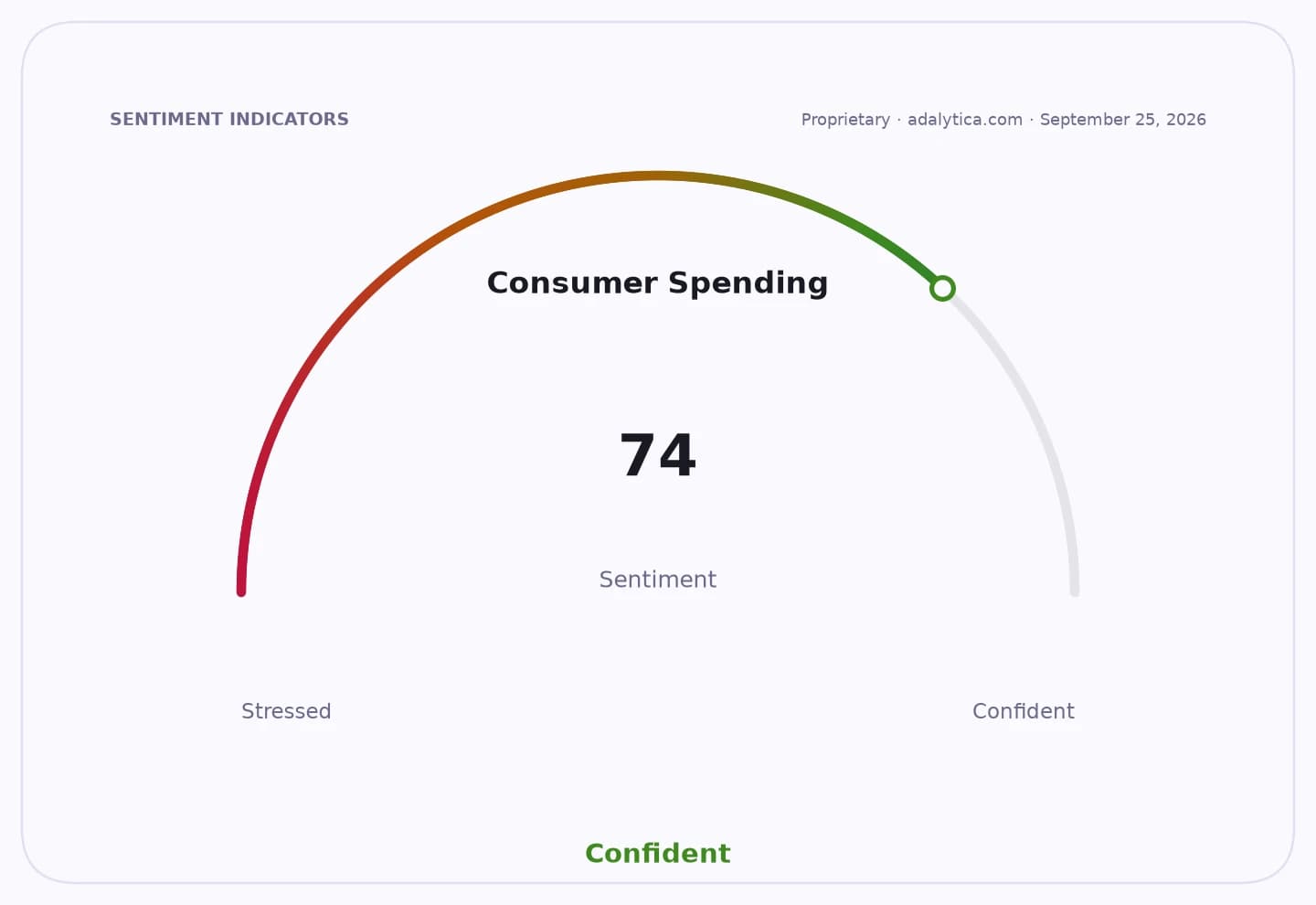
US inflation came in exactly as expected in July, easing pressure on the Federal Reserve and sharply reducing the market-implied chance of a September rate hike.
US July CPI Matches Forecasts, Rates Bets Ease
The consumer price index rose 0.1% from June and 3.4% from a year earlier, in line with forecasts, while core inflation cooled to 0.2% on the month and 2.5% annually. That combination matters because it keeps price growth moving in the right direction without giving policymakers a fresh reason to tighten again.
Sentiment IndicatorsⓘProprietary · adalytica.com · August 15, 2026
This is a snapshot — live sentiment, awareness and momentum for 130+ markets update continuously in the dashboard.Open AlphaPulse

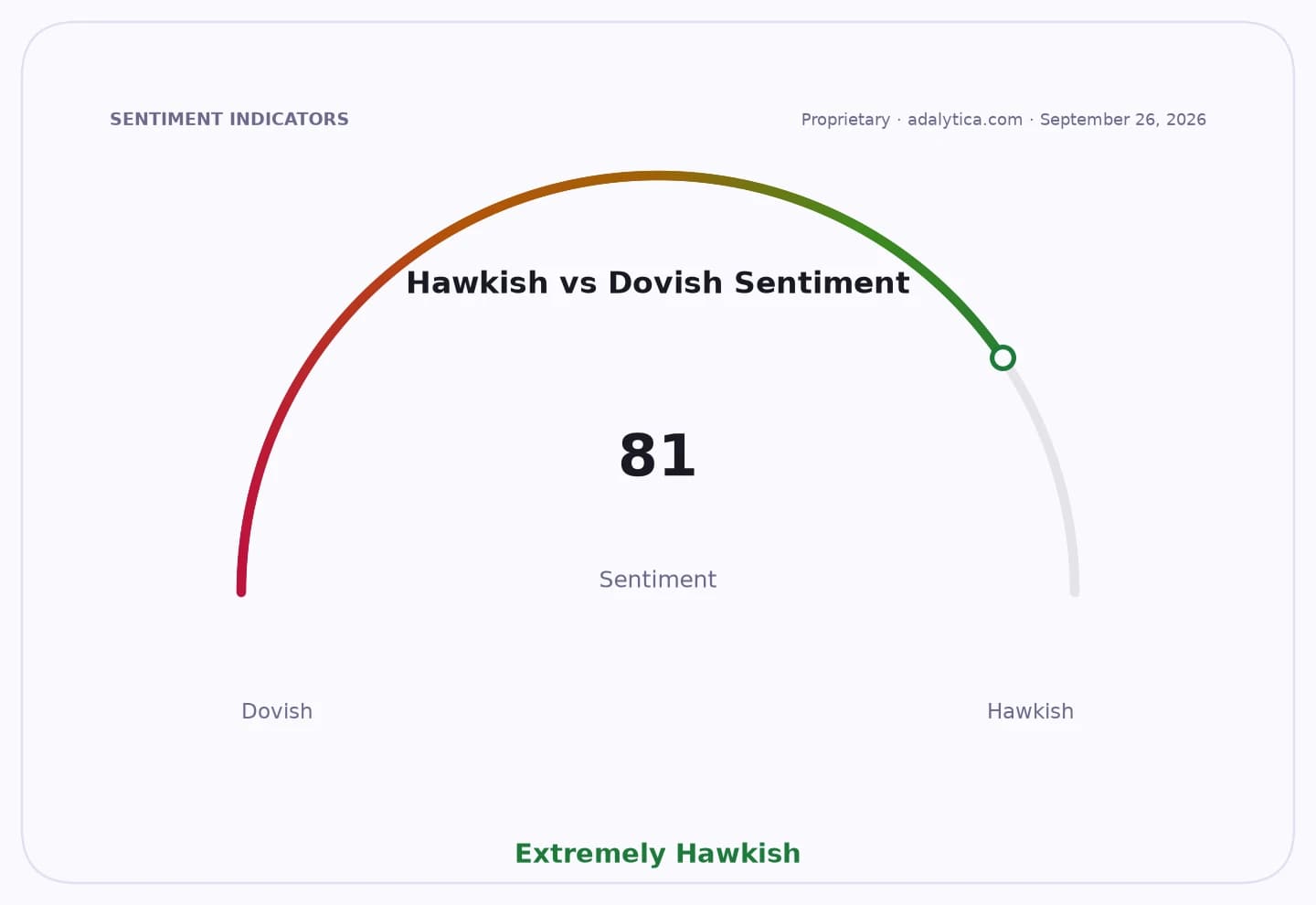
For investors, the biggest takeaway is the shift in Fed expectations. A benign CPI print typically lowers the odds of an immediate policy move, and that showed up in bond and equity pricing as traders leaned further toward a steady rates outlook rather than a September increase.
Treasury prices were sensitive to the readout, with the iShares 20+ Year Treasury Bond ETF, TLT, trading near $82.04 on Aug. 14, below its 50-day and 200-day moving averages. The S&P 500 ETF, SPY, held near $776.34, though technical indicators such as its relative strength index remained elevated, suggesting the market had already priced in some relief on inflation.
Hawkish vs Dovish Sentiment vs TLTadalytica.com
Explore this data interactively — full history, time series and cross-market comparisons.Open AlphaPulse

The data also fits a broader macro picture of cooling but still sticky inflation. Headline CPI remains well above the Federal Reserve’s long-run target, leaving policy makers room to keep rates higher for longer if price pressures reaccelerate, especially with energy markets and geopolitics still volatile.
Adalytica’s Fed policy sentiment gauge pointed to renewed fear around the policy outlook even as CPI sentiment surged to “Extreme Greed,” underscoring how sensitive markets remain to every inflation release. The next catalyst is the Federal Reserve’s guidance, which will determine whether July’s softer reading is enough to lock in a prolonged pause or merely delay another tightening move.
| Entity | Gains | Losses |
|---|---|---|
| Treasury bulls | ▲Higher bond prices | ▼Higher yields |
| Equity investors | ▲Policy relief | ▼Rate-hike risk |
| Federal Reserve | ▲More room to hold | ▼Pressure to explain next move |
| Borrowers | ▲Lower near-term funding fear | ▼Any renewed inflation surge |