Businesses are discovering that a large balance sheet is not the same thing as spending power, as tightening liquidity, debt maturities and rising funding costs force companies, households and even governments to ration cash.
US Liquidity Squeeze Hits Banks, Borrowers
That constraint matters because cash flow, not headline reserves, determines whether firms can refinance debt, fund payrolls and keep investing. In the current environment, the problem is not a lack of money in the system so much as the difficulty of turning it into usable liquidity at a reasonable cost.
Sentiment IndicatorsⓘProprietary · adalytica.com · September 5, 2026
This is a snapshot — live sentiment, awareness and momentum for 130+ markets update continuously in the dashboard.Open AlphaPulse

The clearest sign of the squeeze is the growing emphasis on liquidity management in US bank filings. Wells Fargo and Bank of America both flagged liquidity risk in their latest 10-Qs, while JPMorgan pointed to cash-flow analysis and stable deposits as core funding supports. The language is routine for large banks, but the intensity of attention underscores how much more valuable readily deployable cash has become as markets price in higher-for-longer funding pressure.
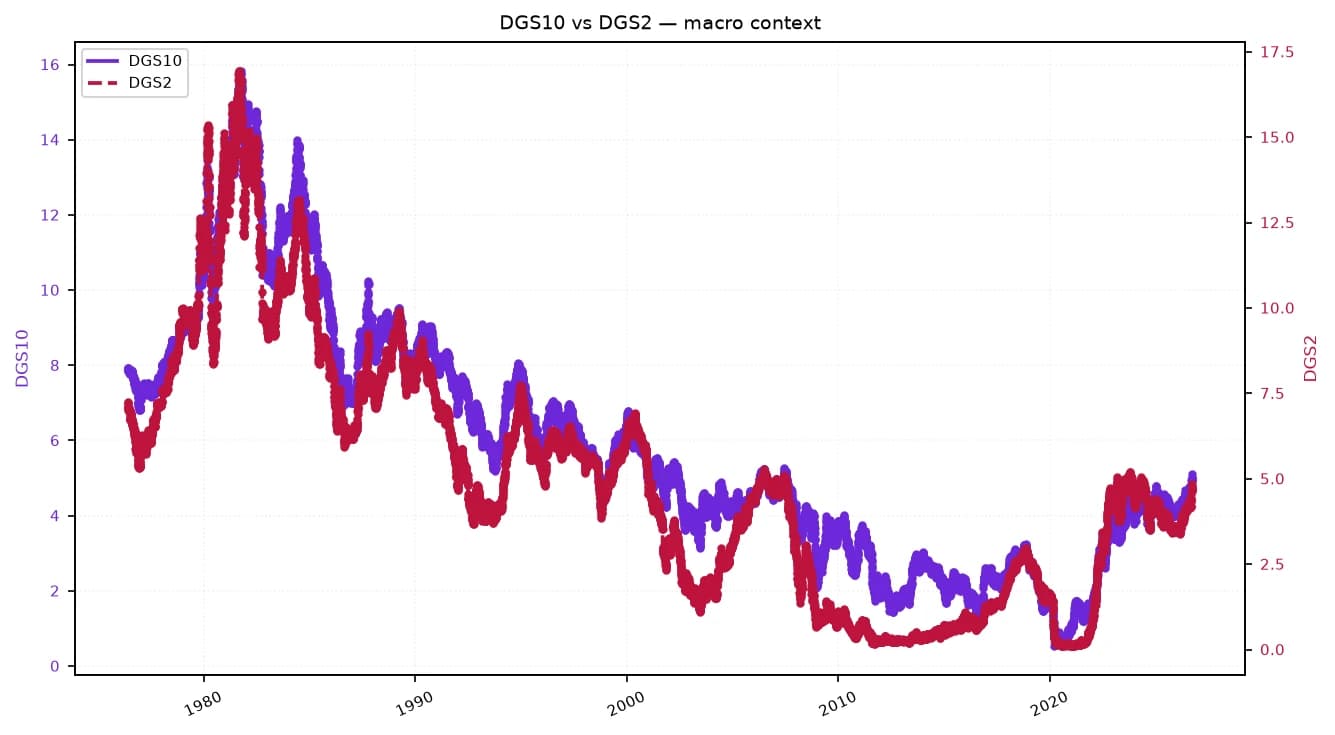
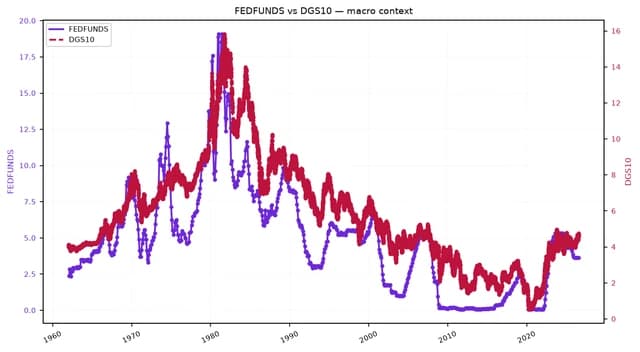
The macro backdrop is consistent with that strain. The US federal funds rate is sitting at 3.63%, while the 10-year Treasury yield is around 4.79%, levels that keep borrowing costs elevated relative to the ultra-cheap money era. Consumer price inflation remains sticky at 332.813 on the CPI index, limiting the scope for easy policy relief. For indebted companies, that combination means refinancing windows are tighter, interest burdens are higher and cash hoards matter more than reported earnings.
Technical signals in the rupee also point to a market still adjusting to the liquidity backdrop. The dollar-rupee pair was last around 94.49, above its 200-day moving average but just below the 50-day, with RSI readings near 40 and a negative MACD, suggesting momentum has cooled even as the broader trend remains elevated. In plain terms, foreign-exchange volatility can still complicate cash planning for importers, borrowers and companies with dollar liabilities.
Adalytica’s consumer spending sentiment sits at 4, labelled “Extreme Fear,” while consumer confidence recession sentiment is also at 4. That does not by itself dictate spending behavior, but it fits the broader picture of households becoming more cautious, which in turn pressures companies’ cash conversion cycles. When demand softens and collections slow, even businesses that look well capitalized can find themselves short of spendable cash.
The corporate angle is especially important for leveraged firms. If cash is trapped by covenants, pledged to debt service or needed to refinance upcoming maturities, management has little freedom to pursue expansion, buybacks or acquisitions. That is why the seed premise — money in the account but not freely spendable — is economically significant: it speaks to the difference between accounting wealth and operational liquidity.
The bull case is that large cash balances and stable deposit bases still provide a buffer, especially for big banks and stronger corporates that can wait out tighter conditions. The bear case is that refinancing costs stay elevated long enough to turn a liquidity squeeze into a solvency problem, particularly for smaller borrowers and companies with lumpy cash flows.
For investors, the key question is not who has the most cash on paper, but who can actually deploy it when markets are tight. Balance-sheet strength will matter less than funding flexibility, maturities, deposit stickiness and access to cheap capital. In the next phase of the cycle, those with real liquidity should outperform those merely reporting it.
| Entity | Gains | Losses |
|---|---|---|
| Large banks | ▲Stable funding advantage | ▼Margin pressure from tighter liquidity |
| Highly leveraged companies | ▲Access to refinancing | ▼Rising interest expense and cash traps |
| Cash-rich firms | ▲Operational flexibility | ▼Lower return on idle cash |
| Consumers | ▲Protection from over-spending | ▼Reduced purchasing power in a cautious economy |