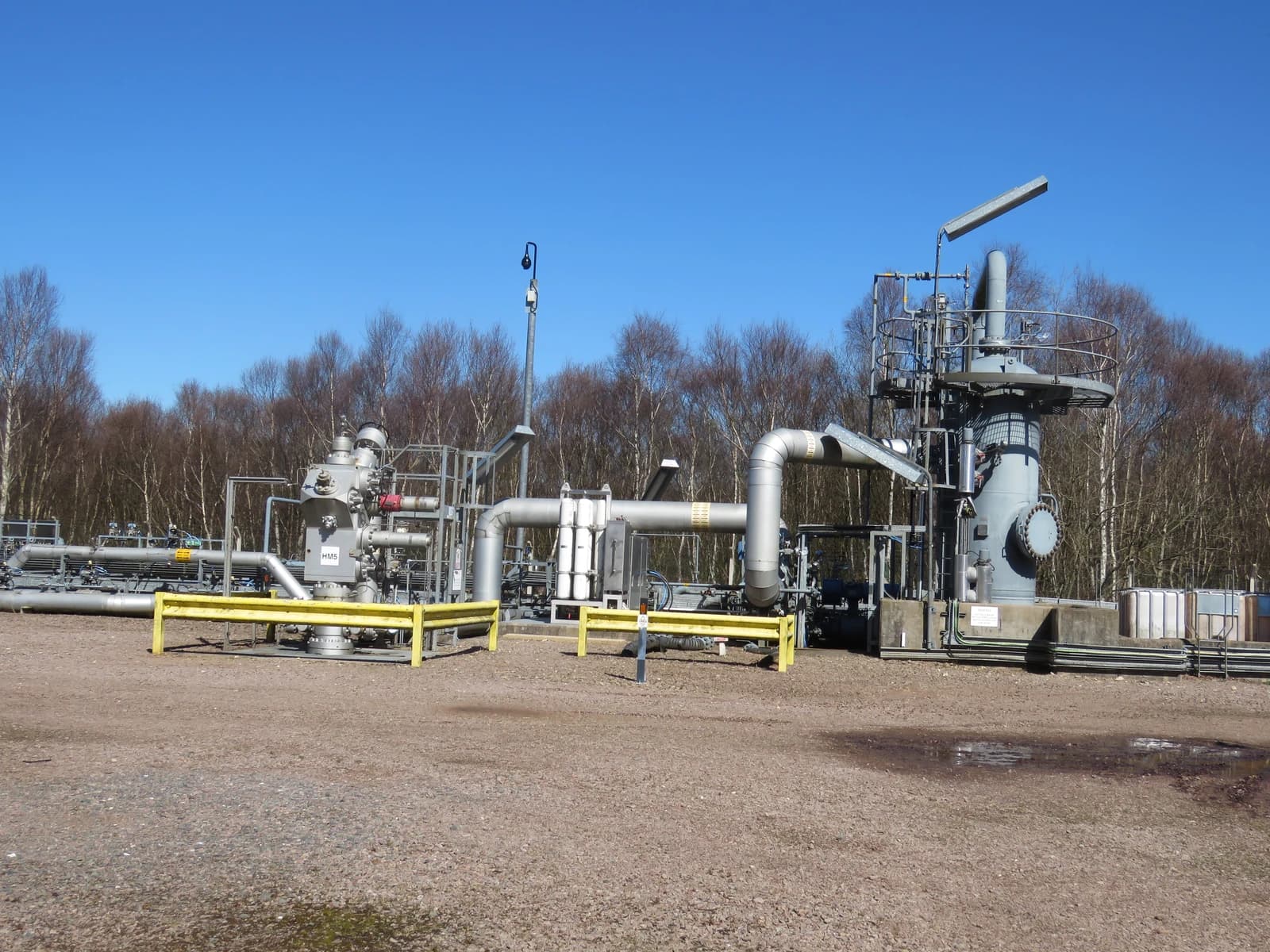
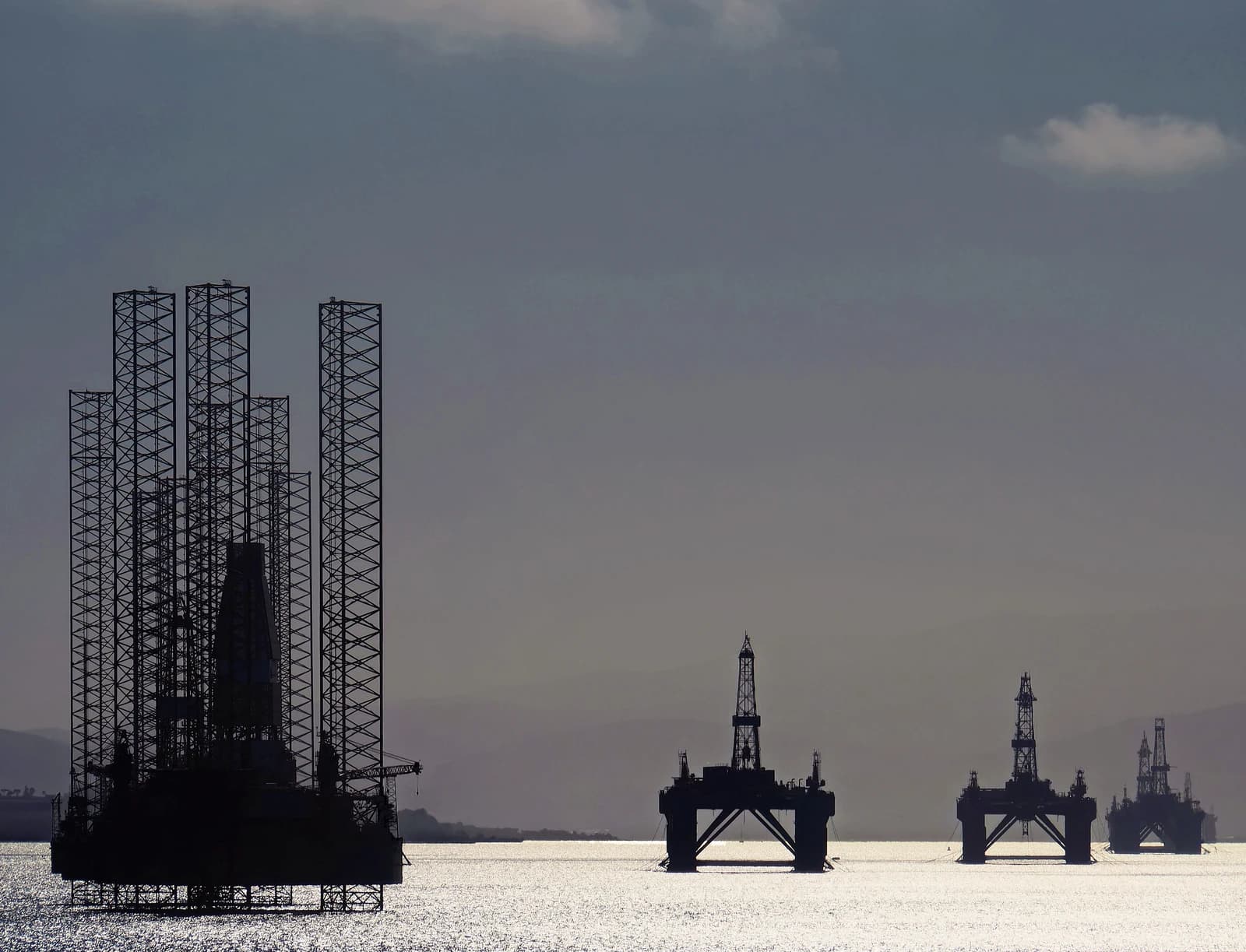
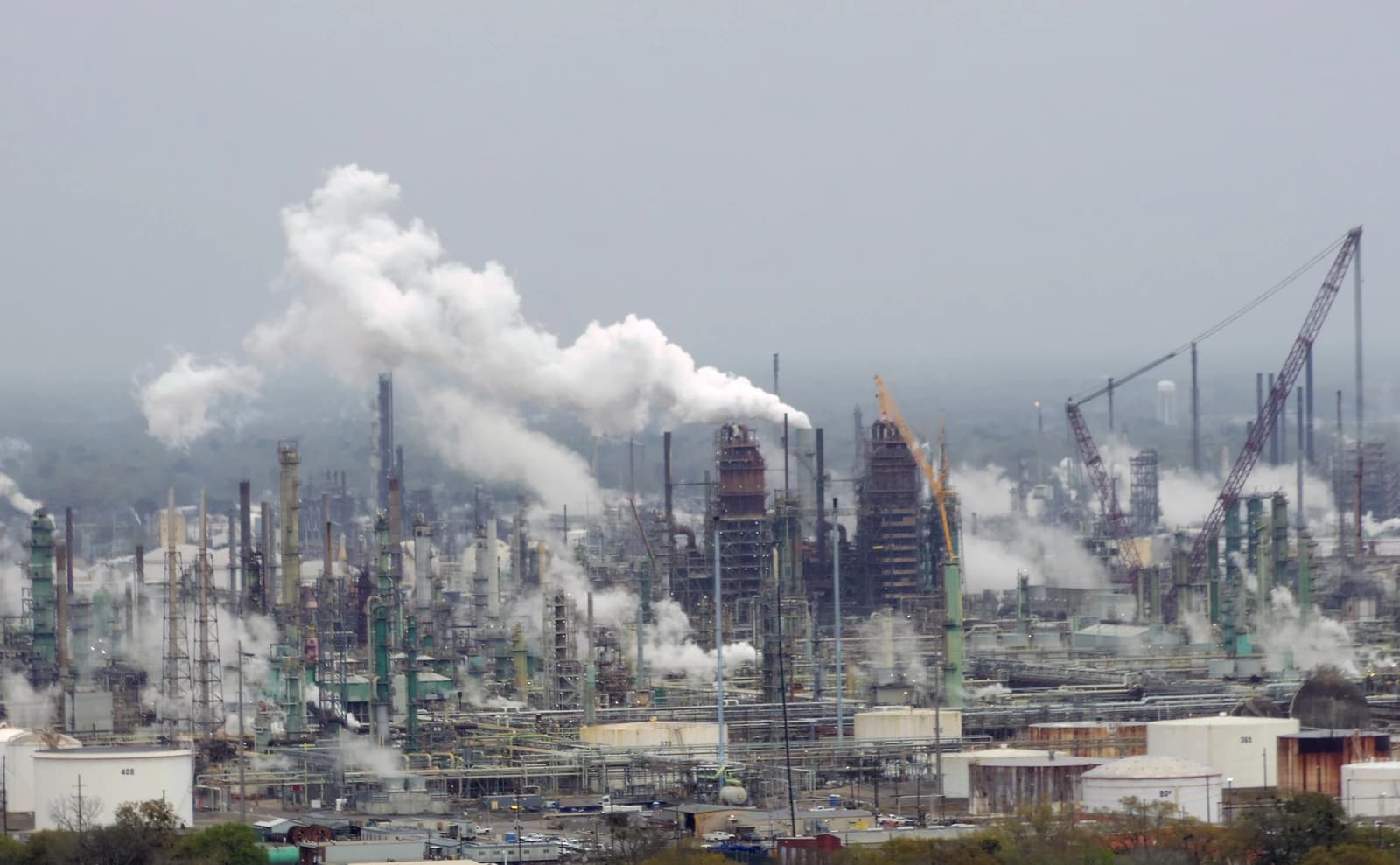
U.S. methane emissions from oil and gas production have plateaued even as drilling and output climbed, underscoring how pipeline buildout and better operating practices are helping the industry decouple growth from a powerful greenhouse gas.
U.S. methane emissions plateau as oil and gas output rises
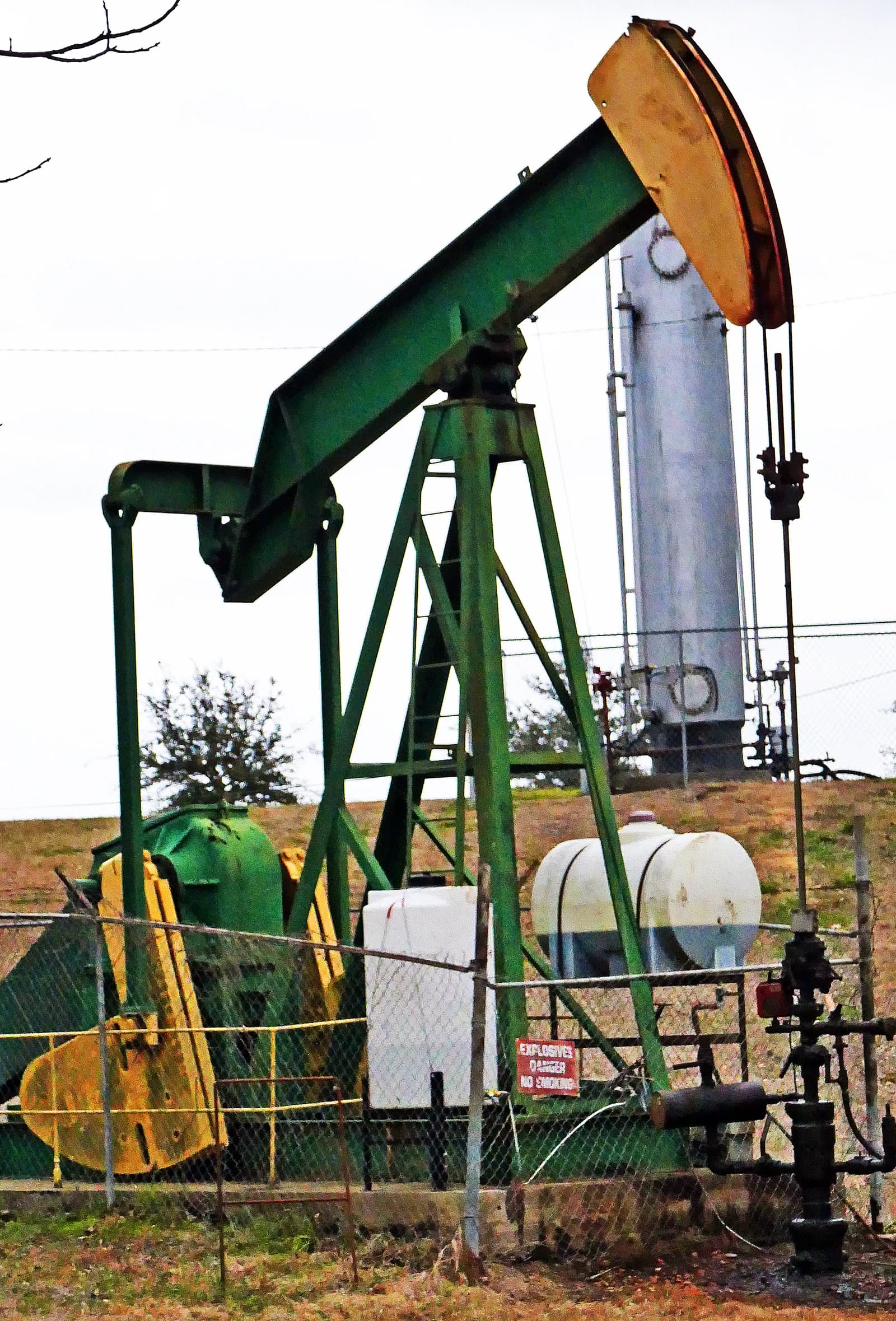
That matters because methane is far more potent than carbon dioxide over the near term, making it one of the fastest ways to slow climate warming. It also matters to investors because the finding suggests the economics of leak detection, capture infrastructure and gas takeaway capacity are improving — and that the biggest wins may go to the companies selling the tools, pipes and services that make methane less likely to escape in the first place.
Sentiment IndicatorsⓘProprietary · adalytica.com · October 14, 2026
This is a snapshot — live sentiment, awareness and momentum for 130+ markets update continuously in the dashboard.Open AlphaPulse
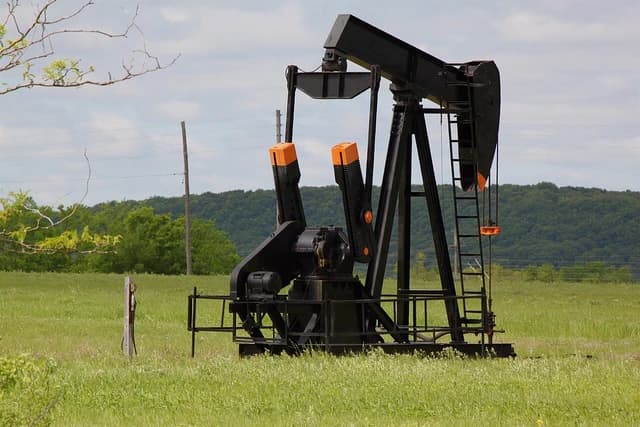
A Johns Hopkins University study published in Communications Earth & Environment found total methane emissions from oil and gas activities in the contiguous U.S. stayed in a narrow band of 9.3 to 10.4 teragrams a year between 2019 and 2024. Emissions fell by 0.58 teragrams from 2019 to 2023, then ticked up slightly in 2024, while emissions intensity dropped about 11% over the period.
That is the real story: the U.S. shale machine kept expanding, but methane did not rise in lockstep. The result points to a sector that is getting marginally cleaner per barrel and per cubic foot produced, even if total releases remain stubbornly high. For policymakers, it raises an uncomfortable question about whether federal methane rules and the Inflation Reduction Act have yet delivered measurable aggregate cuts. For energy companies, it suggests compliance is increasingly being absorbed into normal operating budgets rather than treated as a one-time regulatory shock.
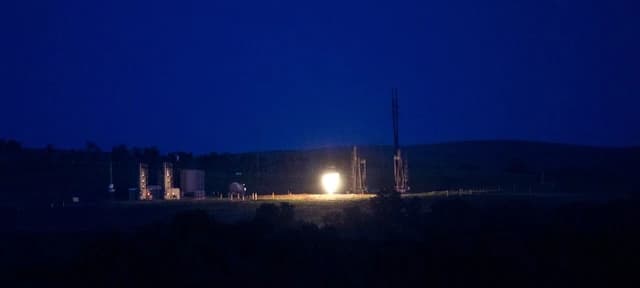
The study’s authors argue the decline in emissions intensity likely reflects a mix of better industry protocols, less flaring and more infrastructure to move gas from the wellhead to market. That matters economically because methane is not just a waste stream; it is the product. As more producers can capture and monetize gas instead of burning or leaking it, the incentive structure shifts from penalty avoidance to margin improvement. In other words, methane control is becoming a capex story, not just an ESG story.
The geographic split reinforces that point. Texas, the country’s biggest oil-producing state, saw a 14% drop in oil and gas methane emissions, while California and Colorado were said to be missing their reduction goals. That is a reminder that the market for emissions reduction will not be uniform: regions with dense infrastructure, stronger monitoring and more commercial gas takeaway capacity are likely to move faster than basins still constrained by logistics or policy uncertainty.
For investors, the message is that methane regulation is becoming a second-order but durable demand driver for energy infrastructure, monitoring technology and midstream capacity. The public equities most exposed are not the emitters themselves, but the toll collectors around them: pipeline operators, gas processors, emissions-monitoring vendors and service names tied to flaring reduction, leak detection and wellsite optimization. The oil and gas producers also benefit when they can sell more molecules instead of losing them, but the real asymmetric opportunity is in the picks-and-shovels.
That makes the trade more nuanced than a simple climate-versus-energy debate. If regulatory durability improves, methane-related spending should keep rising. If enforcement slips, the long-term need for gas capture infrastructure still does not disappear because the commodity incentive remains. Either way, the secular trend favors the companies that help producers measure, capture and commercialize methane rather than waste it.
The market should read this as evidence that U.S. energy is entering a higher-efficiency phase, not a lower-output one. That combination — more production, flatter emissions intensity and persistent infrastructure needs — is exactly the sort of setup that can keep capital flowing into gas transportation, environmental services and automation for years. The smartest positioning here is not to bet on a methane collapse, but to own the infrastructure and technology that make flat emissions possible while production keeps rising.
| Entity | Gains | Losses |
|---|---|---|
| Midstream pipeline operators | ▲More gas takeaway volumes | ▼Less flared gas |
| Emissions-monitoring and leak-detection firms | ▲Steady compliance demand | ▼Weaker regulatory urgency |
| Oil and gas producers | ▲Higher capture and sales revenue | ▼Higher operating complexity |
| Climate advocates / regulators | ▲Evidence methane intensity can fall | ▼No clear drop in total emissions |