The 2026 U.S. midterm elections are shaping up as the first nationwide verdict on Donald Trump’s second term, with control of Congress likely to determine whether his agenda on taxes, immigration, spending and war can move ahead unimpeded or face an institutional brake.
U.S. Midterms and Market Risks Under Trump
Geopolitical Risk
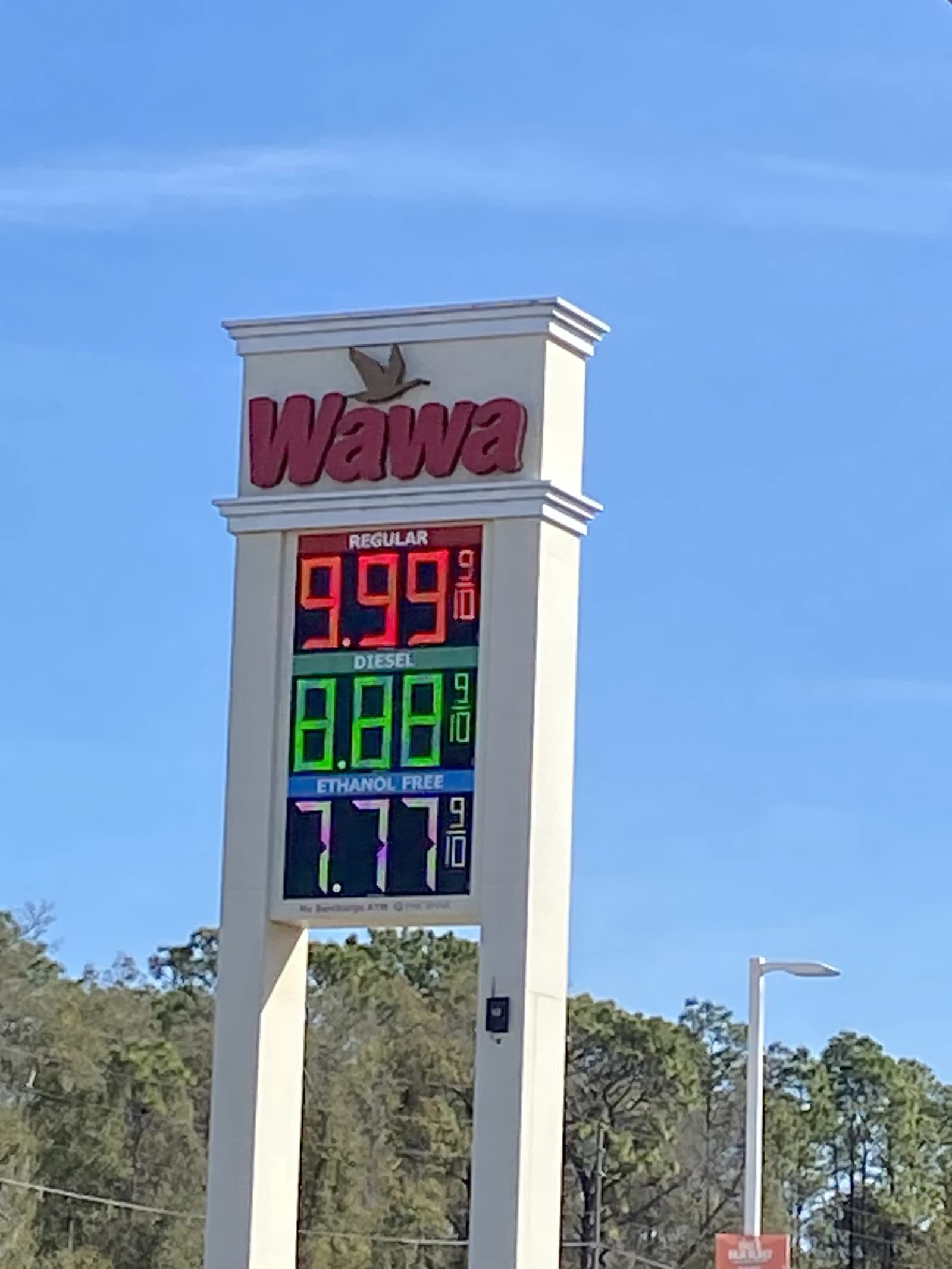
That matters for the economy because the vote comes amid higher living costs, rising fuel prices and a war with Iran that has already fed into energy markets. It also matters for investors because Congress will shape everything from fiscal policy and defense spending to sanctions, aid and the president’s room to maneuver on trade and foreign policy.
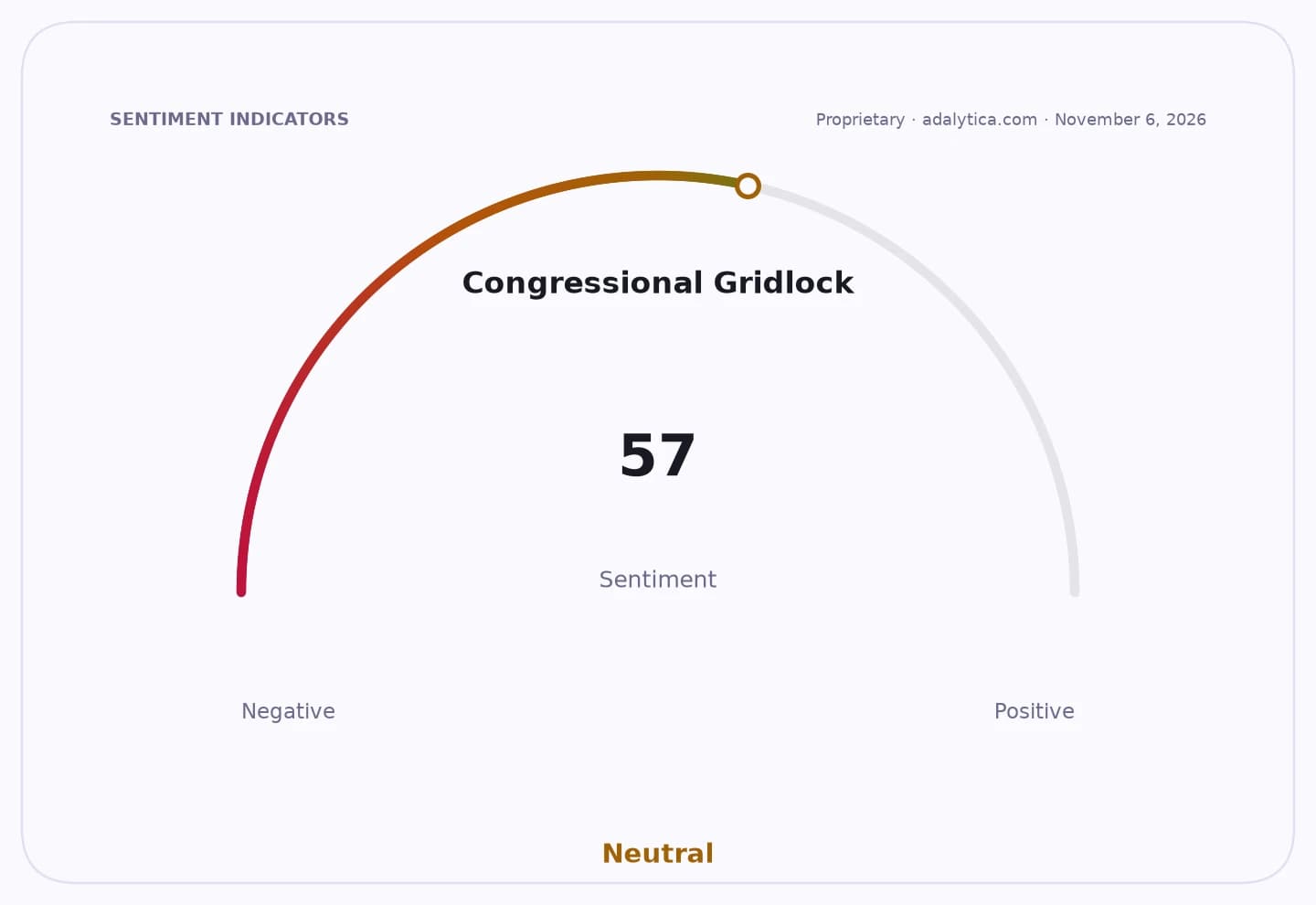
Sentiment Indicators
Polls suggest Democrats enter the election with the edge. A Reuters/Ipsos survey gave Trump a 32% approval rating, while 53% of likely voters said they favored Democrats versus 44% for Republicans. More than seven in 10 respondents said the cost of living is moving in the wrong direction. The macro backdrop is not helping the White House: annual inflation was 3.7% in September, gasoline prices jumped 9.1% in a month and payroll growth slowed to just 29,000 jobs while unemployment held at 4.2%.
For markets, the fight over Congress is not just a partisan scoreboard. A Republican hold would give Trump a friendlier legislature for a further two years, making it easier to advance tax cuts, spending measures and appointments. A Democratic takeover of the House would hand the opposition committee chairmanships and subpoena power, increasing the odds of investigations, funding fights and delays to the White House agenda. Taking the Senate would go further, threatening confirmation of judicial and executive nominees and altering the balance on oversight of war powers.
White House Policy Direction vs DJTadalytica.com
Explore this data interactively — full history, time series and cross-market comparisons.
The war dimension is especially important. The conflict with Iran has raised fuel costs through disruption risk in the Strait of Hormuz, and that link between geopolitics and household inflation is politically toxic for an administration already fighting perceptions that its policies are worsening the cost of living. Congress cannot single-handedly stop a war, but it can tighten the screws through appropriations, investigations and war-powers resolutions, and a Democratic Congress would have more leverage even if Trump retained the veto.
In that sense, the election is not only a test of Trump’s popularity but of how much policy continuity the market should price in. Republican control would imply less friction for defense spending and a more hawkish foreign-policy line. Democratic gains would raise the probability of gridlock, more oversight of military action and potentially more pressure on energy, sanctions and aid decisions. Either outcome carries trading implications for defense contractors, energy prices, Treasury supply and the broader risk premium tied to U.S. policy uncertainty.
The latest polling suggests the most likely result is a Democratic House and a tighter Senate race, with models giving Democrats a better-than-even chance to take the lower chamber and a realistic path to Senate control. That would not end Trump’s presidency, but it could sharply narrow its effective power and reshape the final two years around budget battles, war powers and investigations rather than unbroken policy execution.
| Entity | Gains | Losses |
|---|---|---|
| Democrats | ▲House control, oversight power | ▼Agenda concessions if Senate slips |
| Republicans/Trump | ▲Legislative support if they hold Congress | ▼Gridlock, subpoenas, war-powers limits |
| Defense contractors | ▲Higher hawkish spending under GOP control | ▼Scrutiny if Democrats win Congress |
| Consumers/importers | ▲Relief if fuel prices ease | ▼Higher costs if Iran war escalates |