Mortgage borrowing remains under pressure as the benchmark 30-year rate sits at 6.71%, keeping affordability tight and forcing lenders into a brutal competition for a smaller pool of buyers and refinance clients.
U.S. Mortgage Rates Stay Near 6.71%, Housing Weakens

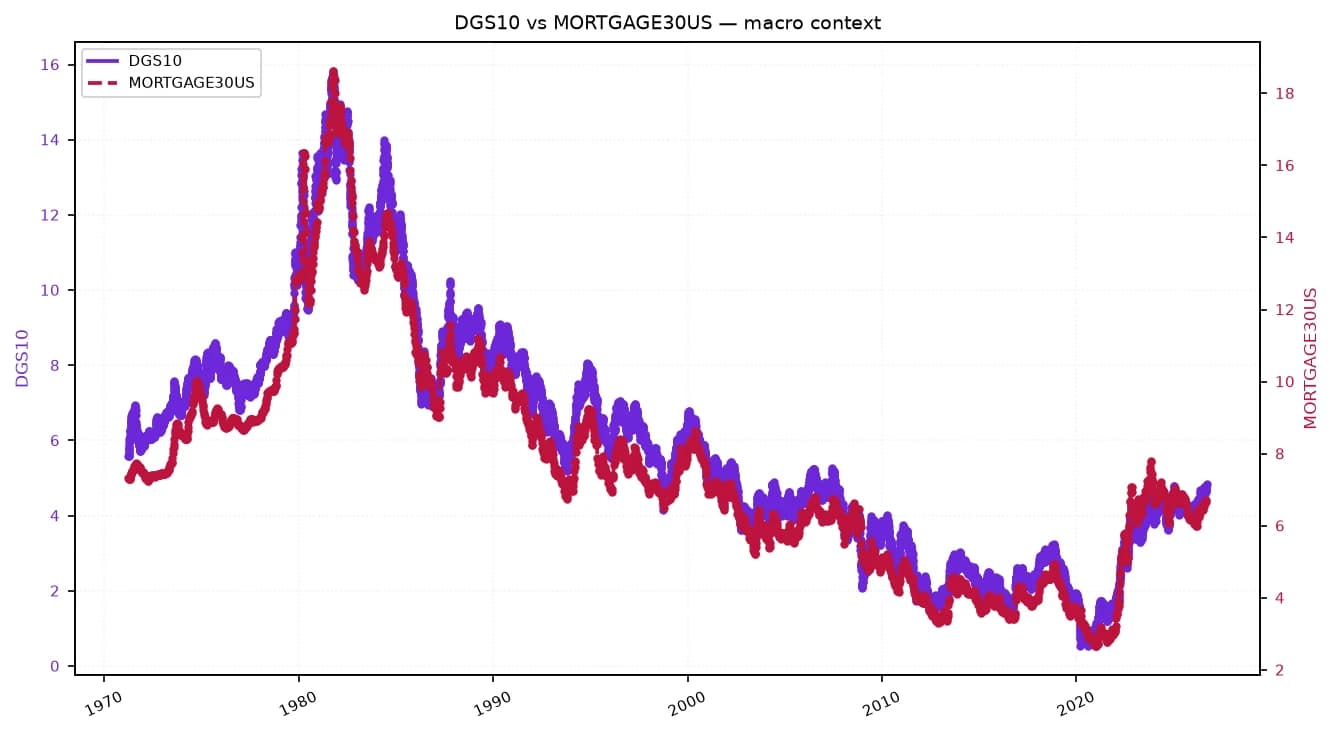
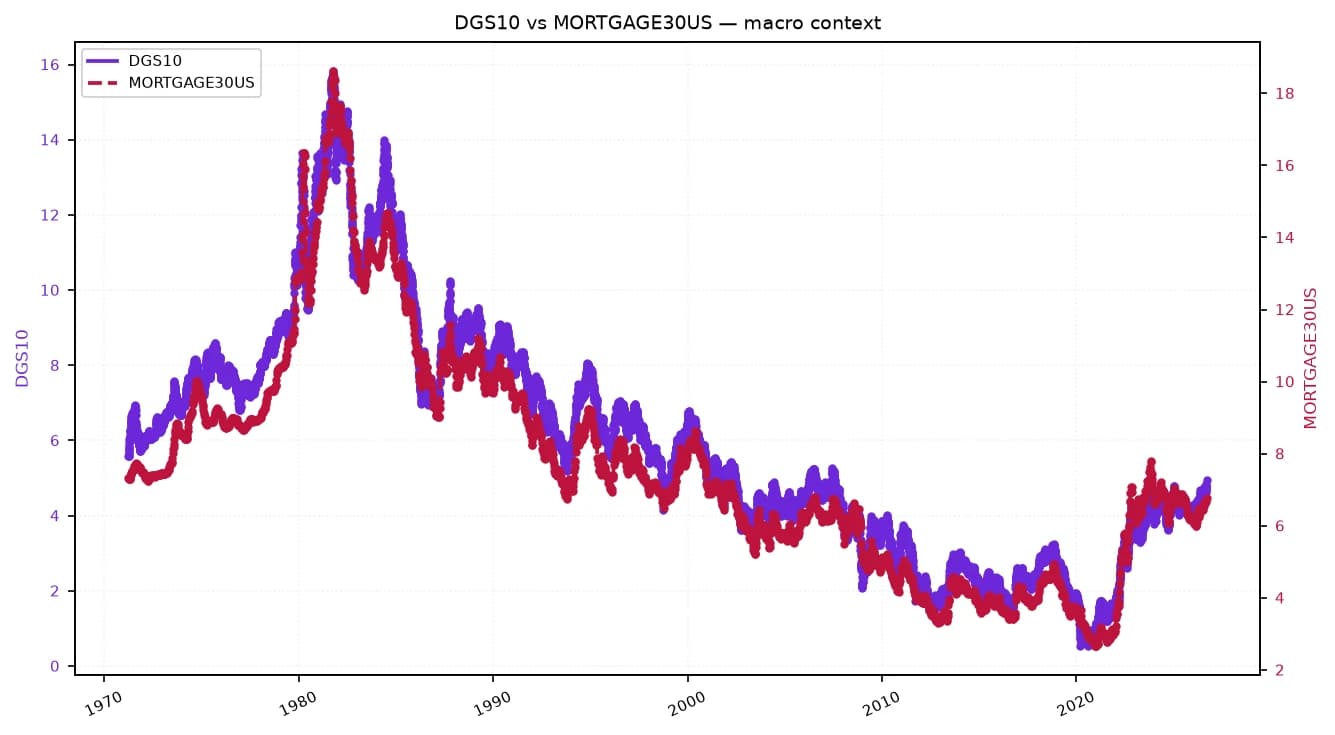
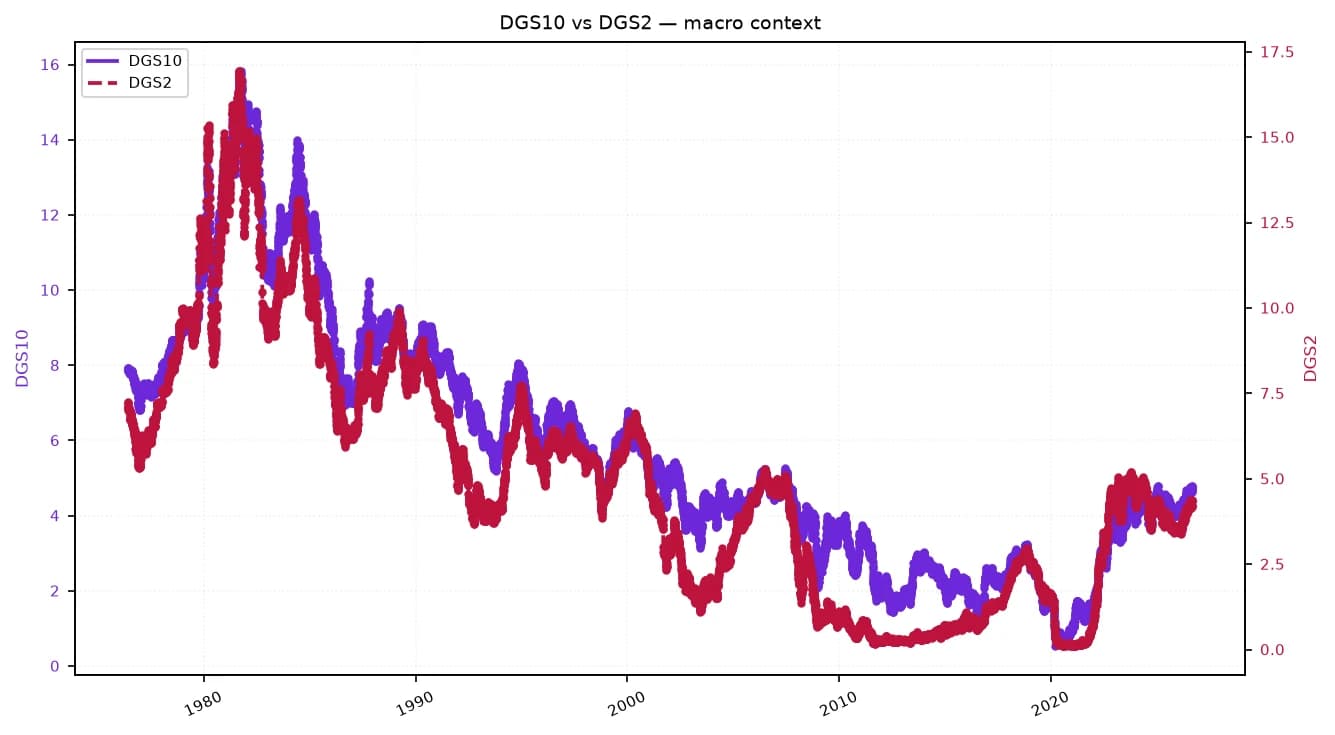
That matters because housing remains one of the clearest transmission channels for higher U.S. interest rates. The 10-year Treasury yield, a key benchmark for mortgage pricing, was forecast at 4.802% for Sept. 4, underscoring how bond-market volatility continues to feed directly into home-loan costs.
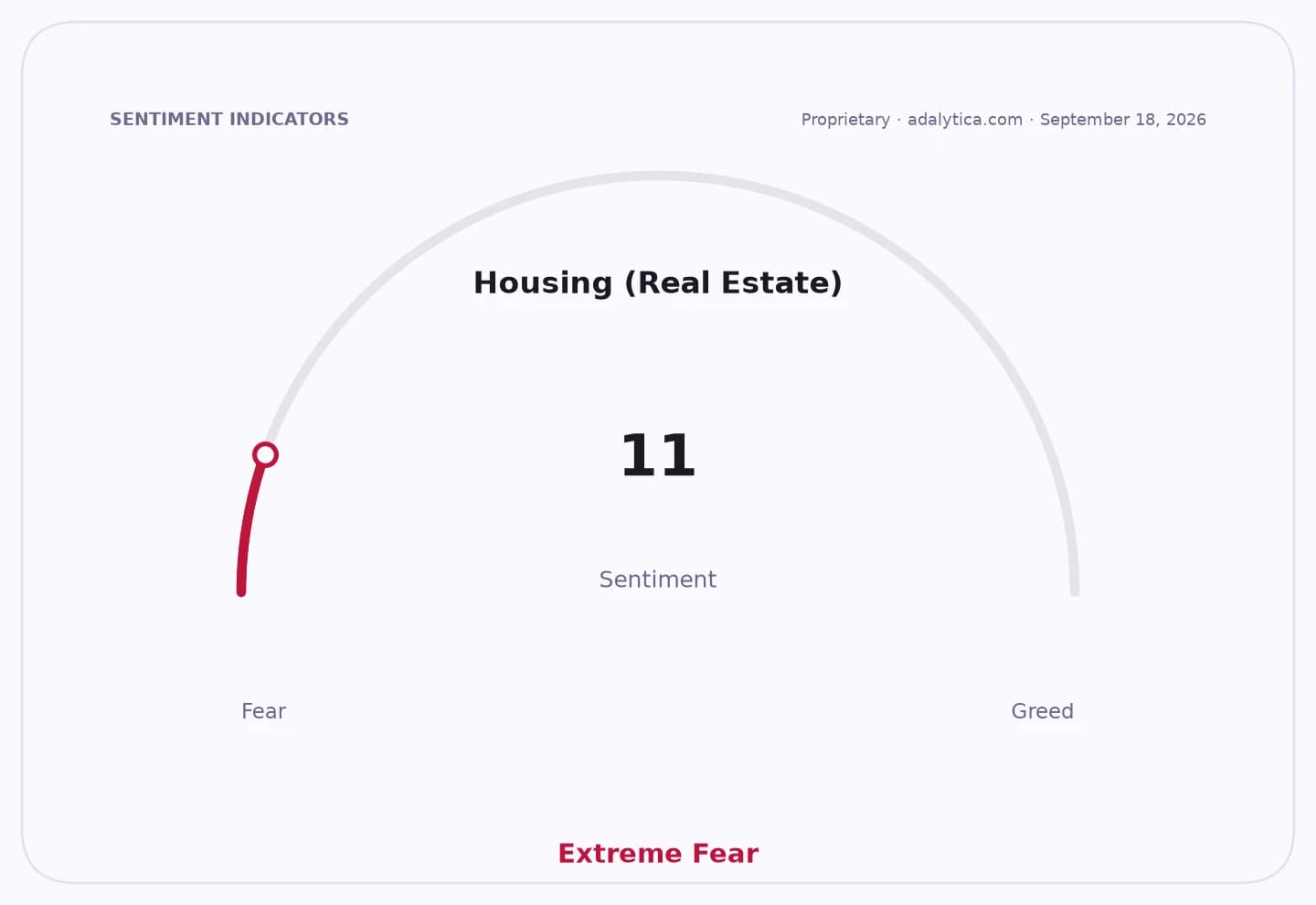
Sentiment IndicatorsⓘProprietary · adalytica.com · September 5, 2026
This is a snapshot — live sentiment, awareness and momentum for 130+ markets update continuously in the dashboard.Open AlphaPulse
The result is a housing market that is still weak even after pockets of rate relief. U.S. housing starts are forecast at 1.1849 million for August, down from 1.239 million in July, showing builders are not seeing enough sustained demand to justify a stronger pickup in construction.
For lenders, that means thinner margins, sharper pricing and a heavier reliance on refinance activity that has yet to meaningfully return. For borrowers, it means monthly payments remain elevated and first-time buyers stay sidelined unless prices or rates move lower.
The listed mortgage names are reflecting that strain. Rocket Companies has been drifting around $14, below its 50-day moving average and well under its 200-day average, while UWM Holdings has been hit harder, trading at $1.47 versus a 200-day average of $3.35. Both stocks are vulnerable to any further drift higher in Treasury yields or another setback in housing activity.
Adalytica’s U.S. Treasury Bonds Trade Signals snapshot remains neutral, but housing and rent inflation sentiment is at an extreme-greed reading, pointing to continued investor focus on how sticky shelter costs and higher-for-longer financing rates reshape the market.
The near-term catalyst is the next move in Treasury yields and mortgage pricing. Unless bond markets ease enough to pull rates meaningfully below the mid-6% range, New American Funding and other lenders are likely to face more pricing pressure and another quarter of subdued origination demand.
| Entity | Gains | Losses |
|---|---|---|
| Borrowers with cash | ▲Better negotiating power | ▼High monthly payments |
| Homebuyers | ▲Potential rate dip hopes | ▼Affordability squeeze |
| Mortgage lenders | ▲Rate-volume repricing | ▼Lower refinancing demand |
| RKT and UWMC shareholders | ▲Volatility trading opportunities | ▼Margin and volume pressure |