Home loan stress is still being driven less by who borrowers want to blame than by the market forces that set borrowing costs in the first place: a 10-year U.S. Treasury yield near 5%, a fed funds rate still at 3.88%, and mortgage-backed securities trading below their longer-run trend even after a recent rebound.
U.S. mortgage stress tied to Treasury yields
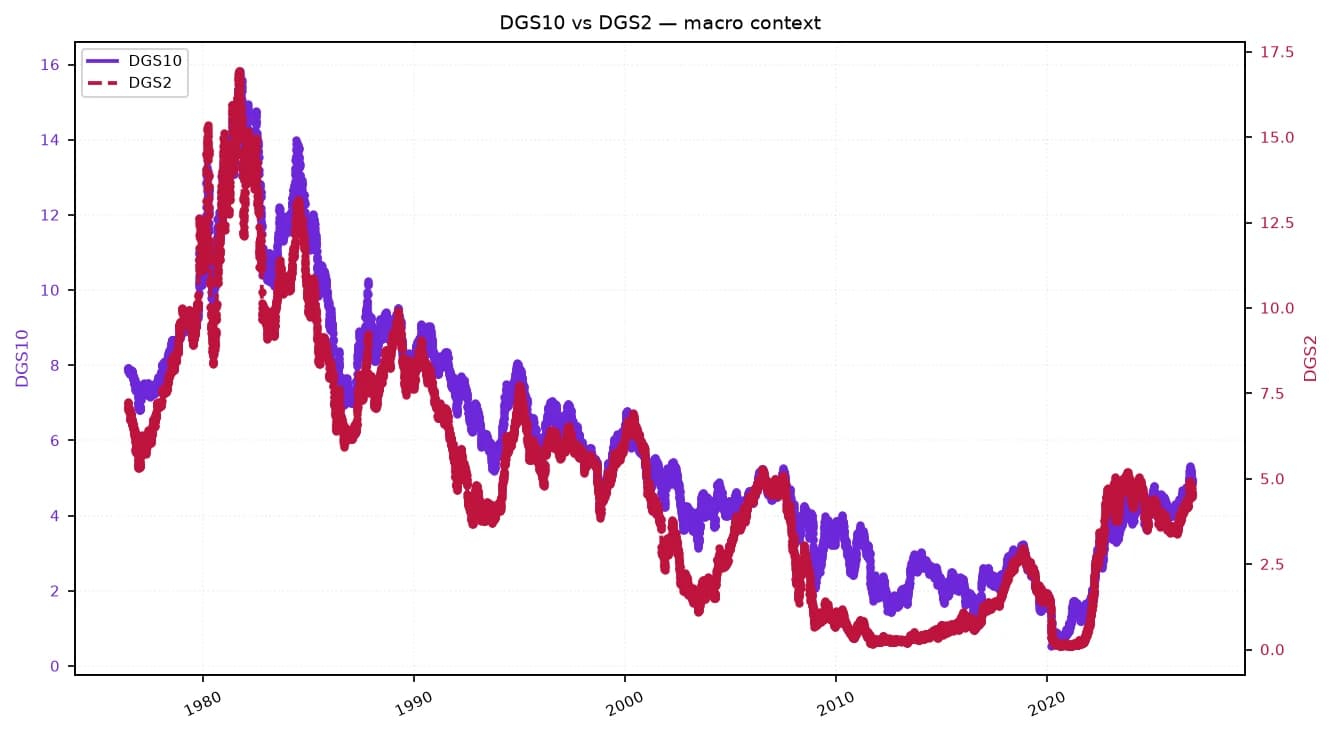
That matters because mortgage pricing is tied more closely to bond yields and central bank expectations than to any single politician. With the 10-year yield at 4.98% on Nov. 10 and forecast to ease only marginally to 4.952% the next day, borrowing costs remain elevated enough to keep monthly repayments under strain. The Fed’s policy rate, while down from its peaks, is still restrictive by historical standards, leaving little room for mortgage rates to fall quickly.
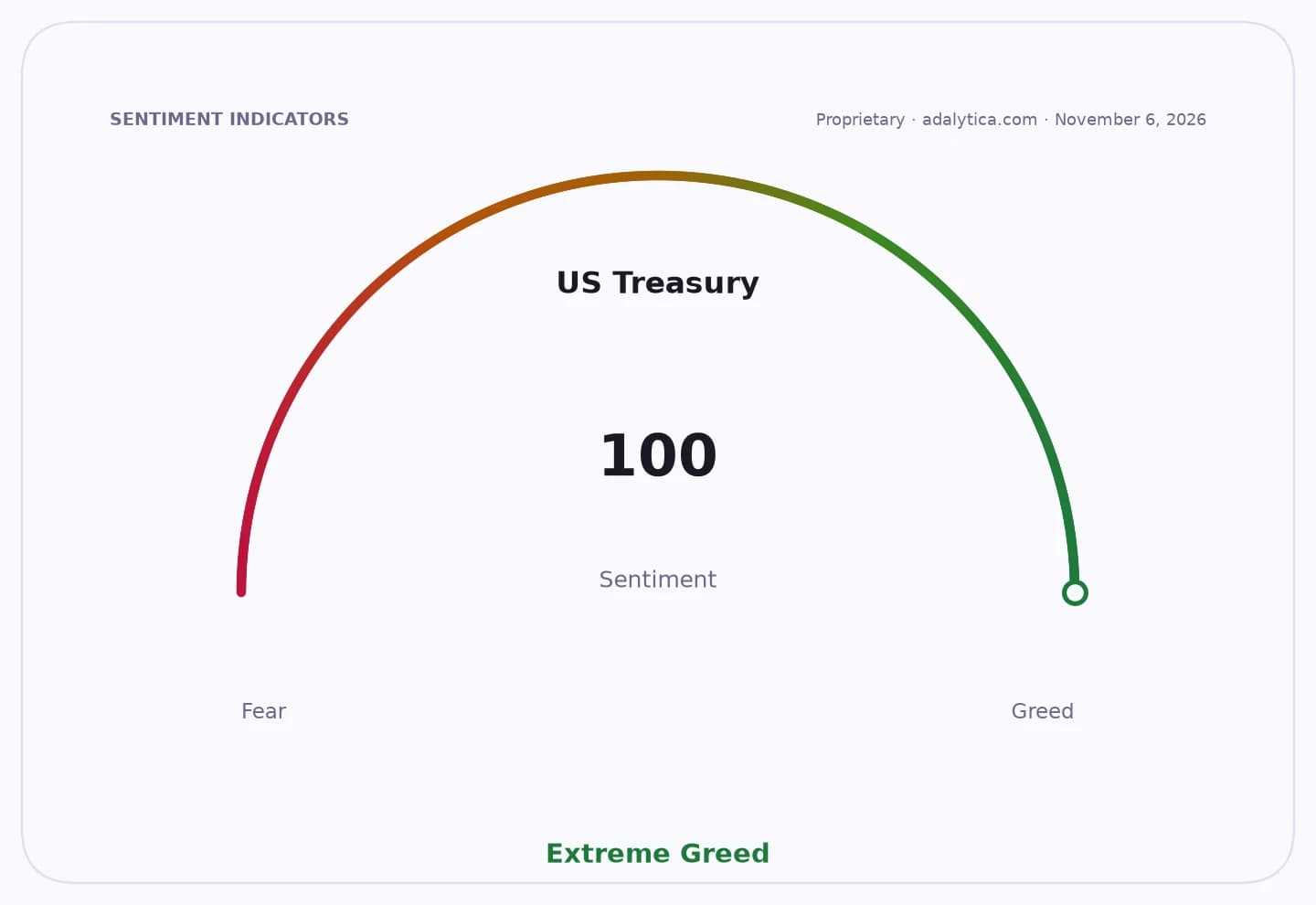
Sentiment Indicators
For borrowers, that means the pain is structural rather than temporary. Australian homeowners and U.S. borrowers alike are facing a world where refinancing relief is limited and fixed-rate resets can bite hard. The housing market is reflecting that pressure: the XHB homebuilders ETF has recovered from its September lows, but remains below its 200-day moving average, while mortgage bond proxy MBB is hovering around 90.39, only modestly above its 50-day average and still under its 200-day average. That points to a market that has stabilized, not one that is pricing an easy turn lower in mortgage costs.
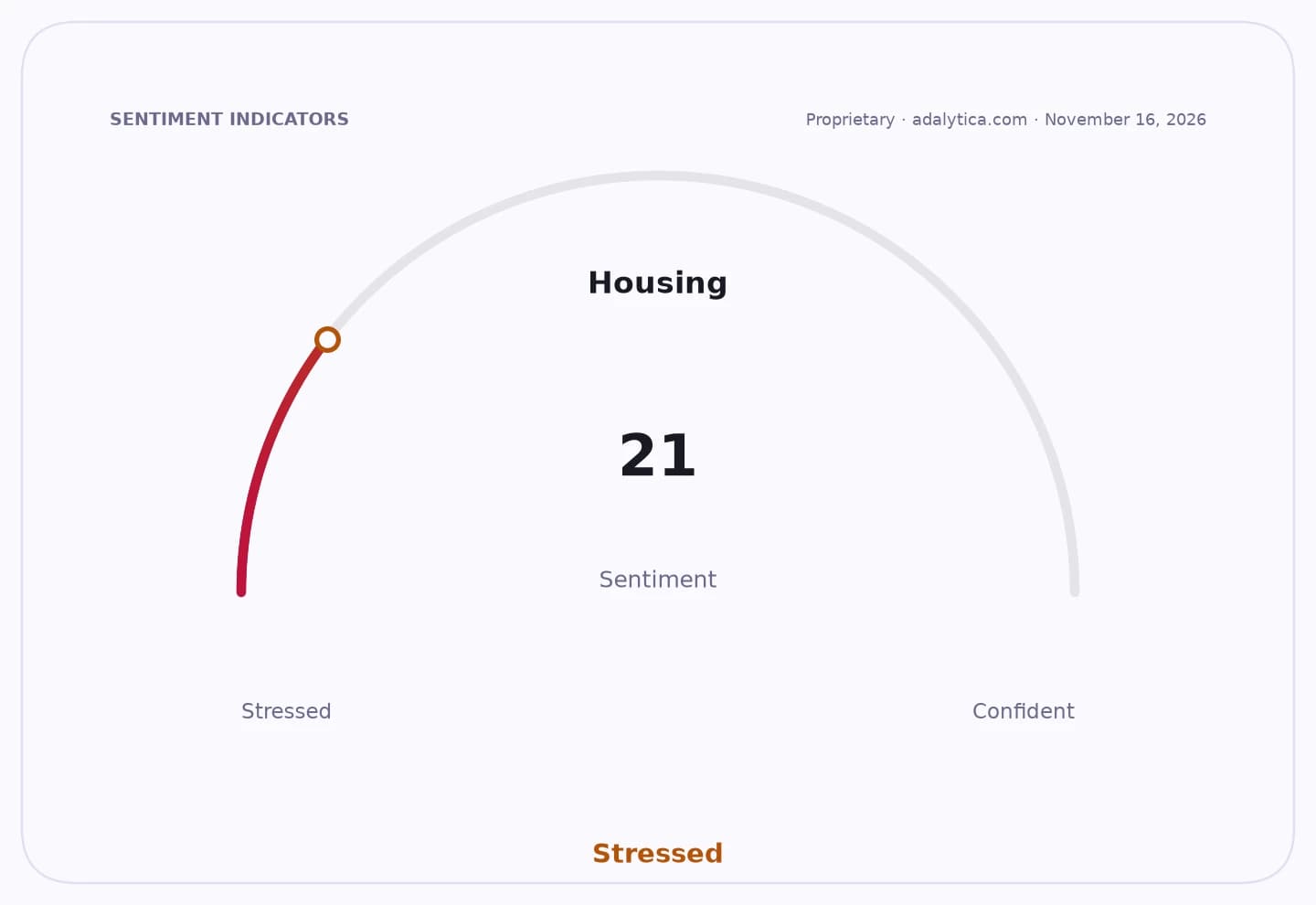
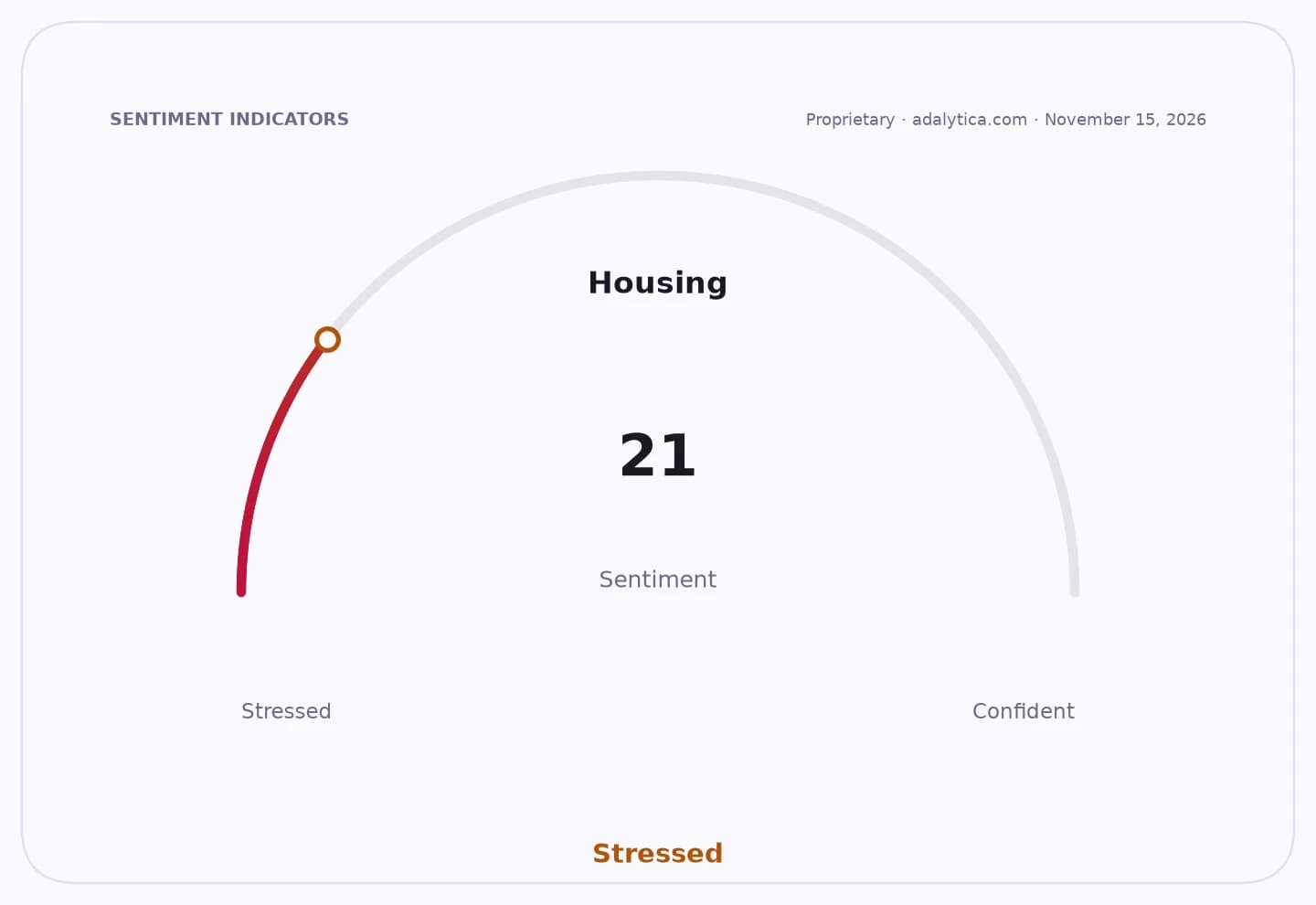
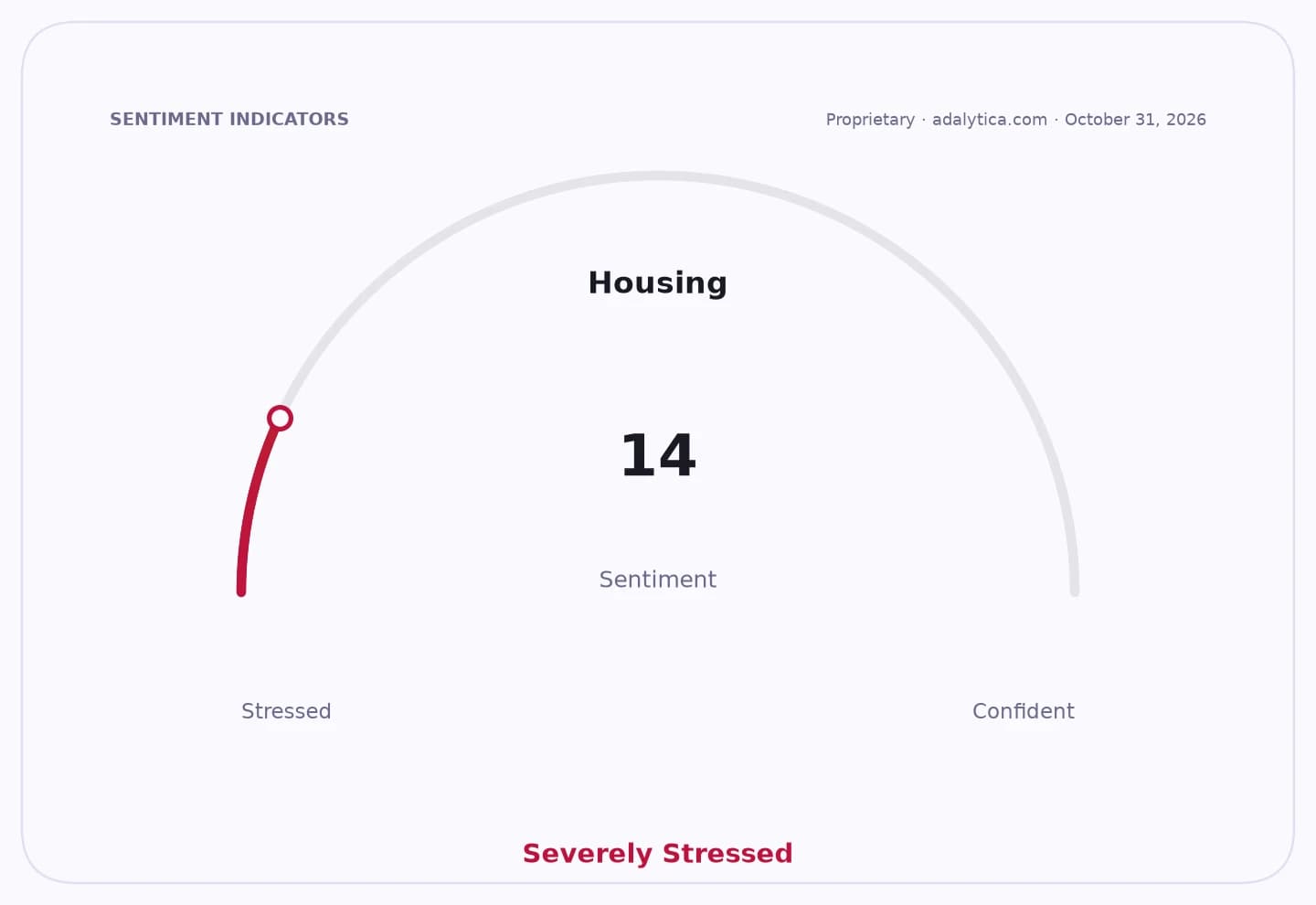
The political debate over whether Trump, Bullock, Chalmers or Albanese deserves the blame misses the transmission mechanism. Central banks set the short end, bond markets set the long end, and lenders pass those costs through to households. In the U.S., the fed funds rate forecast at 3.89% suggests policy is still tight enough to keep housing finance expensive. Globally, the persistence of higher yields is also feeding into housing inflation sentiment, which Adalytica’s HOURE gauge shows at 75, or “Greed,” even as awareness remains in “Extreme Fear” territory — a sign that households are still highly alert to mortgage stress.
For investors, the implications are mixed. Banks can benefit from higher yields and wider lending spreads, but mortgage origination volumes and refinancing activity stay constrained. Homebuilders may find support if yields ease further, but the technical picture suggests caution: XHB’s recent bounce has not yet reclaimed its longer-term trend. Mortgage-heavy lenders and securitizers are more exposed to any renewed rise in rates, while bond investors are watching whether Treasury yields can sustainably break lower.
The key question now is whether the next leg in mortgage relief comes from slower growth, softer inflation or a more dovish policy path. Until then, the squeeze on home loan borrowers is likely to remain a function of macro policy and bond-market pricing, not a single politician’s decision.
| Entity | Gains | Losses |
|---|---|---|
| Banks | ▲Wider lending spreads | ▼Slower mortgage volumes |
| Borrowers | ▲Lower rates if yields fall | ▼Higher monthly repayments |
| Homebuilders | ▲Easing yields support demand | ▼Weak affordability |
| Bond investors | ▲Higher carry | ▼Rate volatility |