The fallout from the Iran war is filtering into the US housing market by way of higher oil prices, firmer inflation expectations and a renewed rise in borrowing costs that is making home purchases more expensive just as many buyers had been betting on relief.
US housing market faces higher mortgage rates
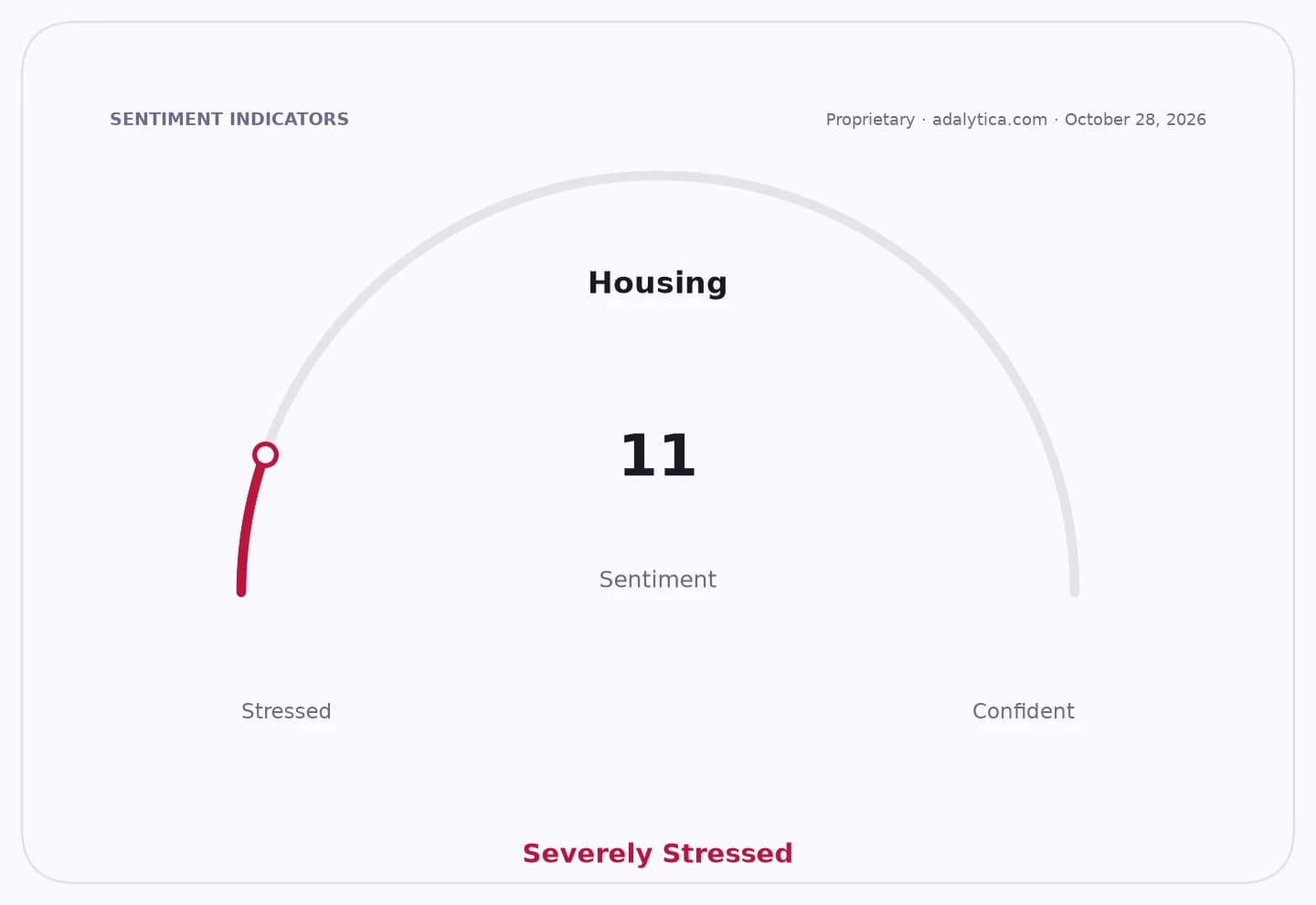
Housing
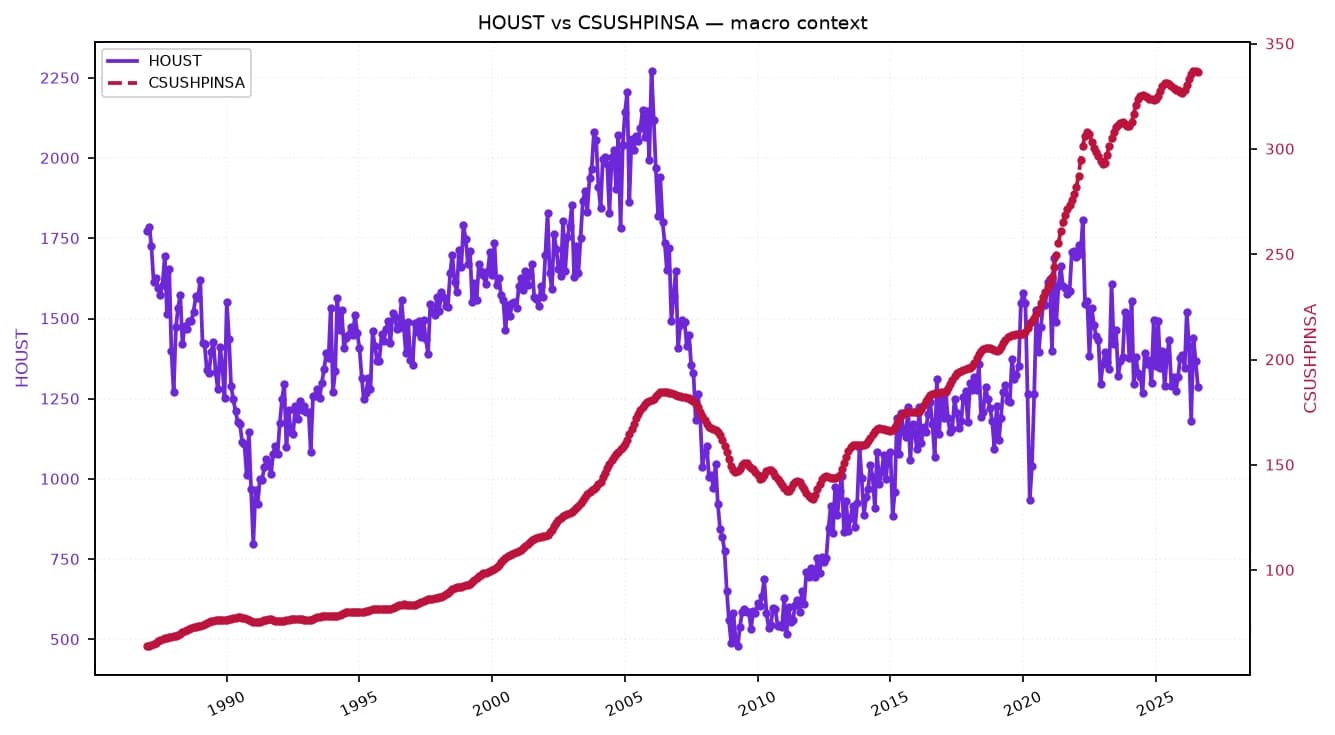
That matters because mortgage rates sit at the center of housing affordability, and when Treasury yields rise on inflation risk, they quickly lift the cost of home loans. For households already facing elevated home prices, even a modest move in financing costs can push a purchase out of reach, delay transactions and slow demand across the broader housing market.
Sentiment Indicators
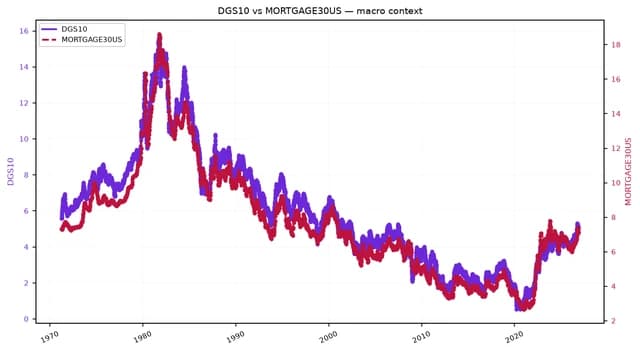
Freddie Mac data show the average rate on a 30-year fixed mortgage was 7.24% on Oct. 29, up from 6.17% a year earlier. A 30-year loan of $400,000 at 6.5% carries a monthly payment of about $2,528, while the same loan at 7.5% would cost roughly $2,797, or $269 more each month and more than $3,000 a year. Over the life of the loan, the difference amounts to nearly $97,000.
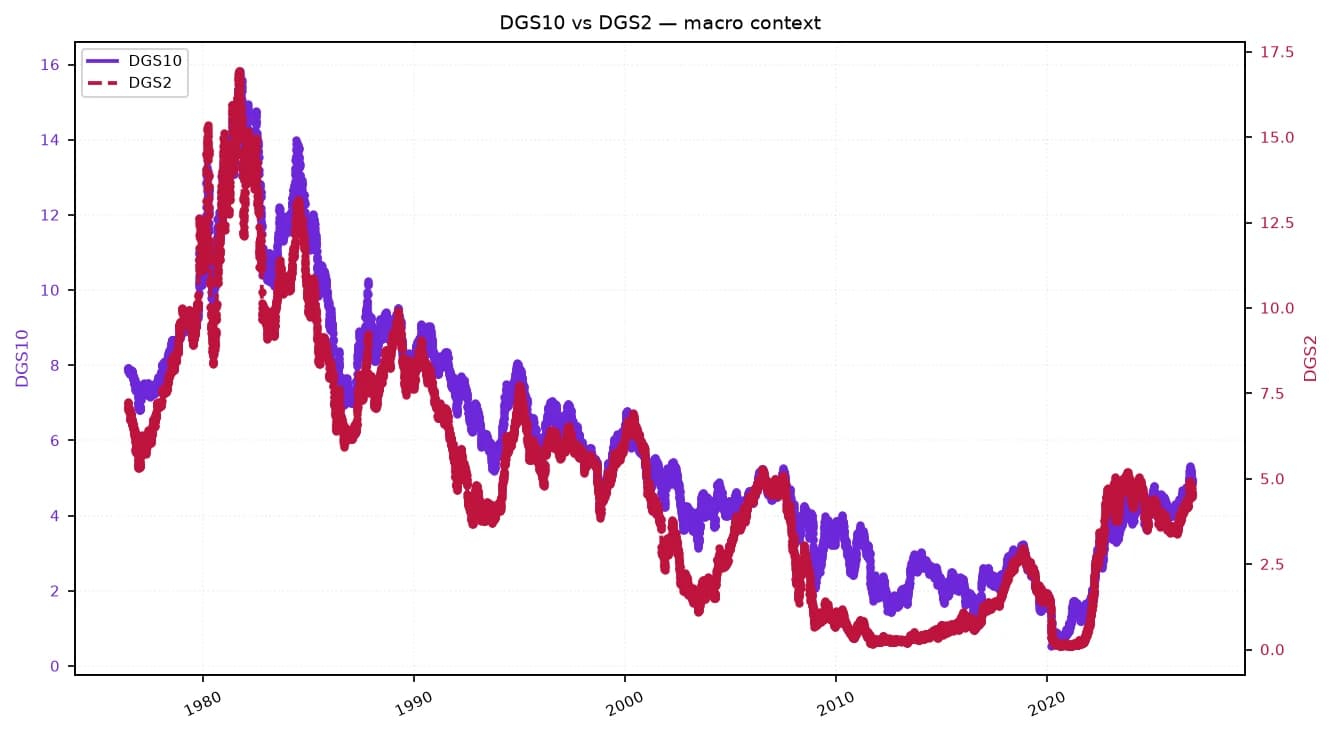
The transmission mechanism runs through energy markets and US rates. Fears of supply disruption in the Middle East have pushed oil prices higher, adding to transportation and production costs and stoking concern that inflation will stay sticky. Investors then demand higher yields on US Treasuries to protect purchasing power, and mortgage rates, which are closely linked to those yields, move up with them.
That leaves buyers facing a difficult calculus. Waiting for rates to fall can backfire if borrowing costs dip only briefly before rising again while the loan is still being processed. The risk is especially acute in a market where homes are already expensive and a half-point increase can be the difference between qualifying for a loan and getting priced out.
The bond market’s response is not one-way. In a geopolitical shock, investors often buy Treasuries as a haven, which can pull yields lower. But when the same shock raises energy costs and inflation risk, yields can climb instead, as they are doing now. Adalytica’s Housing and Rent Inflation gauge sits at 21, in “Fear,” while its US Treasury Bonds Trade Signals indicator is at 3, or “Extreme Fear,” underscoring the tension between safe-haven demand and inflation anxiety.
The pressure is already visible in housing-related assets. The iShares MBS ETF, or MBB, has been trading below its 200-day moving average, while the iShares U.S. Home Construction ETF, XHB, remains volatile despite a recent rebound. That suggests investors are still weighing whether higher financing costs will simply slow activity or start to erode pricing power and earnings across mortgage lenders, homebuilders and housing-adjacent firms.
For investors, the key question is whether the Iran shock becomes a temporary rates scare or a more persistent inflation impulse. If oil prices stabilize, mortgage rates could ease and some demand may return. If energy costs remain elevated, the housing market could face a longer period of affordability stress, weaker transaction volumes and more downside for builders, lenders and mortgage-backed securities.
| Entity | Gains | Losses |
|---|---|---|
| Oil producers | ▲Higher crude prices | ▼— |
| Treasury holders | ▲Safe-haven bid | ▼Rate-sensitive borrowers |
| Homebuyers | ▲— | ▼Higher monthly payments |
| Homebuilders and lenders | ▲— | ▼Slower demand, fewer transactions |