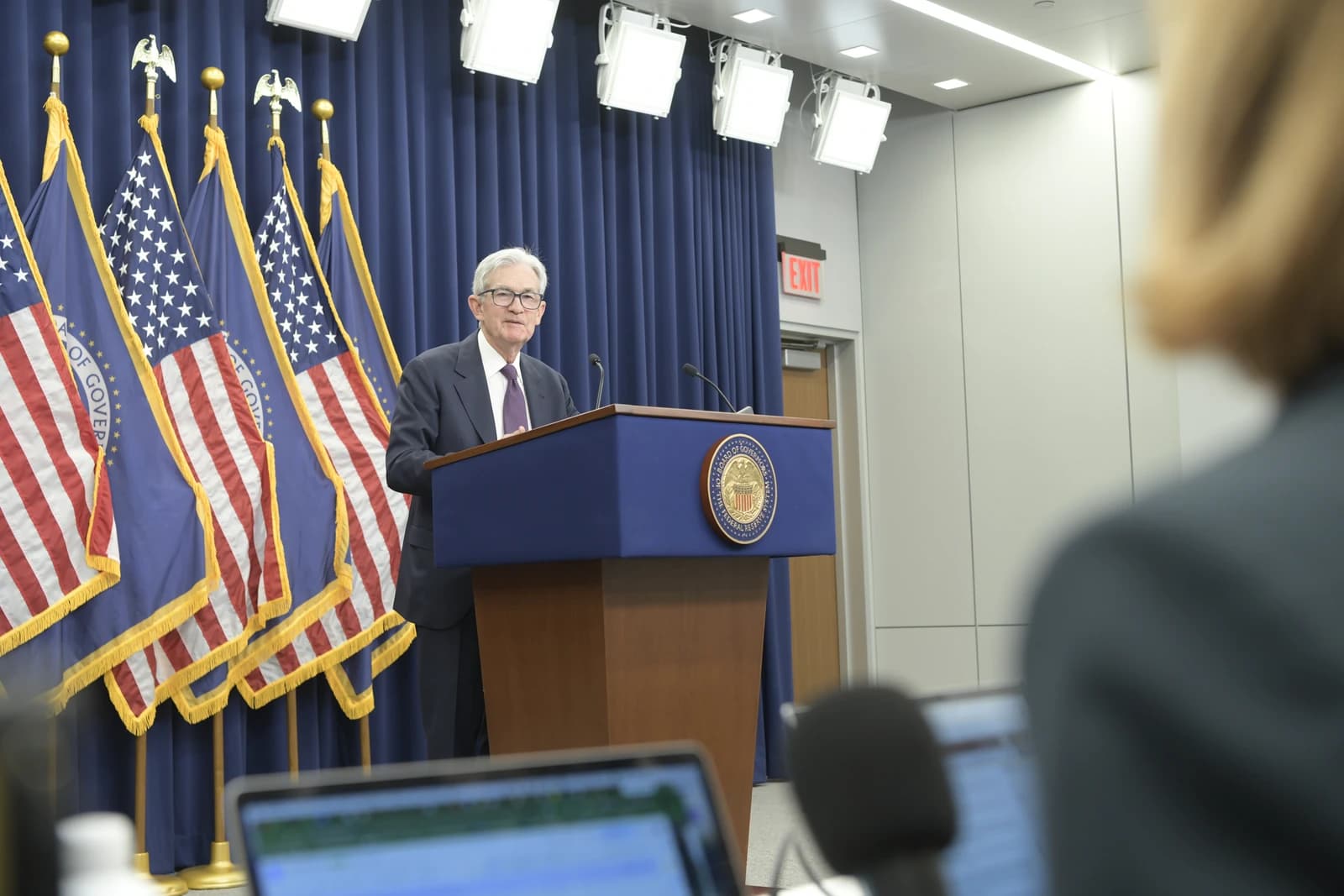
The Trump administration has started returning about $100 billion in tariff refunds after a Supreme Court ruling struck down the levies, a policy reversal that could ease costs for importers, improve cash flow for affected companies and shift some of the burden back onto the federal budget.
U.S. refunds $100 billion in tariff payments
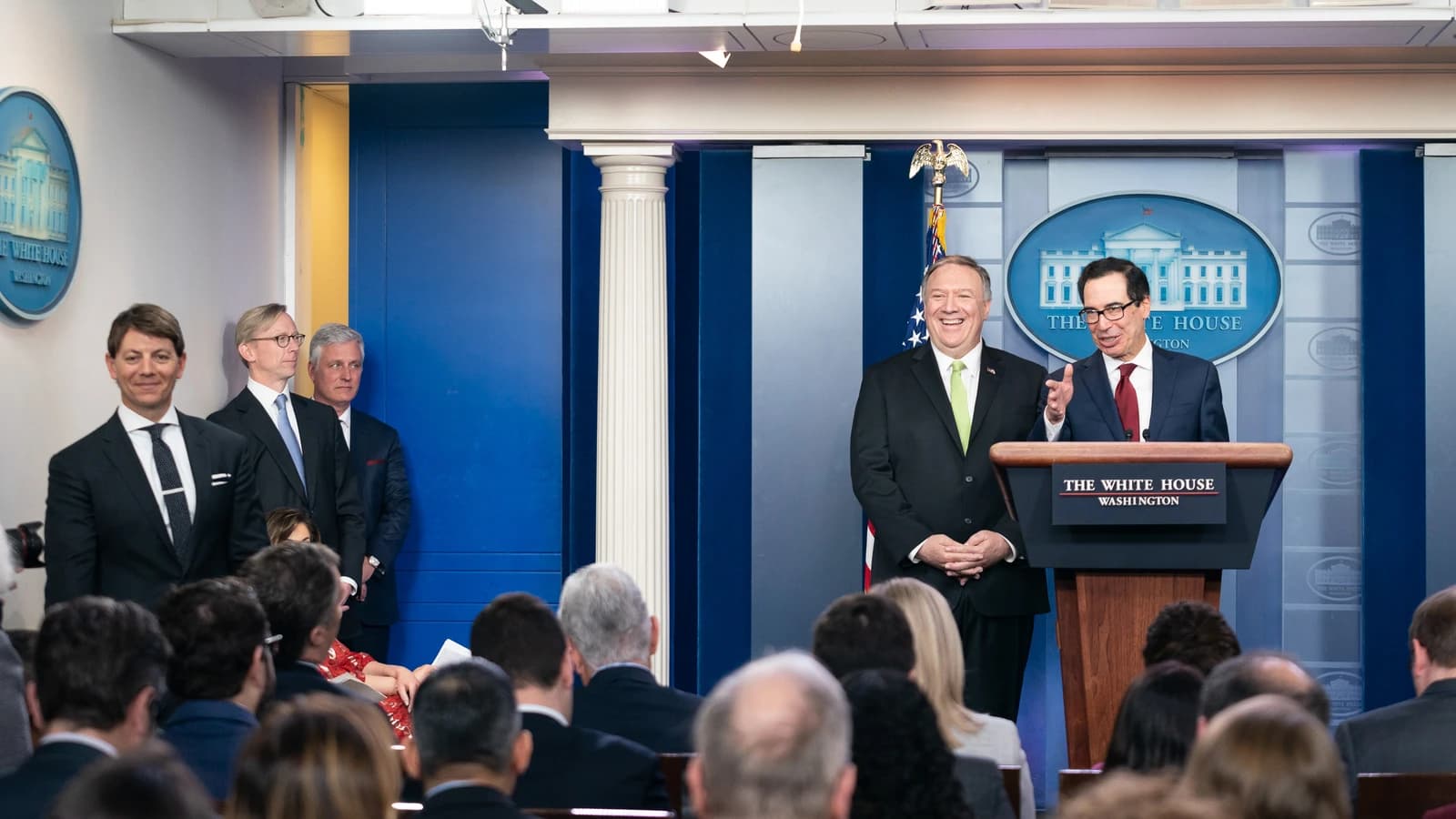
The refunds matter because tariffs acted like a tax on U.S. businesses and consumers, raising input costs across supply chains and forcing companies to absorb or pass through higher prices. Reimbursing those payments removes a distortion that had been baked into pricing decisions for months and may lower working capital needs for firms that had prepaid duties on inventories and goods in transit.
Sentiment IndicatorsⓘProprietary · adalytica.com · August 9, 2026
This is a snapshot — live sentiment, awareness and momentum for 130+ markets update continuously in the dashboard.Open AlphaPulse
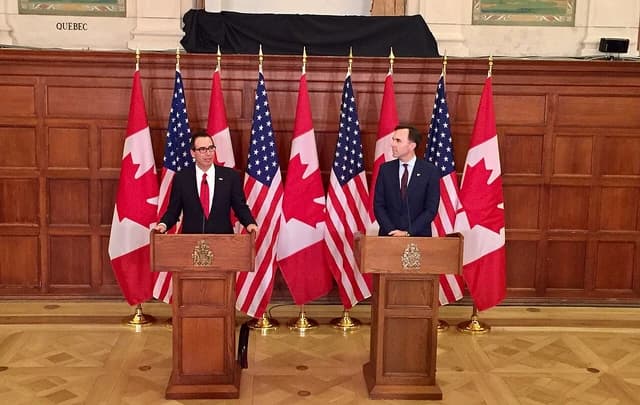
For investors, the payout is not just a legal formality. It creates a potential earnings tailwind for import-heavy sectors — from retailers and industrial distributors to consumer brands — if companies book the refunds and choose not to hold pricing firm. It also raises the question of how much of the benefit reaches end customers versus remaining on corporate balance sheets, a point Senator Elizabeth Warren highlighted when she urged companies to pass savings along.
The move also carries macro significance. Tariffs had functioned as an inflationary pressure point by lifting the cost of imported goods. Their removal, along with the refunding of collected duties, should marginally reduce price pressure at the margin, even if the effect is uneven and delayed depending on inventory cycles and contract structures. That backdrop helps explain why the Treasury market has been firm: the 10-year Treasury yield was around 4.63% on the latest reading, the 2-year near 4.20%, while the bond ETFs TLT and IEF traded near 82.76 and 93.17, respectively, with both still below their 50-day averages, suggesting investors remain cautious but sensitive to any improvement in the inflation outlook.
The market reaction has been mixed rather than decisive. Treasury bonds have drawn renewed interest, with an Adalytica sentiment gauge showing “Greed” for TLT and “Extreme Greed” for the dollar, while the S&P 500 signal also remains in “Extreme Greed.” That combination points to a market that is still leaning risk-on, but with bond investors alert to policy reversals that could trim inflation expectations and support duration assets.
The refund process also underscores the federal government’s exposure when trade policy is overturned. Returning $100 billion is a fiscal hit at a time when debt management remains central to Treasury operations and refunding needs are large. That leaves investors watching not only the legal and political fallout, but also whether the Treasury’s financing plans need to absorb any additional pressure from the reversal.
For now, the key issue is who captures the cash. Companies that paid the tariffs may get a balance-sheet boost, but the broader economic benefit depends on whether refund money is used to rebuild margins, lower prices or fund investment. If firms keep prices elevated, consumers see little relief; if they cut prices, the inflation drag from the tariffs fades faster. That choice will shape both the earnings impact and the policy debate around whether the trade war’s costs are being fully unwound.
| Entity | Gains | Losses |
|---|---|---|
| Importers | ▲Cash refunds, improved liquidity | ▼Administrative burden |
| Consumers | ▲Lower prices if savings passed through | ▼Little benefit if firms keep margins |
| U.S. Treasury | ▲None | ▼$100 billion fiscal outflow |
| Bond investors | ▲Potentially lower inflation pressure | ▼Less tariff-related carry in prices |