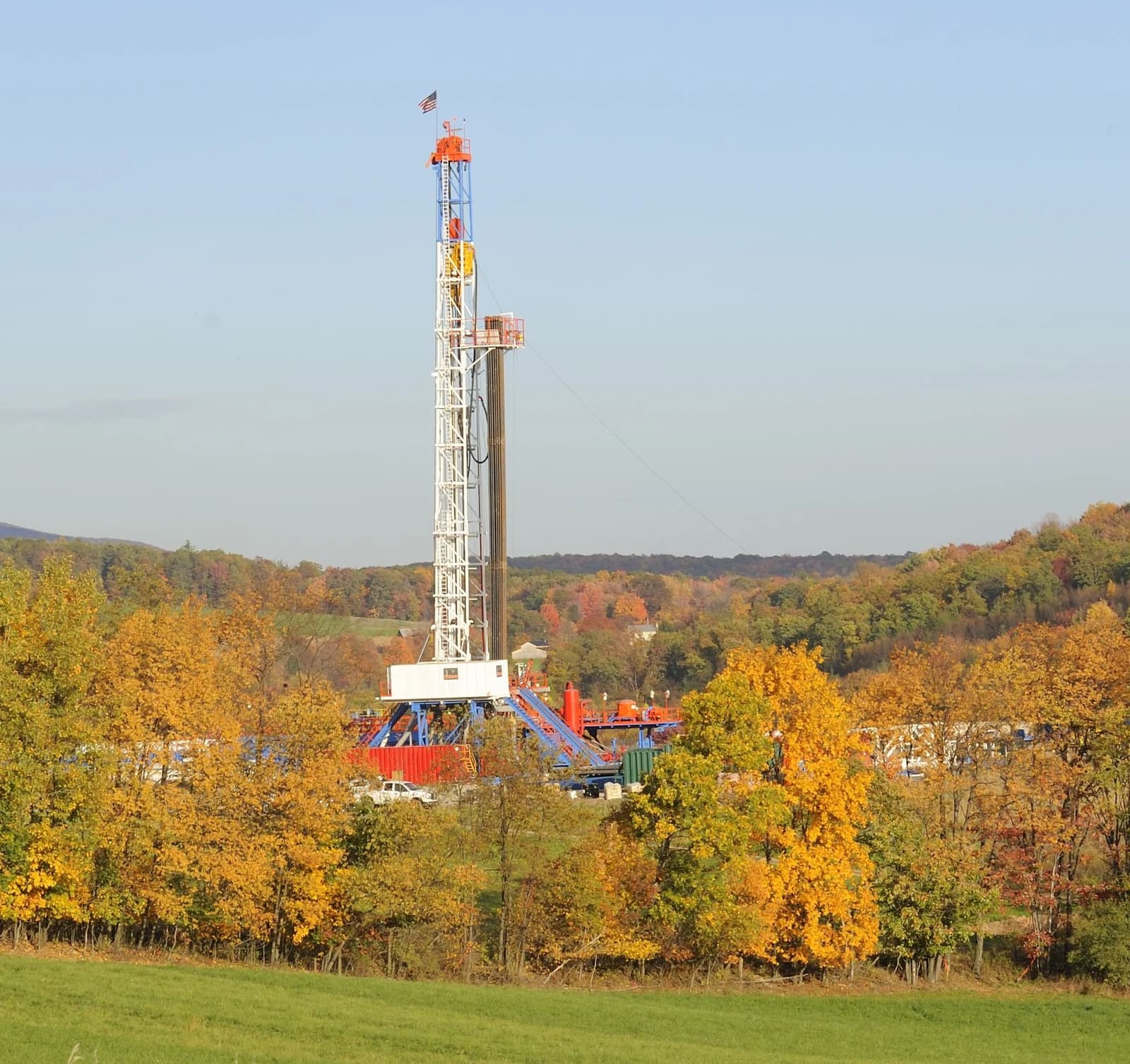
The U.S. Senate’s passage of a landmark permitting bill could become one of the most important energy-policy shifts in years, because it targets the bottleneck that has delayed pipelines, power lines, oil and gas projects and even the grid upgrades needed for the broader energy transition.
U.S. Senate permitting bill boosts energy projects
That matters far beyond Washington. Faster approvals can turn more projects into cash-generating assets sooner, lifting expected returns for producers, drillers, equipment suppliers and utilities while also easing one of the biggest constraints on U.S. energy supply growth. For investors, the implication is simple: when permitting gets easier, capital spending gets more productive.
Sentiment Indicators
The market has already been leaning into that possibility. Energy has been one of the stronger pockets of the market this year, and the recent pullback in broad energy funds such as the Energy Select Sector SPDR ETF and the SPDR S&P Oil & Gas Exploration & Production ETF has left those names off their highs even as the longer-term policy backdrop improves. The sector’s move has also come alongside a U.S. 10-year Treasury yield near 4.9%, a level that keeps financing expensive and makes faster project timelines even more valuable.
The economic logic is straightforward. The U.S. still needs more infrastructure to move oil, gas and electricity from where it is produced to where it is consumed. Permitting delays inflate costs, strand capital and slow the pace at which companies can bring new production online. A bill that trims those delays can improve supply responsiveness, reduce project uncertainty and support domestic energy investment at a time when industrial output is still only gradually improving.
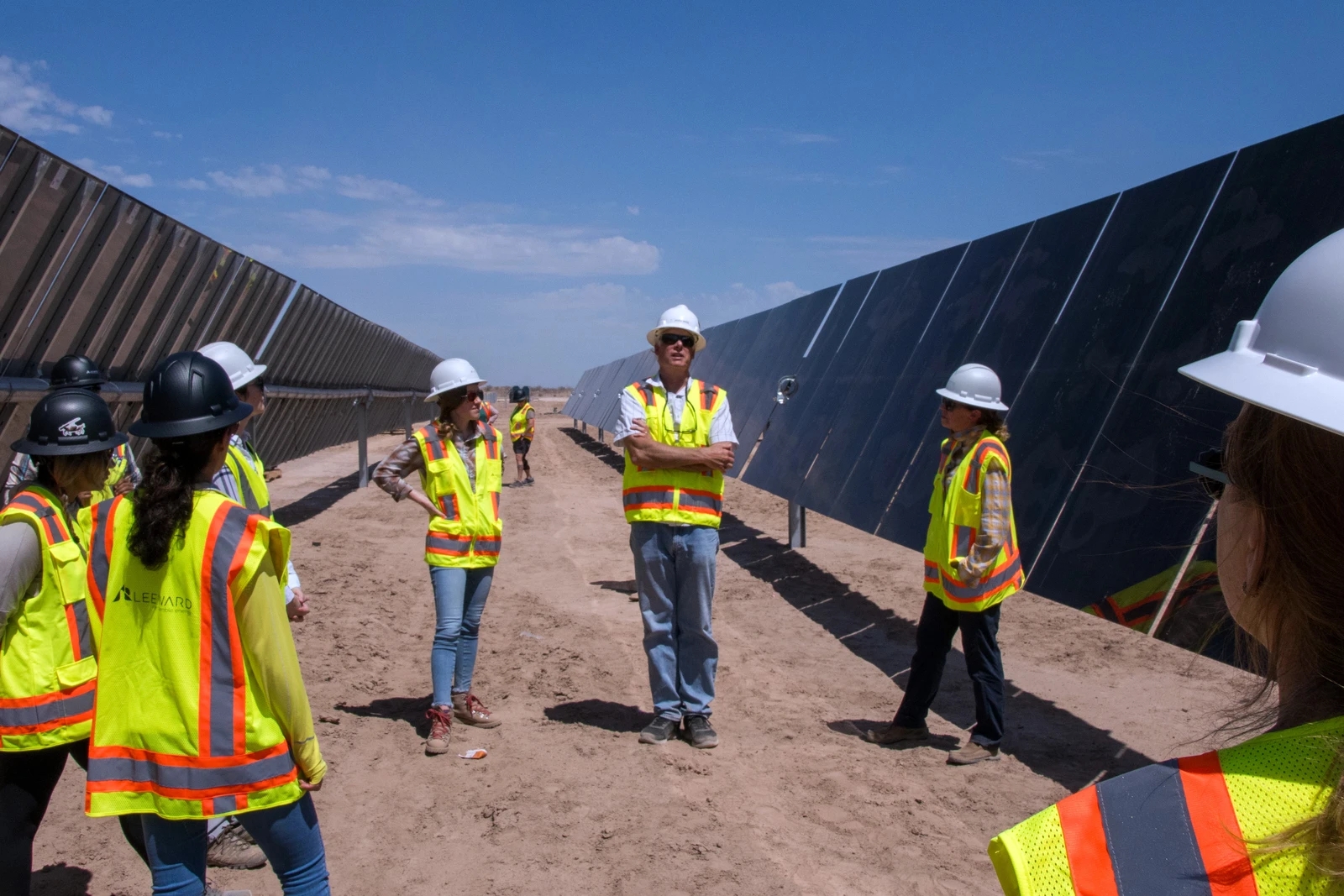
That is why the policy change resonates across the energy complex. Oil and gas producers gain from a better chance to develop acreage and expand takeaway capacity. Midstream companies benefit if pipelines and export infrastructure move through the approval process faster. Service companies win if customers can commit to drilling and development plans with more confidence. Even renewable developers stand to benefit, since transmission lines and grid interconnections remain critical chokepoints for wind, solar and storage projects.
The long-term investment case is not just about higher commodity volumes. It is about capital efficiency. When permits take less time, companies can deploy money into projects with clearer payback periods and less regulatory drift. That can support free cash flow, bolster returns on invested capital and, over time, improve shareholder returns across the sector. It also helps the U.S. compete for energy investment at a moment when global supply security remains a strategic priority.
Still, the bill’s passage is not the same as immediate relief. Implementation can be slowed by politics, litigation and state-level opposition, and energy names will still be shaped by crude prices, interest rates and demand trends. But investors with a three- to 10-year horizon should see the Senate vote as a real structural positive, not just a one-day headline.
For long-term investors, the takeaway is to treat easier permitting as a durable tailwind for U.S. energy production and infrastructure. It is the kind of policy change that does not always make headlines for long, but can quietly improve the compounding power of the sector for years.
| Entity | Gains | Losses |
|---|---|---|
| U.S. energy producers | ▲Faster project approvals | ▼Fewer delays |
| Midstream and pipeline firms | ▲Better infrastructure buildout | ▼Less permitting friction |
| Renewable developers | ▲Quicker grid connections | ▼Slower interconnection bottlenecks |
| Local opponents of projects | ▲— | ▼Less leverage in approvals |