The U.S. Senate has approved the start of debate on a new sanctions bill targeting Russia, setting up a fresh economic squeeze on Moscow just as markets continue to price in geopolitical risk through higher oil and gold.
US Senate advances Russia sanctions bill; USO at 129.31
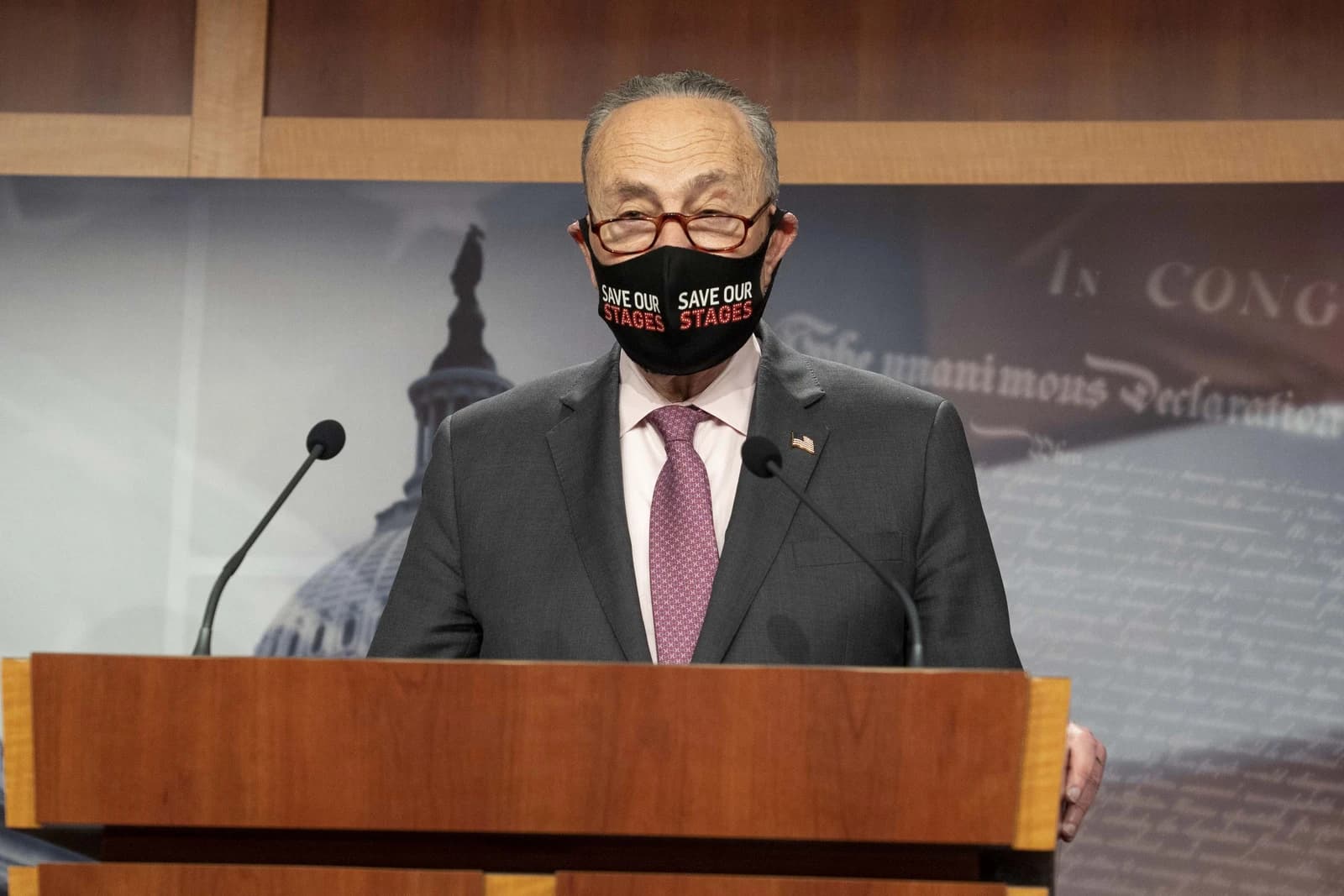
The move matters because sanctions can tighten the flow of Russian energy, raise compliance costs for traders and shippers, and keep a floor under commodity prices even when broader risk appetite improves. It also signals that Washington is prepared to keep escalating financial pressure on the Kremlin while the war in Ukraine drags on.
Sentiment IndicatorsⓘProprietary · adalytica.com · July 30, 2026
This is a snapshot — live sentiment, awareness and momentum for 130+ markets update continuously in the dashboard.Open AlphaPulse
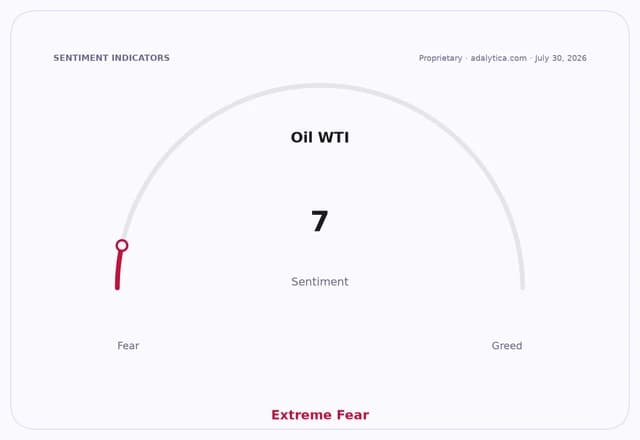
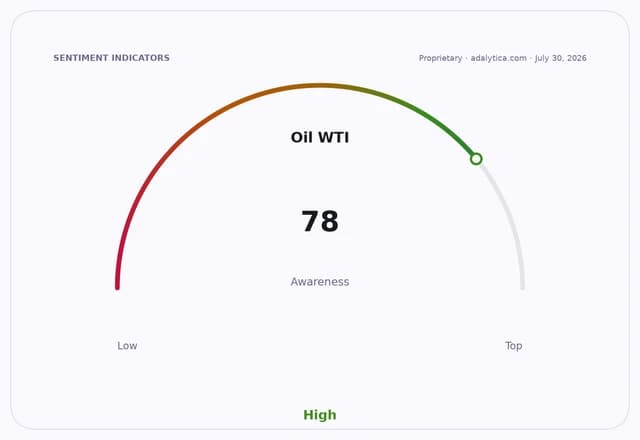
For investors, the biggest transmission channel is energy. U.S. oil ETF USO has risen to 129.31, up sharply from 112.21 earlier this month, while the energy sector ETF XLE is trading at 58.65, near its recent highs. That suggests traders are leaning into the possibility of tighter supply, more disrupted trade flows or simply a longer geopolitical premium in crude.
Gold is catching a similar bid. GLD closed at 371.08 after touching levels near its recent range highs, reflecting demand for havens as the sanctions debate advances and the market weighs retaliation risks. Adalytica’s Gold Fear & Greed Index shows sentiment at 83, while its Global Stability Sentiment gauge is at 82, underscoring a market environment still tilted toward geopolitical caution.
Geopolitical Risk — 30-day sentimentadalytica.com
Explore this data interactively — full history, time series and cross-market comparisons.Open AlphaPulse
The Senate action comes after Ukraine said it reached a deal with the U.S. to co-produce Patriot missile defense systems, a sign the military and economic support for Kyiv is deepening. That combination raises the odds that Russia faces not just battlefield pressure but a broader economic and financial drag from the West.
The next catalyst is whether the Senate moves quickly to final passage before the August recess and whether any sanctions package is broad enough to hit Russian energy revenues or secondary buyers. If it does, energy markets, tanker flows and gold could stay bid, while companies exposed to Russian trade face another round of volatility.
| Entity | Gains | Losses |
|---|---|---|
| US lawmakers | ▲Pressure on Moscow | ▼Higher geopolitical stakes |
| Russia | ▲None | ▼Tighter sanctions, trade friction |
| Oil and gold bulls | ▲Haven and supply-risk bids | ▼None |
| Energy importers and traders | ▲None | ▼Higher volatility, tighter flows |