The U.S. Senate’s passage of a stopgap spending bill without President Donald Trump’s policy demands lowers the immediate odds of a federal shutdown, but it also underscores how fragile the budget process remains heading into the next funding fight.
U.S. Senate passes stopgap bill, lowers shutdown odds
For markets, the bill matters less as a legislative milestone than as a near-term risk filter. A clean short-term extension keeps federal agencies open and limits the chance of a sudden hit to growth, sentiment and liquidity, even as it postpones the larger dispute over spending priorities, border security and other Trump-backed measures. The Senate action reduces the probability of an abrupt disruption to payrolls, government services and contractor payments that can ripple through the economy, from defense and aerospace to transportation and consumer spending.
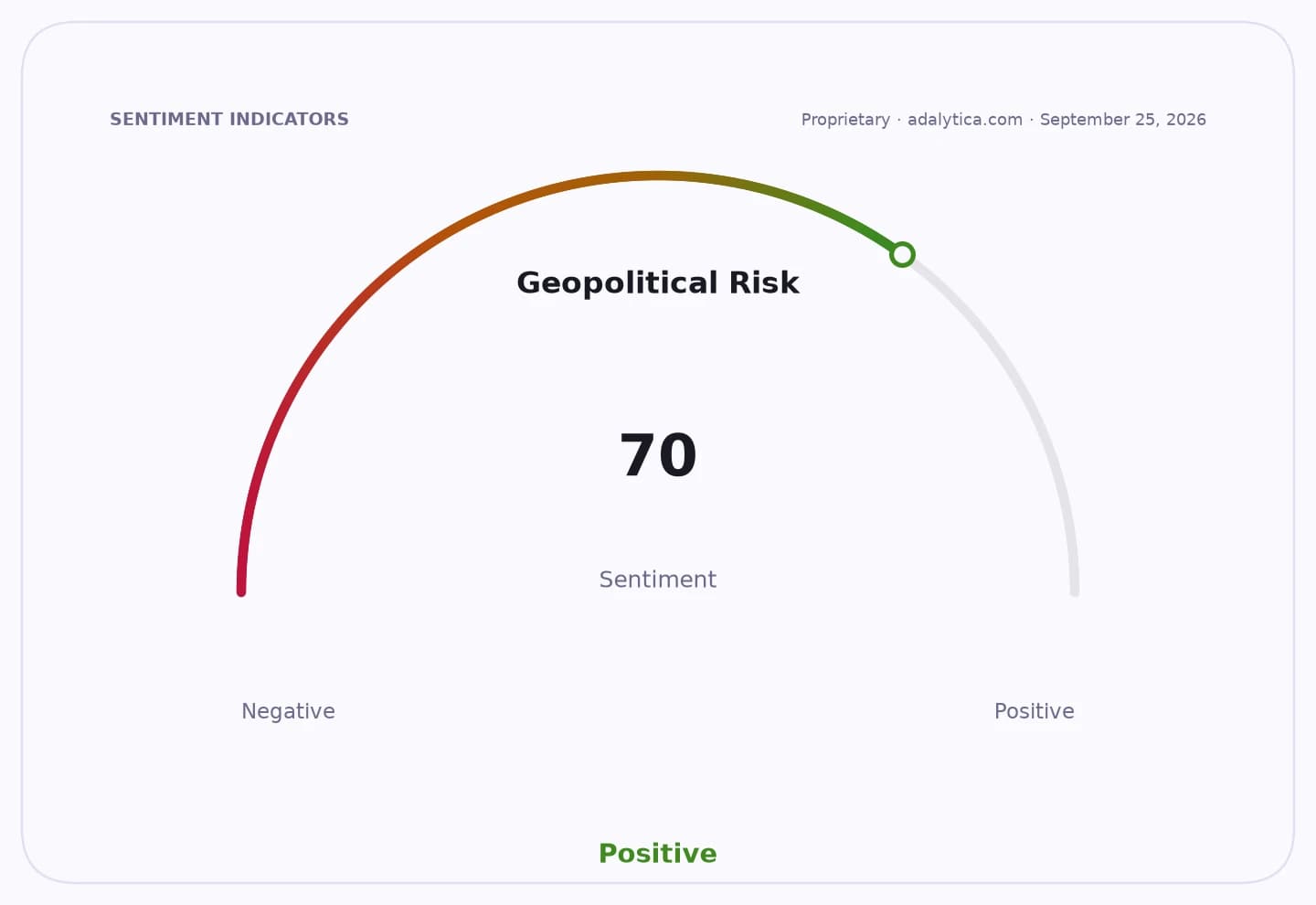
That matters because the economy is already showing signs of strain. The University of Michigan’s consumer sentiment index has fallen to the high-40s from 49.5 in June and is forecast to slip to 43.99 in July, a level historically associated with elevated caution among households. A shutdown scare would risk amplifying that weakness by adding policy uncertainty just as consumers are already leaning defensive. The broader macro backdrop also looks sensitive to fiscal headlines: the 10-year Treasury yield has been hovering around 4.6%-4.7%, while the dollar has strengthened sharply, according to Adalytica’s trade-signal snapshot, suggesting investors are still pricing in a mix of policy uncertainty and resilient U.S. assets.
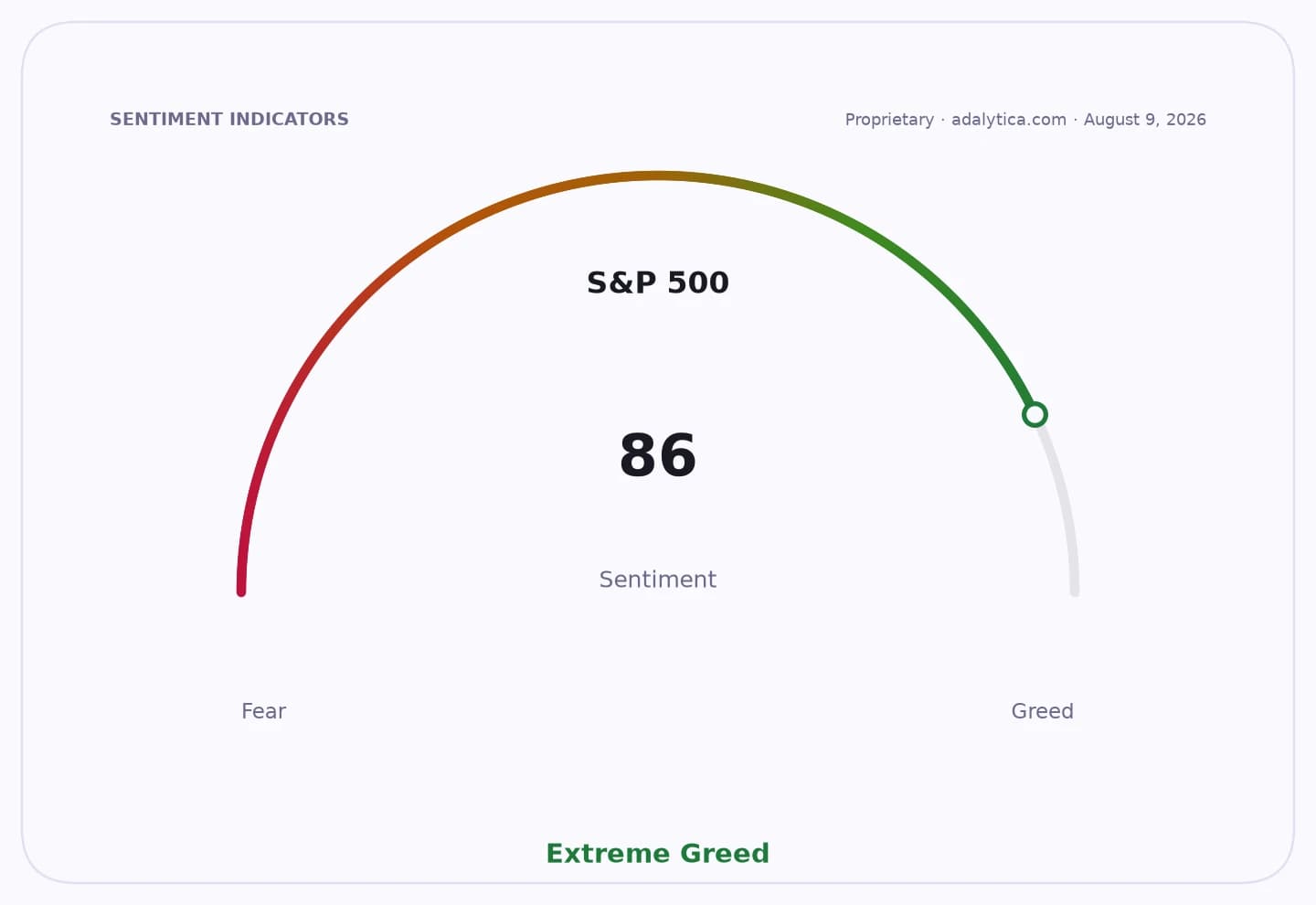
Equities have so far absorbed the latest fiscal tension, with the S&P 500 pushing to record territory and Adalytica’s S&P 500 trade signals showing “Extreme Greed.” But that strength could prove vulnerable if budget brinkmanship turns into a genuine shutdown threat. A lapse in funding would not only dent confidence but could also disrupt the flow of federal spending that supports earnings for government contractors and industries with heavy public-sector exposure. Defense names such as Lockheed Martin, Northrop Grumman and RTX are especially exposed to appropriations timing, while airlines and other consumer-facing businesses can suffer indirectly if broader sentiment deteriorates.
The bill’s significance is therefore twofold: it buys time, but it does not solve the fiscal fight. Investors are likely to treat it as a temporary reprieve rather than a durable resolution, with the next deadline likely to bring fresh volatility in Treasuries, the dollar and rate-sensitive equities. The longer Congress and the White House remain at odds, the more fiscal policy becomes a source of market risk rather than a support for growth.
| Entity | Gains | Losses |
|---|---|---|
| Federal agencies | ▲Avoid immediate shutdown | ▼Face delayed budget fight |
| Government contractors | ▲Near-term payment continuity | ▼Still exposed to funding delay |
| Equity bulls | ▲Reduced shutdown risk | ▼Face renewed policy volatility |
| Fiscal hardliners | ▲Keep leverage for next round | ▼Trump priorities left out |