US Treasury yields are holding near levels that make cash-like products and short-duration savings instruments significantly more attractive, with the benchmark 10-year note forecast at 4.652% and recent trading still above 4.6%. That keeps pressure on borrowers while improving the income picture for savers, banks and money-market alternatives.
US Treasury Yields Stay Near 4.6%

The move matters because the cost of capital is still elevated even after the Federal Reserve has held its policy rate at 3.63% in recent months. A 10-year yield in the mid-4% range leaves the curve steep enough to support higher returns on government-backed savings products, but also keeps mortgage, corporate borrowing and public-finance costs restrictive. In practical terms, households chasing yield can now earn more without taking much credit risk, while companies and governments face a more expensive funding environment.
Sentiment IndicatorsⓘProprietary · adalytica.com · August 15, 2026
This is a snapshot — live sentiment, awareness and momentum for 130+ markets update continuously in the dashboard.Open AlphaPulse
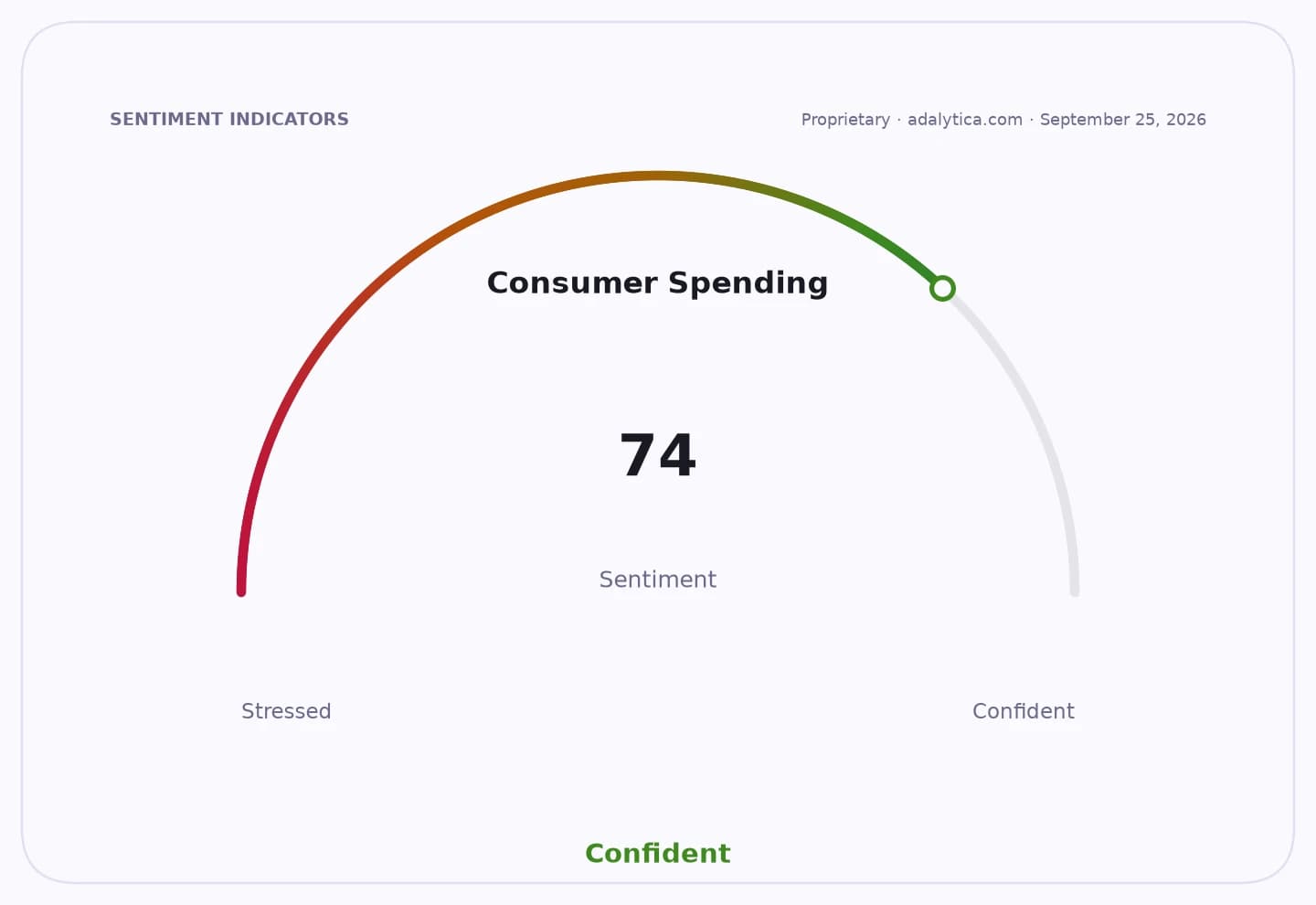
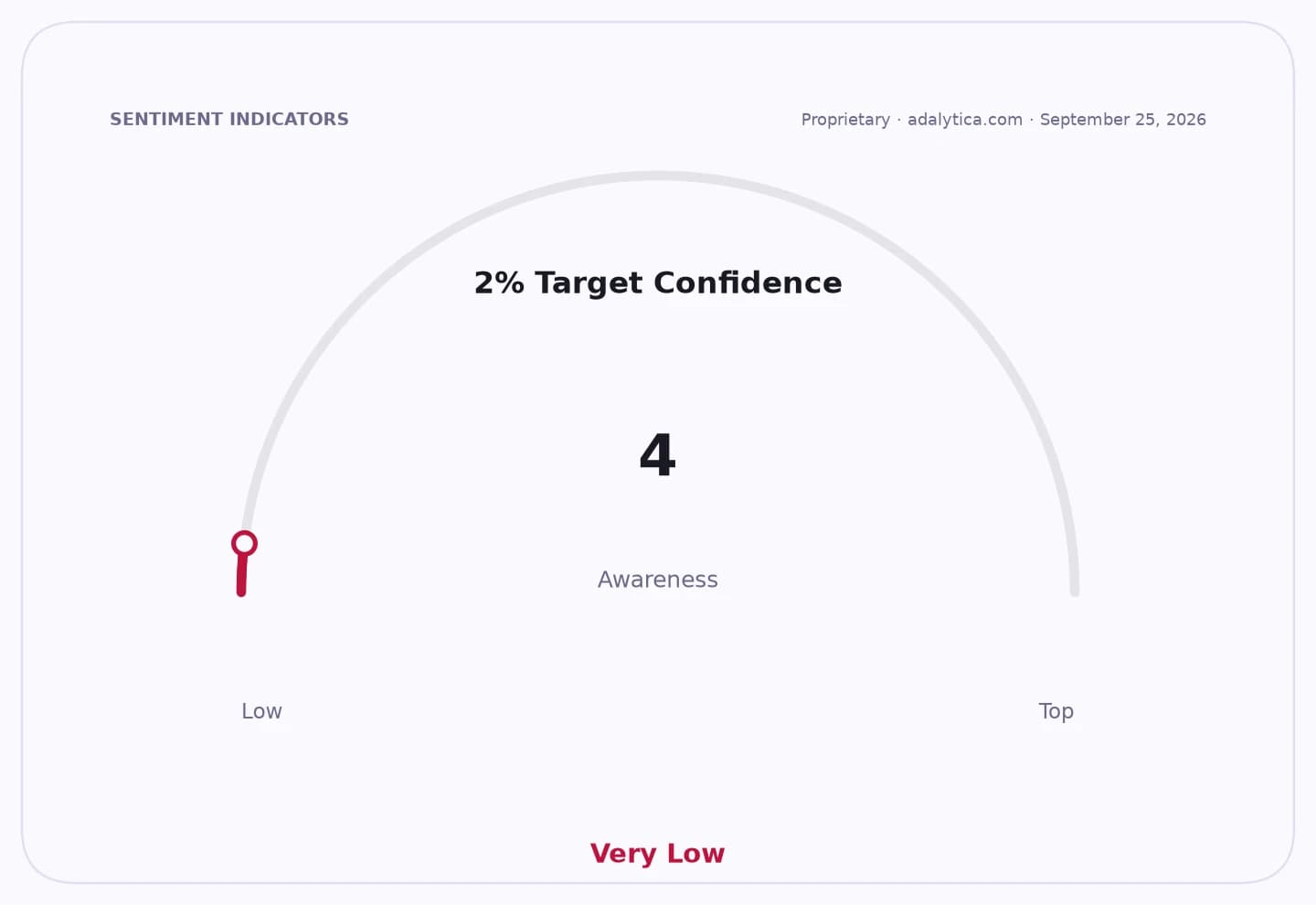
The backdrop is an inflation picture that has not fully normalized. Consumer prices, as measured by the CPI index, were still rising and the latest forecast points to another increase, leaving investors reluctant to price in aggressive easing from the Fed. That tension is reflected in bond market positioning. A proprietary Adalytica gauge tracking market expectations for Fed rate decisions shows extreme fear, even as awareness remains elevated, suggesting investors are watching policy risk closely rather than assuming a smooth return to lower rates.
For fixed-income investors, the higher yield offers a cleaner entry point than earlier in the cycle, but duration risk remains substantial. TLT, the long-dated Treasury ETF, has slipped to about 82, below its 50-day and 200-day moving averages, with the relative strength index still weak and momentum negative. That points to continuing caution in longer-duration bonds, even after occasional rallies. The technical picture reinforces a simple message: investors are still demanding compensation for inflation uncertainty and policy risk.
The implication for markets is broader than bonds. Higher Treasury yields continue to act as a benchmark for private borrowing, which can slow housing, cap equity valuations and pressure highly leveraged sectors. At the same time, banks are among the clearest beneficiaries. Large lenders have told investors in recent filings that deposit pricing, mortgage prepayments and net interest income remain highly sensitive to rate moves, meaning a sustained high-yield environment can support earnings even if loan growth is mixed.
That helps explain why rate-sensitive financial shares have been resilient. The KRE regional bank ETF is trading around 77.93, well above both its 50-day and 200-day moving averages, and far stronger than long-duration Treasuries. Investors appear to be betting that elevated yields will continue to support net interest margins before credit costs become a bigger problem.
The opportunity for savers is straightforward: Treasury bills, high-yield money funds and short-dated government securities remain competitive, and a 4% to 5% yield environment is still meaningful after years of near-zero returns. The risk is that the same yields keep financing conditions tight for longer, prolonging pressure on rate-sensitive borrowers and leaving bond investors exposed if inflation proves sticky.
For now, the market is telling investors to prefer income over duration. If inflation cools and the Fed eventually cuts, long bonds could recover. If not, yield will remain the story — and so will the higher cost of money.
| Entity | Gains | Losses |
|---|---|---|
| Savers / cash holders | ▲Higher risk-free income | ▼Less urgency to move into stocks |
| Banks / regional lenders | ▲Wider net interest margins | ▼Deposit competition |
| Borrowers / homebuyers | ▲— | ▼Higher financing costs |
| Long-duration bond investors | ▲— | ▼Price pressure from sticky yields |