US bond markets are selling off hard, but the move looks driven more by rising real yields than by a sudden fear that inflation is about to run out of control.
US Treasury yields rise on higher real yields

That distinction matters because it changes how investors read the damage. If the market were truly panicking about inflation, breakeven rates — the compensation investors demand for future price growth — would be doing most of the work. Instead, about 10 basis points of this year’s roughly 97 basis-point rise in the 10-year Treasury yield has come from breakevens, while the rest has come from higher real yields. Real yields are now back to levels last seen in 2008, a sign that tighter financial conditions, stronger growth expectations, heavier Treasury supply or a larger term premium may matter more than inflation alone.
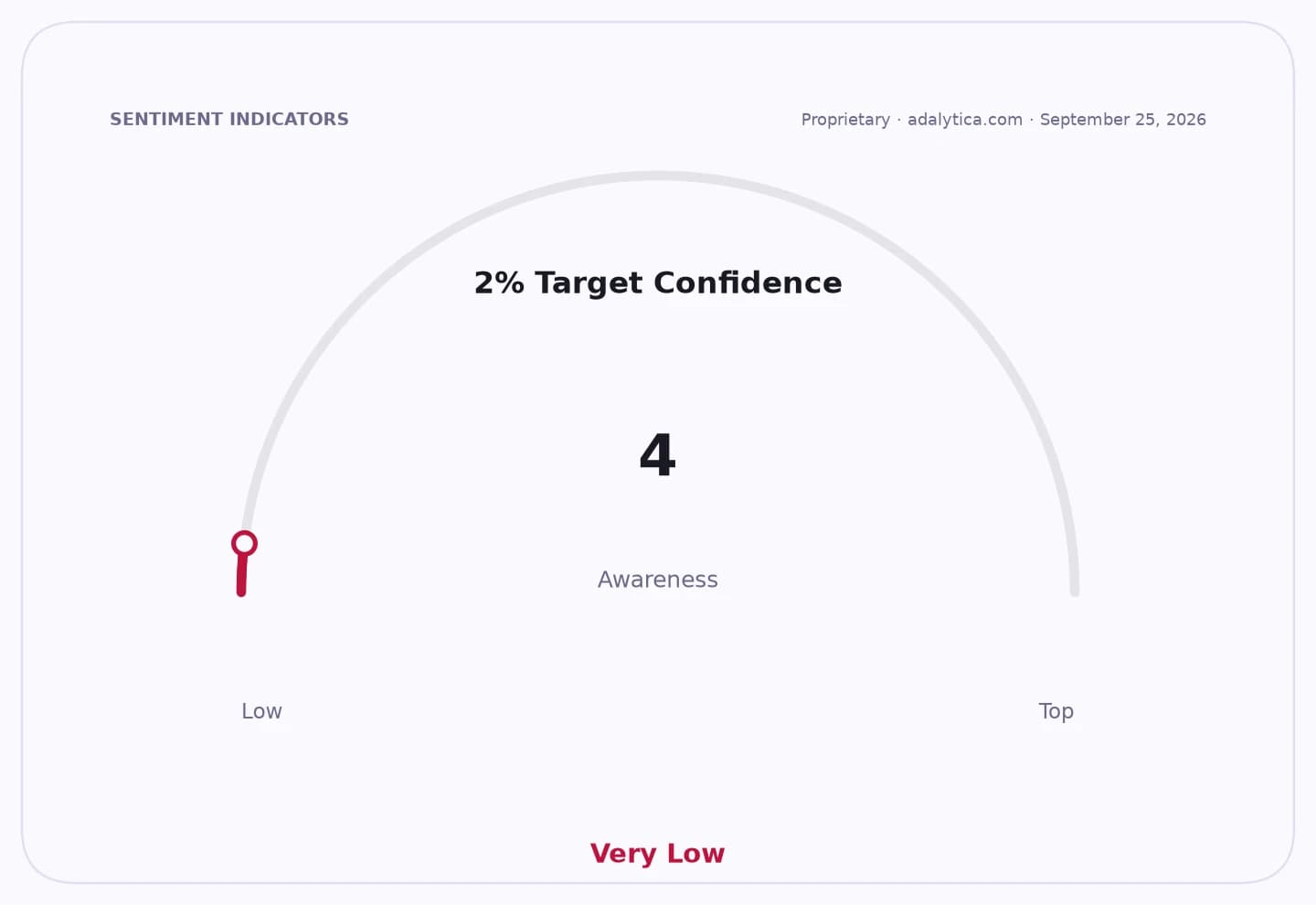
Sentiment IndicatorsⓘProprietary · adalytica.com · September 30, 2026
This is a snapshot — live sentiment, awareness and momentum for 130+ markets update continuously in the dashboard.Open AlphaPulse

The move has been dramatic enough to rattle duration-sensitive assets. The 10-year Treasury had its worst session since last year’s Liberation Day selloff, and the 5-year yield pushed above 5% for the first time since 2007. On Tuesday, the 10-year yield was indicated another 8 basis points higher, underscoring how quickly the market has repriced the path for rates.
For investors, that mix is more dangerous than a simple inflation scare. Higher real yields typically pressure equity valuations, raise borrowing costs for households and companies, and tighten conditions across credit markets even if inflation expectations stay relatively contained. That helps explain why long-duration assets have been hit: the iShares 20+ Year Treasury Bond ETF, TLT, has fallen to about 78.23 from 85.67 in early November, with its relative strength index near 25, a reading that signals a deeply oversold market. Gold has also softened, with GLD slipping to 382.89 from 403.15 in late October, reflecting how rising real yields compete with non-yielding assets.

The inflation backdrop is not benign. Brent crude is up about 73% so far in 2026 and US consumer prices are expected to have risen 3.6% in September, up from 2.4% in January. Yet the bond market is not behaving as if those numbers are the main story. Adalytica’s gauge of confidence in the Fed’s 2% inflation target has improved sharply to 82, while its 5-year inflation breakeven sentiment and long-term inflation expectations both sit at 54, a neutral reading. Those indicators suggest investors are uneasy, but not in full-scale inflation panic.
That is why the question posed by traders is so unsettling: if markets were actually worried about inflation, where would rates be now? The answer appears to be higher — and the fact that they are not there yet suggests investors are pricing a broader repricing of the risk-free rate rather than a simple inflation premium.
For the Fed, that creates a difficult backdrop. Higher real yields do some of the central bank’s work for it by tightening financial conditions, but they also raise the risk of policy overtightening if inflation proves sticky. For equities and credit, the key issue is whether this is a temporary adjustment or the start of a more durable move in long-term real rates. If it is the latter, the pressure on valuation multiples, refinancing costs and sovereign debt markets could persist even without another inflation surprise.
| Entity | Gains | Losses |
|---|---|---|
| Treasury holders | ▲Higher income | ▼Mark-to-market losses |
| Borrowers | ▲None | ▼Higher funding costs |
| Gold bulls | ▲Inflation concern support | ▼Rising real yields |
| Equity investors | ▲None | ▼Lower valuation multiples |