The U.S. is moving to make visa bond requirements permanent for certain travelers, a policy that could raise the cost of visiting America for many African applicants and further cool a segment of inbound travel already sensitive to price and paperwork.
U.S. visa bond rule may raise travel costs for Africans
The change matters economically because visa bonds function as a financial barrier up front, tying up cash before a trip even begins. For households and small businesses in affected countries, that can be enough to deter discretionary travel, family visits and some business trips, reducing spending flows into U.S. airlines, hotels and tourism operators.
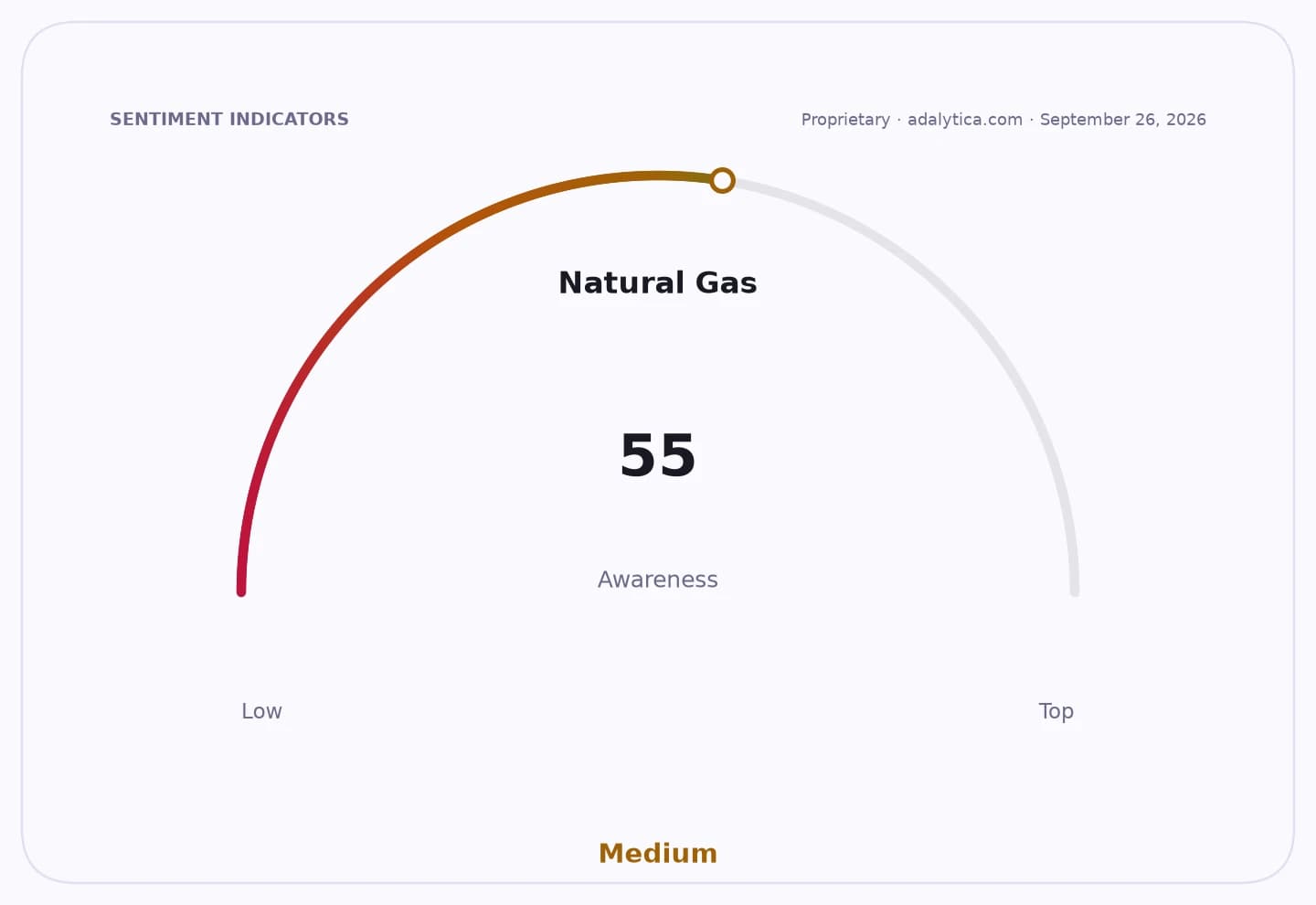
Sentiment IndicatorsⓘProprietary · adalytica.com · July 31, 2026
This is a snapshot — live sentiment, awareness and momentum for 130+ markets update continuously in the dashboard.Open AlphaPulse
The policy is also likely to be watched closely across emerging markets because it signals a harder line on migration and visa compliance. Even if the bonds are refundable, the requirement increases friction in a system where approval rates, processing delays and travel costs already shape demand.
Airlines with exposure to transatlantic and Latin American traffic could feel the impact if some travelers decide not to book. Delta Air Lines, American Airlines and United Airlines have all reported strong passenger revenue growth in recent quarters, but the latest price action in their shares shows investors are still weighing demand resilience against policy and macro risks.
Delta closed at $87.44 on Friday, above its 50-day moving average of $84.60 and 200-day moving average of $70.56, while American finished at $15.27 and United at $121.33. Technical readings on Delta and American were near neutral, suggesting neither stock is pricing in an immediate shock, but that can change if the policy expands or if broader travel demand softens.
The move comes as the dollar and U.S. rates remain key watch points for global travel flows and cross-border spending. If the visa bond rule is locked in permanently, investors will focus on whether it becomes a narrow screening tool or a broader drag on tourism demand from Africa and other emerging markets.
| Entity | Gains | Losses |
|---|---|---|
| US government | ▲tighter visa enforcement | ▼tourism goodwill |
| African travelers | ▲clearer entry rules | ▼higher upfront costs |
| US airlines and hotels | ▲limited benefit from compliance | ▼lower inbound demand |
| Delta, American, United | ▲none immediate | ▼softer international bookings |