USD/CAD is holding near C$1.42, leaving the Canadian dollar under pressure as falling oil prices and resilient U.S. yields reinforce the case for owning dollars over Canada’s resource-linked currency.
USD/CAD Supported by Weak Oil and Firm Yields

The move matters because Canada’s dollar is being hit from both sides of the macro trade: weaker crude prices are eroding a key source of national income, while U.S. short-term yields remain high enough to keep global capital anchored in dollar assets. West Texas Intermediate crude was last near $69.60 a barrel, down about 36% from early May levels above $109, according to the supplied market data. That decline cuts directly into the terms-of-trade support that often cushions the loonie.
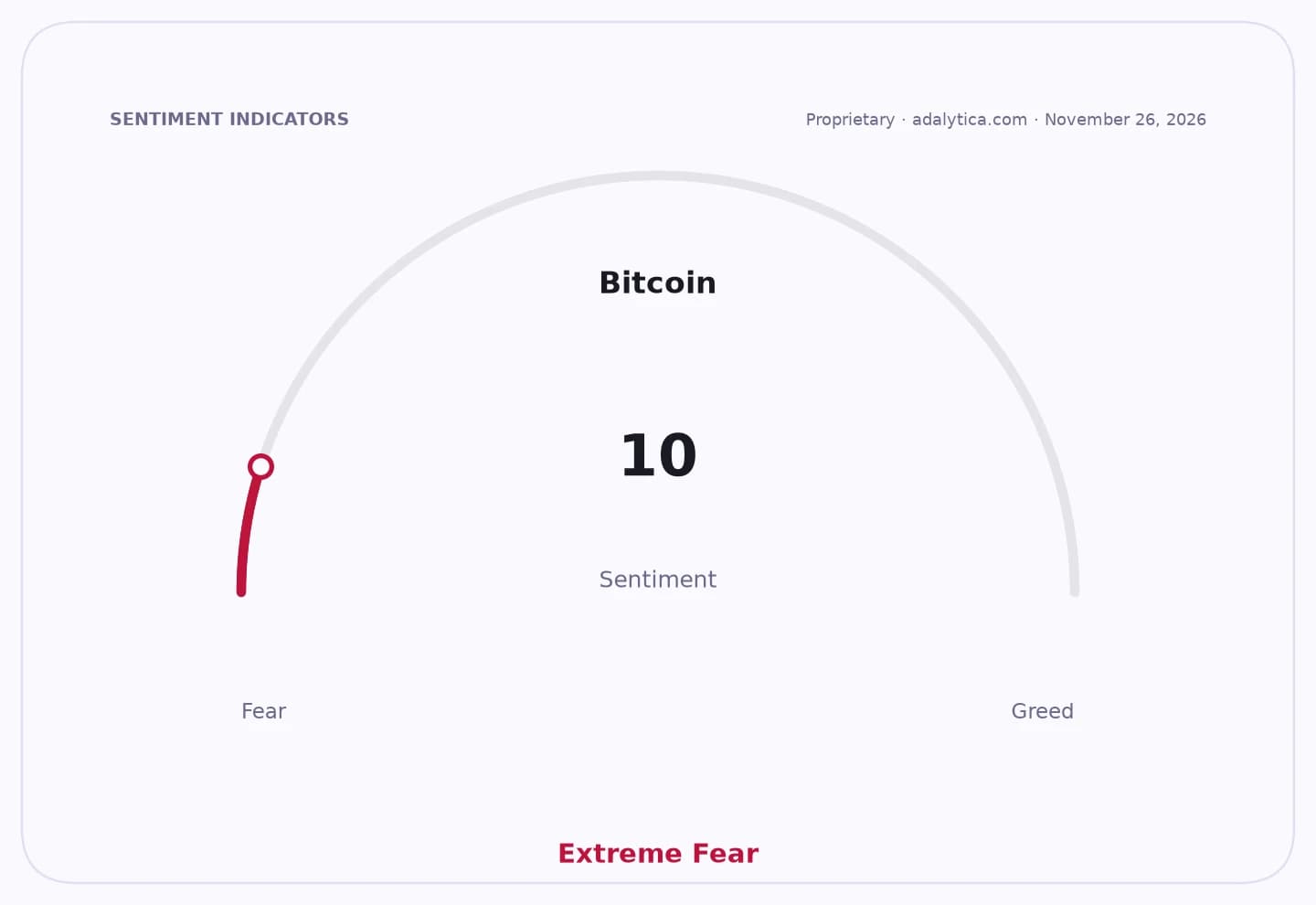
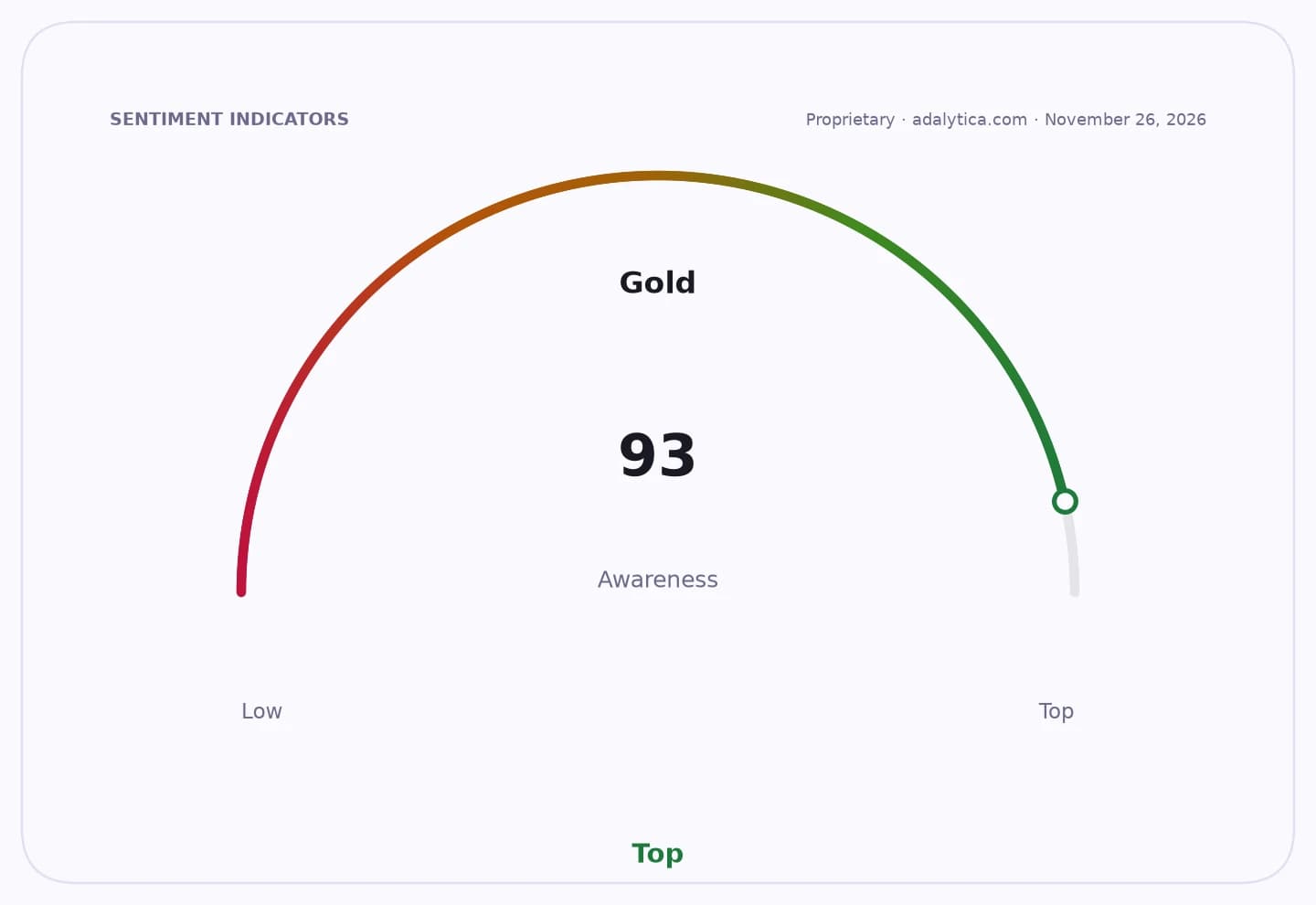
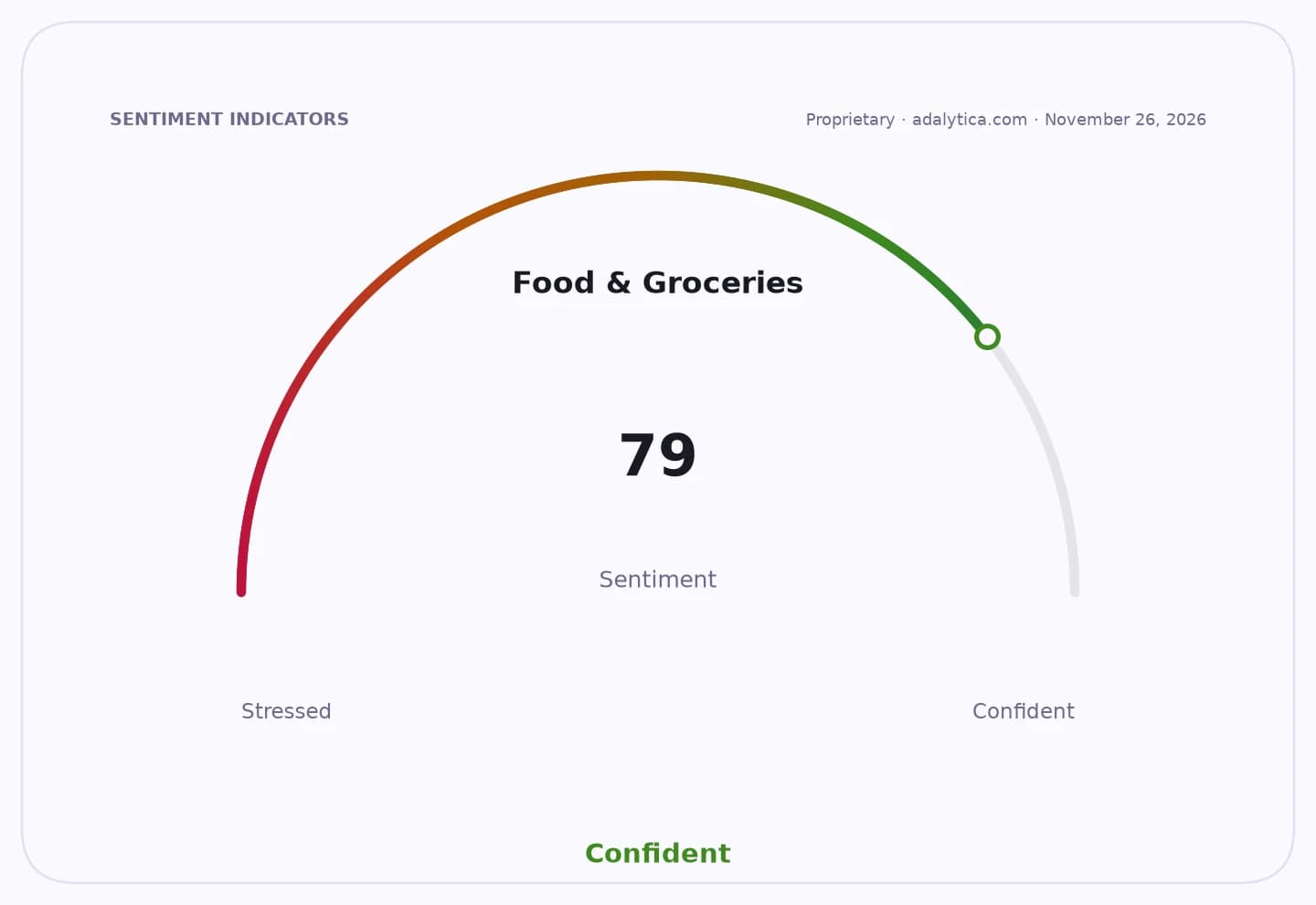
Sentiment Indicators

The currency market is reflecting that pressure. USD/CAD closed around 1.42 on July 10, above its 50-day moving average of 1.39 and 200-day moving average of 1.38, conventional technical levels that point to a dollar-up, Canadian-dollar-down trend. The Invesco CurrencyShares Canadian Dollar Trust, a proxy for CAD exposure, traded near $69.04, below both its 50-day and 200-day moving averages, while the Invesco DB U.S. Dollar Index Bullish Fund held near $28.39, above comparable trend gauges.
For investors, the signal is less about a single day’s currency move than a shift in relative protection. A weaker Canadian dollar reduces U.S.-dollar returns on Canadian assets, raises hedging costs for Canadian investors buying foreign securities and supports companies earning U.S. revenue while hurting importers and consumers exposed to dollar-priced goods.

U.S. rates are keeping the dollar supported. The two-year Treasury yield was around 4.16%, compared with a federal funds rate near 3.63%, preserving a yield backdrop that makes the dollar difficult to short aggressively. That advantage is especially important when commodity-linked currencies lose their growth cushion.
Oil positioning adds a complication. Proprietary indicators from Adalytica.com show WTI-linked sentiment at 98, labeled “Extreme Greed,” even as spot crude has fallen sharply from May levels. That gap suggests investors are still willing to bet on an oil rebound, but the Canadian dollar is not being paid to wait. Adalytica’s U.S. dollar sentiment reading was neutral at 31, with awareness in “Extreme Fear,” indicating dollar strength is not yet matched by broad bullish enthusiasm.
The broader global backdrop is also dollar-friendly. Concerns about yen depreciation, cautious equity optimism in Japan and unresolved European inflation pressure have kept attention on central-bank divergence and currency fragility. In that environment, the Canadian dollar’s oil sensitivity makes it vulnerable when crude weakens and U.S. yields stay firm.
The next test for USD/CAD is whether oil stabilizes enough to restore confidence in the loonie. Until then, the market narrative remains straightforward: the dollar is acting as the safer, higher-yielding currency, while the Canadian dollar is trading like a casualty of cheaper crude and tighter global financial conditions.
| Entity | Gains | Losses |
|---|---|---|
| U.S. dollar bulls | ▲Yield and safety bid | ▼Crowded reversal risk |
| Canadian dollar holders | ▲Exporter revenue lift | ▼Weaker purchasing power |
| Canadian importers | ▲None | ▼Higher USD costs |
| Oil bulls | ▲Rebound optionality | ▼CAD support fading |