The USS Enterprise has begun its final voyage to be dismantled, and the $418.5 million job underscores how expensive it is to retire a nuclear-powered warship safely.
USS Enterprise Final Voyage to Alabama Dismantling
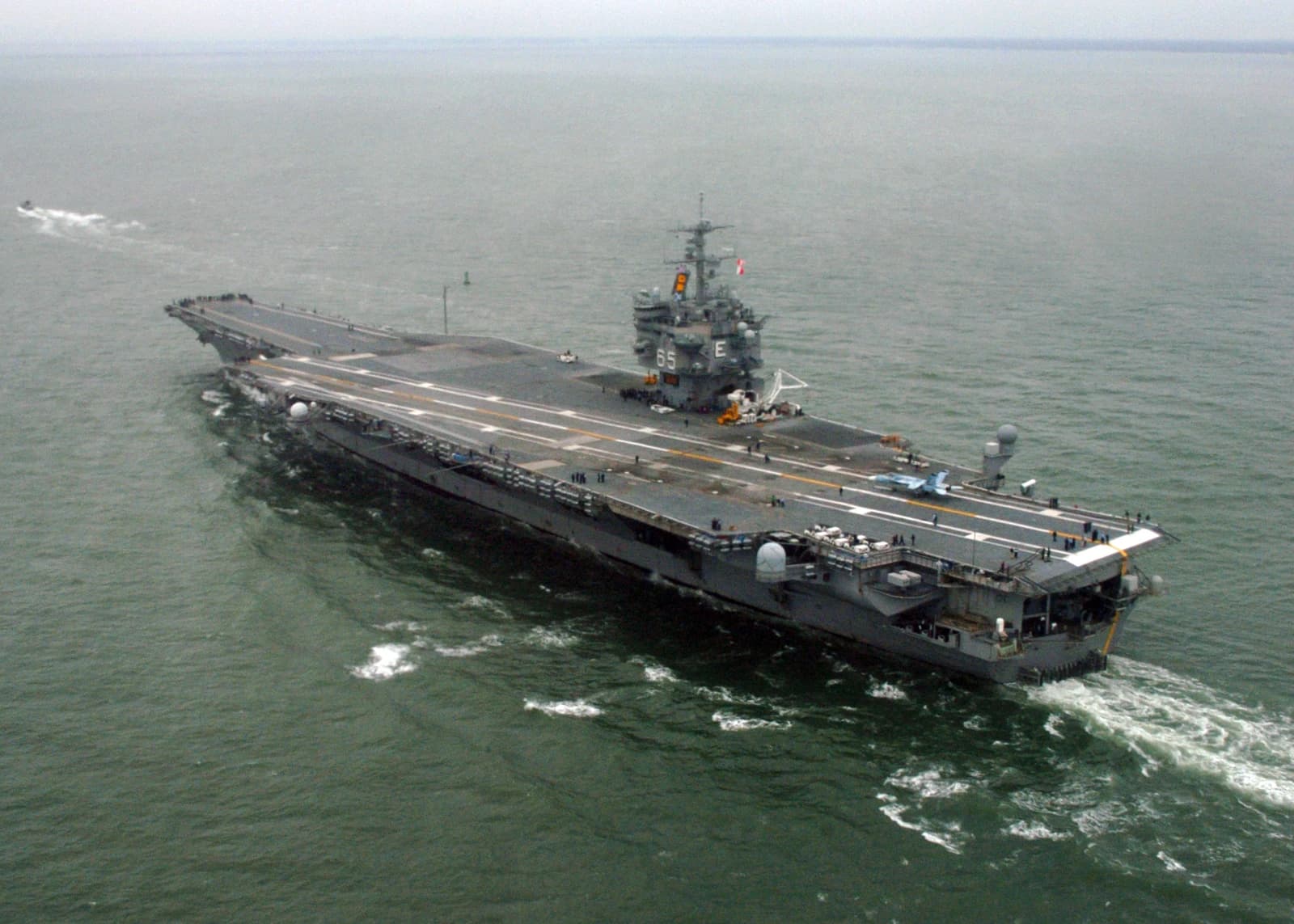
The Navy sent the 94,000-ton carrier from Newport News, Virginia, to Mobile, Alabama, where NorthStar Maritime Dismantlement Services will break it apart and recycle it by September 2030. The ship’s eight nuclear reactors make the work far more complex than a conventional vessel retirement, even though the fuel has already been removed. Radioactive components must be handled under strict safety rules and sent to authorized disposal facilities.
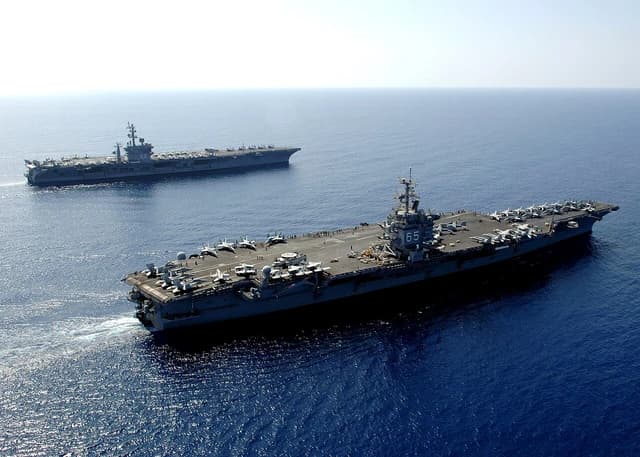
For investors and defense suppliers, the project matters because it shows the long tail of nuclear shipbuilding: the costs do not end when a carrier leaves active service. Enterprise, the first nuclear-powered aircraft carrier in history, has already carried more than 1 million nautical miles over a career that stretched from the Cold War and Vietnam to Middle East operations. Its disposal bill also brings the Navy’s total spending on the ship’s retirement, preservation and dismantling to about $1.3 billion since it left active duty in 2012.
That makes the Enterprise more than a historical footnote. It is a reminder that the U.S. Navy’s nuclear fleet creates a recurring industrial workload for specialized contractors, shipyards and nuclear-services firms, while also absorbing public money for decades after a vessel’s combat role ends. The project should provide a template for future carrier retirements, but it also highlights the financial and operational burden that comes with maintaining and decommissioning the world’s most sophisticated warships.
For Huntington Ingalls Industries, which built and services U.S. aircraft carriers, and for the wider naval-industrial base, the dismantling reinforces the strategic value of companies with nuclear-qualified infrastructure. General Dynamics and BWX Technologies, another nuclear defense supplier, are part of that ecosystem as the Navy continues to fund shipbuilding, reactor work and lifecycle support. The broader takeaway for investors is that nuclear ship programs are not just a build story; they are a multi-decade maintenance, refueling and disposal franchise with high barriers to entry and steady federal demand.
The key question now is whether the Enterprise dismantling stays on schedule and becomes a repeatable process for future nuclear carriers. If it does, it may strengthen the case for contractors positioned in nuclear maintenance and decommissioning. If costs rise further or the timetable slips, it will deepen concerns about how expensive the Navy’s nuclear fleet really is to own from cradle to grave.
| Entity | Gains | Losses |
|---|---|---|
| NorthStar Maritime Dismantlement Services | ▲$418.5 million contract | ▼Execution and safety risk |
| U.S. Navy | ▲Safe retirement template | ▼High decommissioning costs |
| Huntington Ingalls Industries | ▲Lifecycle work visibility | ▼Long-term disposal burden |
| Taxpayers | ▲Recycled materials | ▼$1.3 billion total cost |