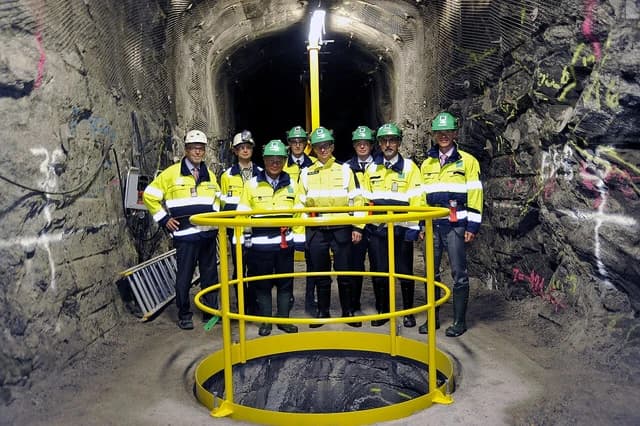
Finland has turned nuclear waste from a long-running policy problem into a concrete, investable reality, after granting Posiva permission to begin operating Onkalo, the world’s first underground repository for spent nuclear fuel.
Finland Approves Onkalo Nuclear Waste Repository
That matters because nuclear power’s biggest drawback has never been generating electricity — it has been proving that highly radioactive waste can be isolated safely for thousands of years. Finland just moved that debate from theory to practice. For investors, that is a meaningful shift: it strengthens the case for nuclear as a durable part of the low-carbon energy mix and removes one of the sector’s most persistent political and regulatory objections.
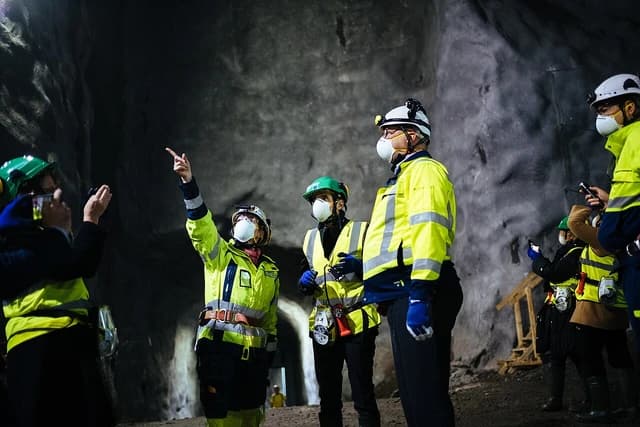
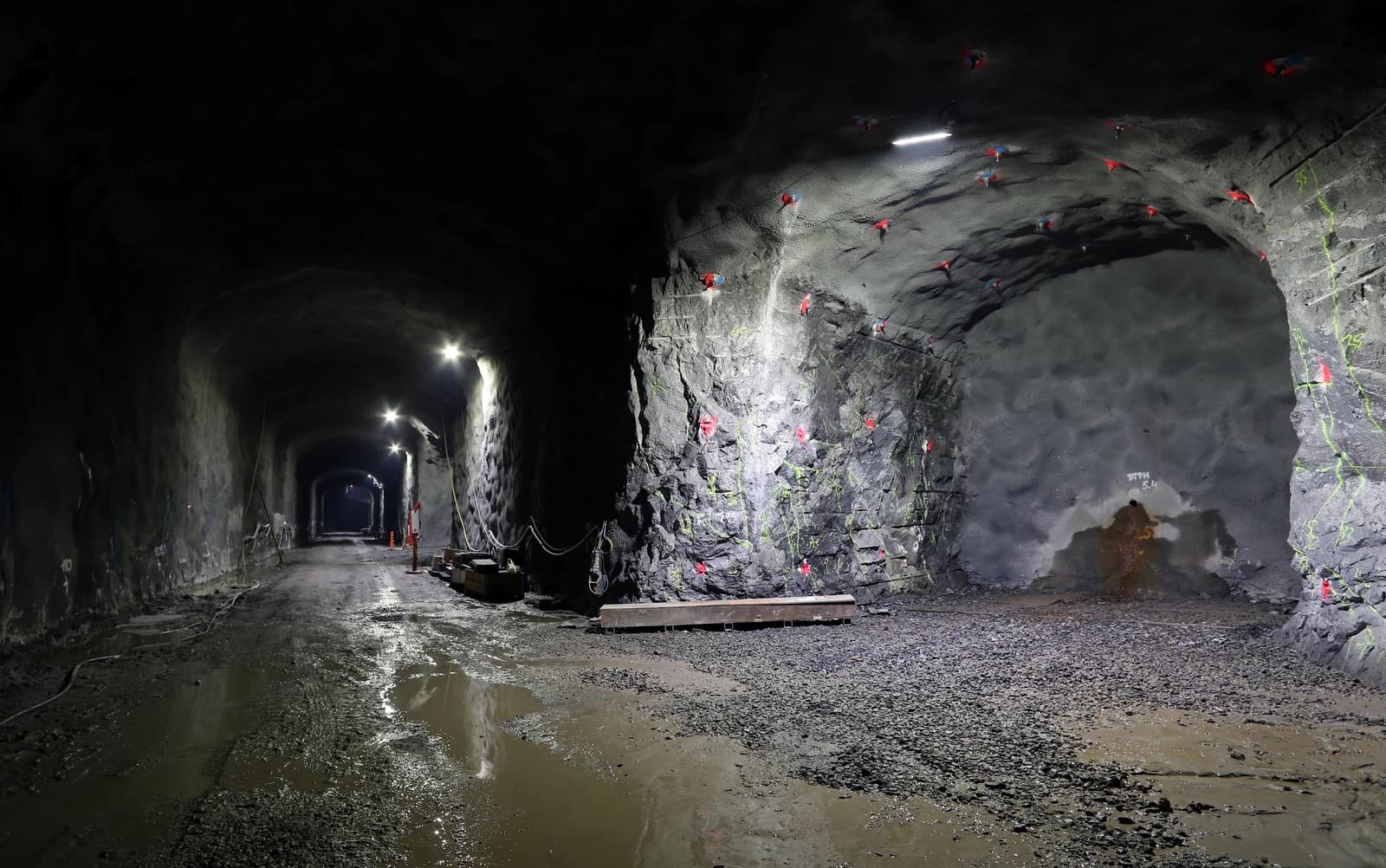
Onkalo, built over 22 years in bedrock around 1.9 billion years old in Eurajoki in southwest Finland, is designed to hold as much as 6,500 tonnes of uranium from the country’s five reactors. Posiva still needs to complete testing and secure final approvals from Finland’s radiation and nuclear safety authority before the first fuel goes in, but the operating licence is the key milestone. In plain terms, Finland has taken the first real step toward permanent underground disposal of spent fuel — something much of the world still has not done.
The economic significance is bigger than one Nordic country’s engineering win. Nuclear waste has been a hidden but powerful brake on the industry’s growth, because governments, utilities and voters have all had to confront the question of where the fuel goes after the reactors are shut down. Finland’s move gives policymakers in other nuclear markets a working example to point to, especially in Europe, where Sweden and France are also building permanent repositories and Germany is still narrowing its search for a final site.
For investors, the message is twofold. First, the news supports the long-duration economics of nuclear power by making the back end of the fuel cycle look less speculative. Second, it keeps attention on the companies and funds tied to uranium, reactor development and nuclear services. Shares in Cameco, one of the best-known uranium names, have been closely watched as the market has priced in a broader nuclear revival, while uranium-focused ETFs such as URNM and URA remain obvious proxies for the theme. Those funds have swung sharply, but the bigger story is that nuclear’s infrastructure buildout is getting one step more credible.
The technical picture in those uranium vehicles also reflects how much enthusiasm has already been built in. URNM and URA both surged earlier this year before retreating, with recent trading leaving them below their 50-day moving averages, a sign that momentum has cooled even as the longer-term investment case remains intact. That kind of volatility is typical in a thematic market that still depends on policy, permitting and sentiment as much as on earnings.
The long-term takeaway is simple: Finland is proving that the nuclear industry can address its hardest environmental question with a permanent solution, not just a temporary one. That does not eliminate political risk, construction delays or cost overruns, but it does make nuclear power easier to defend on practical grounds. For patient investors, that is exactly the sort of development worth watching, especially in a sector where one genuine breakthrough can change the narrative for years.
| Entity | Gains | Losses |
|---|---|---|
| Finland / Posiva | ▲Global credibility; operating licence milestone | ▼Ongoing testing and oversight burden |
| Nuclear power sector | ▲Stronger waste-disposal case | ▼Critics of long-term viability |
| Uranium stocks and ETFs | ▲Longer-term demand narrative | ▼Short-term traders if sentiment cools |
| Germany and other search-phase countries | ▲Clearer roadmap to study | ▼Continued political and site-selection pressure |