Household electricity bills are moving higher again just as consumer spending remains resilient, a combination that could keep U.S. inflation sticky and complicate the outlook for rate-sensitive sectors and utility stocks.
Utilities, CPI and Retail Spending Point to Sticky Inflation

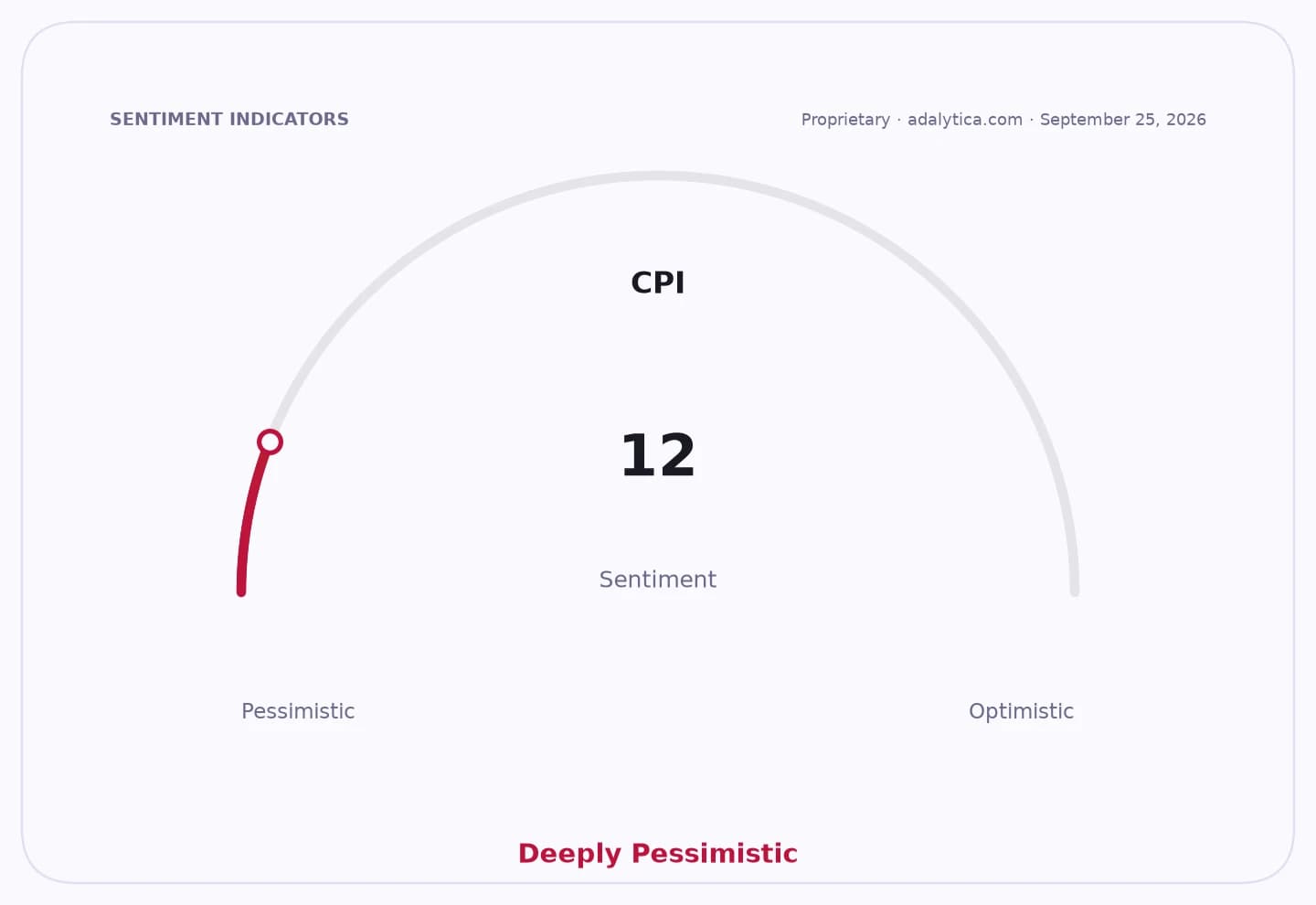
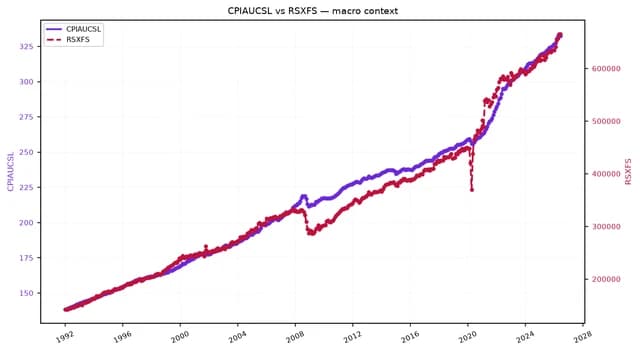
The latest consumer price data show the headline CPI at 332.568 in June, down 0.42% from May but still near cycle highs, with a July forecast pointing to a 0.89% increase to 335.512. At the same time, retail spending excluding volatile components has continued to climb, with the RSXFS gauge rising to 666,056 in June and forecast to reach 674,837.9 in July. That mix suggests households are still absorbing higher costs rather than sharply pulling back, giving utilities more room to pass through fuel and power expenses even as broader price pressure remains elevated.
Sentiment IndicatorsⓘProprietary · adalytica.com · July 31, 2026
This is a snapshot — live sentiment, awareness and momentum for 130+ markets update continuously in the dashboard.Open AlphaPulse
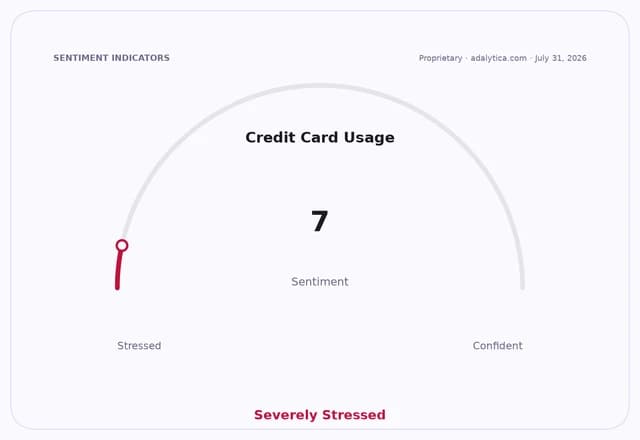
The economic significance is straightforward: electricity is a basic household input, and when tariffs rise it feeds directly into core living costs, especially for lower- and middle-income consumers with limited flexibility. The latest read from Adalytica’s Consumer Spending Sentiment snapshot shows extreme greed at 89, while credit card usage sentiment remains in extreme fear at 7, a split that points to spending staying firm even as financing strain builds underneath. In plain terms, households appear willing to keep consuming, but they are doing so in an environment where energy costs are taking a bigger bite.
That matters for inflation because utilities and energy are among the most visible channels through which geopolitical shocks show up in the real economy. The broader backdrop includes crude oil strength, higher LNG costs and electricity price increases in several markets, including Egypt and New Hampshire, as governments and regulators try to balance subsidy support with cost recovery. When power and fuel costs move together, inflation becomes harder to tame, and policymakers face a more awkward trade-off between protecting consumers and keeping utility balance sheets intact.
For investors, the message is mixed. Utilities such as XLU have been range-bound, with the ETF closing at 44.35 on July 31, just above its 200-day moving average of 44.38 and below the recent July 2 high of 45.76. That suggests the sector is not yet pricing a clean inflation hedge premium, even though regulated and integrated utilities can benefit from higher allowed revenues when fuel and generation costs rise. Duke Energy, meanwhile, ended July at 69.17, above its 200-day moving average of 62.36 and near its 50-day average of 68.66, reflecting steadier relative performance as investors favor cash-generative defensives. NextEra Energy closed at 86.92, still close to its 50-day average of 87.23, showing a market that is willing to pay for scale and renewable exposure but not aggressively chase the name.
The bull case is that utilities can continue passing through fuel-related costs, and earnings should hold up if regulators remain supportive and demand stays stable. Duke’s latest 10-Q showed operating revenue up 30% year to date, largely from higher fuel-related revenue tied to commodity costs, while operating expenses also rose as electricity and energy purchases climbed. The bear case is that persistent tariff increases eventually erode household demand, invite political scrutiny and push regulators to slow or disallow full cost recovery, compressing returns just as financing costs remain elevated.
The immediate watchpoint is whether the next inflation prints confirm that energy is reasserting itself as a sticky component of household budgets. If that happens, utilities may keep benefiting from higher revenue recovery, but broader consumer sectors could see margin pressure as disposable income gets squeezed. In that sense, the new rise in electricity prices is less a one-off adjustment than another sign that inflation risks are being imported back into household spending through the energy bill.
| Entity | Gains | Losses |
|---|---|---|
| Regulated utilities | ▲Cost recovery on higher fuel bills | ▼Political backlash risk |
| Households | ▲None from higher electricity prices | ▼Higher living costs |
| XLU / utility investors | ▲Defensive cash flows | ▼Rate and regulatory uncertainty |
| Consumer discretionary firms | ▲Resilient spending in near term | ▼Future margin pressure from weaker disposable income |