Payments on utility bills can be an unpleasant surprise in August because the costs feeding those bills are still moving higher, not lower, and the latest tariff salvo from Washington threatens to make that problem worse.
Utilities Face Inflation, Rates, and Tariff Pressure
For households, that means a sharper squeeze at a time when electricity and gas are already one of the most visible monthly expenses. For investors, it matters because regulated utilities such as NextEra Energy, Duke Energy and Southern Co. usually look defensive when inflation is calm — but they become far less predictable when fuel, financing and trade policy all pull in the wrong direction at once.
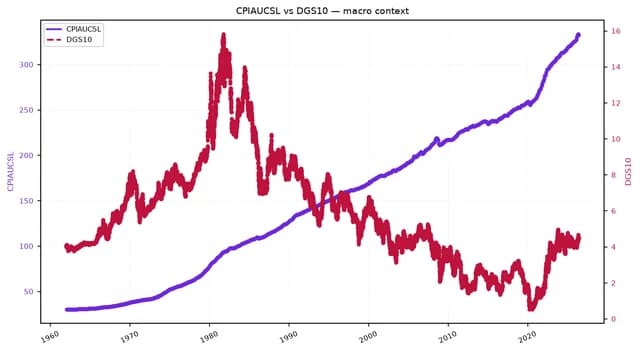
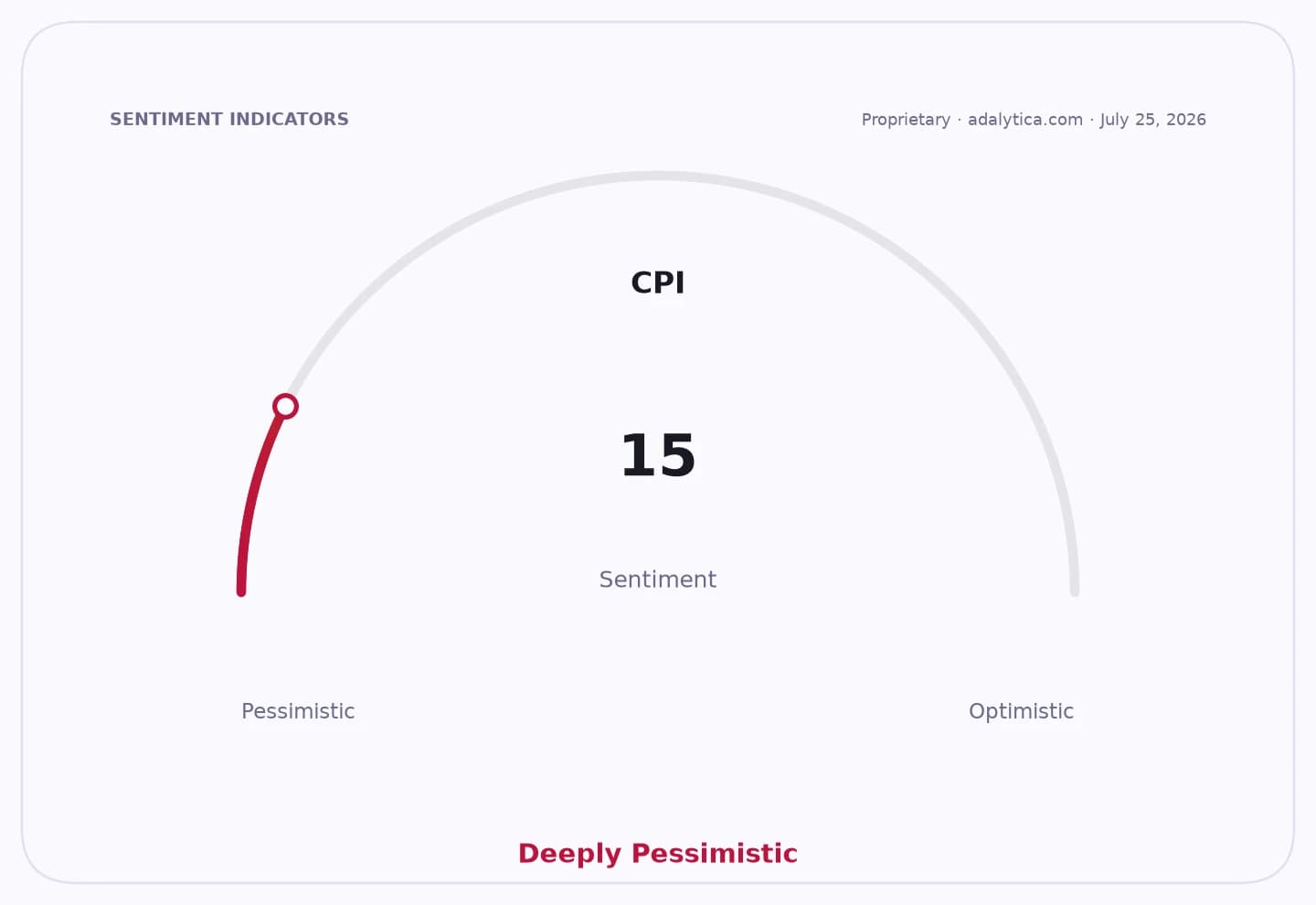
The broad inflation backdrop is still uncomfortable. Consumer prices are running well above where they were a few years ago, with the latest forecast pointing to another monthly increase in the Consumer Price Index in July. That matters for utilities because their input costs are sticky: when power plants buy fuel, when utilities finance grid upgrades, and when regulators decide whether rate hikes are justified, higher inflation tends to show up in customer bills with a lag.
The bond market is not offering much relief. The 10-year Treasury yield has climbed back to about 4.75%, a level that keeps pressure on capital-intensive utilities, which rely heavily on debt to fund transmission lines, generation assets and storm recovery. Higher rates raise financing costs and can slow the pace at which utilities earn acceptable returns on new investments. That is why even “boring” utilities can become rate-sensitive stocks when yields rise.
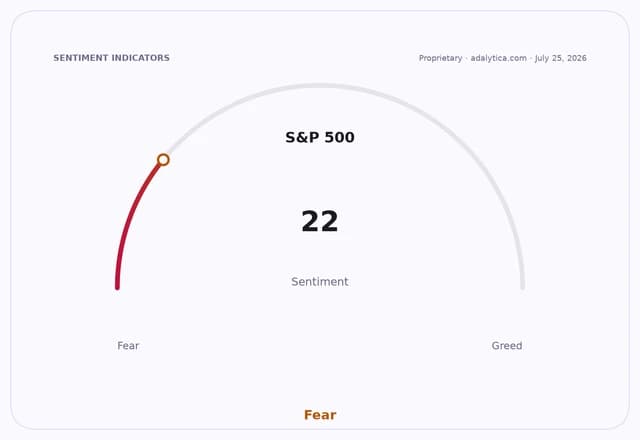
Oil’s rebound adds another layer. West Texas Intermediate has bounced back into the mid-$80s a barrel after a sharp swing lower earlier this month, and while many regulated utilities do not set power prices directly off crude, fuel and purchased-power costs still flow through the system. When energy markets are volatile, regulators often face a tougher balancing act: protect consumers from sudden spikes without starving utilities of the cash they need to keep the grid reliable.
That is the real narrative behind August tariffs. President Donald Trump’s new 25% duty on most Brazilian goods and 50% tariff on Canadian imports is not a utility-policy story on its face, but it reinforces a broader environment of cost inflation and trade friction that can ripple into construction materials, equipment purchases and fuel-linked supply chains. The immediate effect may be indirect, but for utilities and their customers, indirect costs are still costs.
The stock market is already treating the sector as a place to hide rather than a place to sprint. NextEra Energy has recovered to about $89.78, above its 50-day and 200-day moving averages, while technical readings such as RSI suggest the stock is no longer oversold. Duke Energy has climbed to roughly $130.52, and Southern is near $97.25, with both trading above their longer-term moving averages as investors rotate back toward cash-generative names. That resilience is a reminder that utilities can remain attractive even when the macro picture is messy, because earnings visibility and dividends still matter.
NextEra stands out because it has more growth optionality than most peers, thanks to its renewable and transmission footprint. Duke and Southern, meanwhile, are classic income names: slower-growing, but built to deliver steady returns through regulated rate bases and dependable payouts. If tariffs and fuel costs keep nudging inflation higher, those businesses may still get rate relief over time — but consumers should expect a lag, not a quick fix.
For long-term investors, the lesson is not to trade around every tariff headline. It is to recognize which utilities have the balance-sheet strength, regulatory relationships and project pipelines to keep compounding through inflation cycles. The better businesses can usually pass through higher costs over time; the weaker ones get trapped between rising expenses and rate case uncertainty.
| Entity | Gains | Losses |
|---|---|---|
| Utility companies | ▲Rate-case leverage | ▼Customer backlash |
| Households | ▲None | ▼Higher monthly bills |
| NextEra, Duke, Southern | ▲Defensive demand | ▼Higher financing costs |
| U.S. consumers | ▲Grid investment | ▼Tariff-linked inflation |