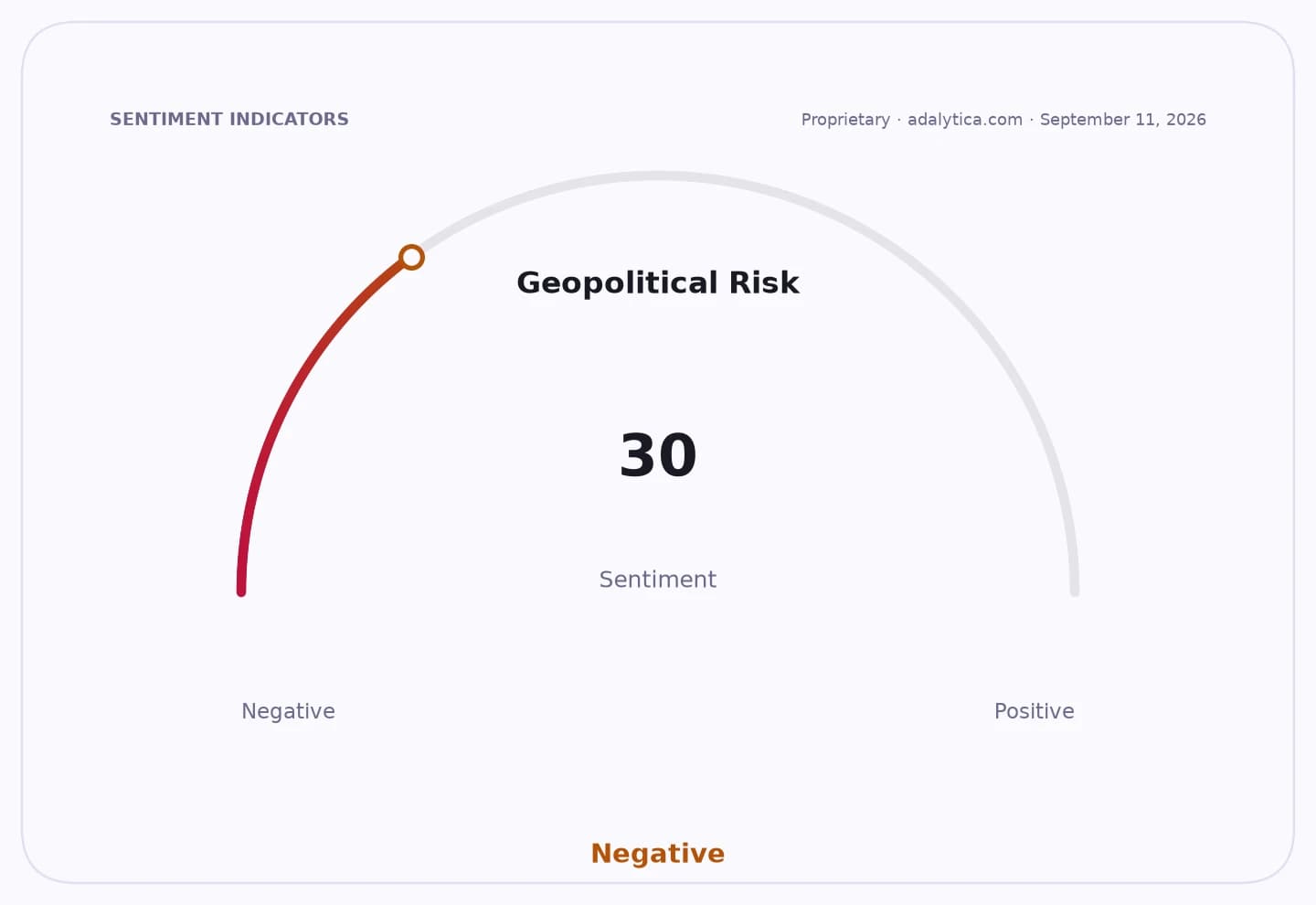
Uzbekistan’s trade with China reached $11.3 billion in the first seven months of 2026, cementing Beijing’s place as Tashkent’s biggest commercial partner and underscoring how Central Asia’s largest economy is being pulled more tightly into China’s supply chains and investment orbit.
Uzbekistan Trade With China Reaches $11.3 Billion
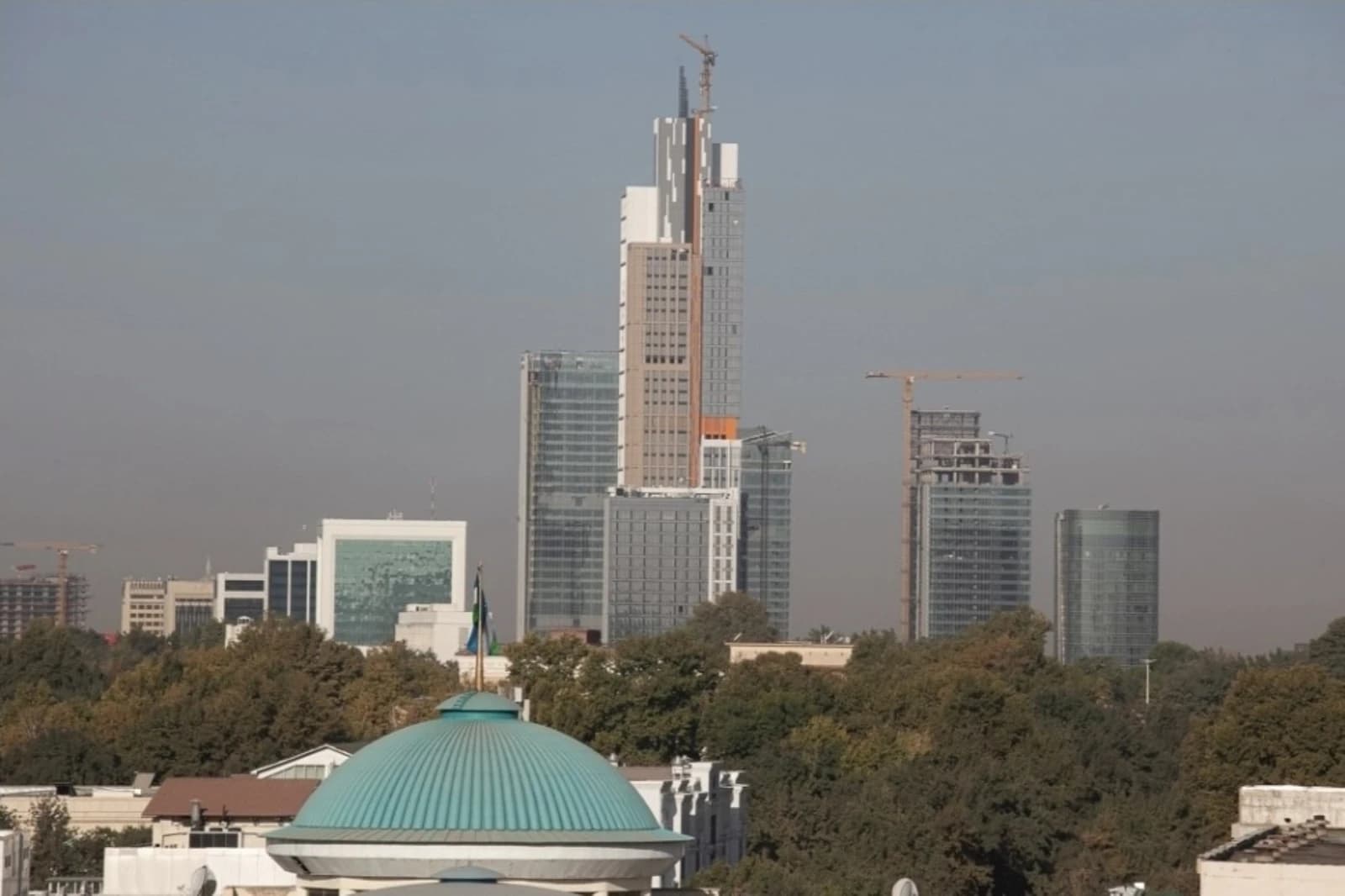
The figure matters because it shows where Uzbekistan’s external demand, imports and industrial linkages are increasingly concentrated. China accounted for the biggest share of Uzbekistan’s trade turnover among more than 200 partners, ahead of Russia at $8.1 billion and Kazakhstan at $3.3 billion. That gap highlights the scale of China’s economic weight in a country that is trying to accelerate growth, expand manufacturing and modernize infrastructure while keeping its trade routes diversified.
For Uzbekistan, deeper commerce with China can support access to machinery, consumer goods and financing for projects tied to transport, energy and industry. It also fits with President Xi Jinping’s signal that Beijing wants to launch a new “golden decade” in bilateral ties, and with Tashkent’s broader push to raise annual trade with China toward $30 billion. The numbers suggest that target is becoming more plausible, though it also implies growing dependence on Chinese imports and demand conditions.
For investors, the story cuts both ways. The bull case is that stronger trade with China points to sustained flows into Uzbek logistics, construction, industrial production and related services, while reinforcing the country’s role as a transit and manufacturing hub in Central Asia. The bear case is concentration risk: a heavier tilt toward China can leave Uzbekistan more exposed to Chinese growth slowdowns, yuan-linked pricing power and geopolitical pressure as major powers compete for influence in the region.
The trade data also fits a wider strategic pattern. Uzbekistan’s top partners now include Russia, Kazakhstan, Turkey, Afghanistan, France, South Korea, the UAE, Turkmenistan and Hong Kong, but none comes close to China’s scale. That breadth shows Tashkent is still trying to balance external relationships, yet the center of gravity in its commerce is clearly shifting east.
The key question for the next year is whether the trade surge translates into higher value-added production inside Uzbekistan, or whether it remains dominated by imports. If Tashkent can convert the relationship into more domestic industry, export capacity and infrastructure buildout, the China-Uzbekistan corridor could become a growth engine. If not, the gains will remain unevenly distributed, with the biggest beneficiaries on the Chinese supply side and in sectors tied to re-exports and transit.
| Entity | Gains | Losses |
|---|---|---|
| Uzbekistan | ▲Trade growth, investment access | ▼Import dependence |
| China | ▲Export demand, regional influence | ▼Greater exposure to local demand swings |
| Uzbek industry | ▲Machinery, infrastructure inputs | ▼Pricing pressure from imports |
| Rival partners | ▲Diversification opportunities | ▼Smaller share of trade |