A portfolio built around Vanguard’s world ETF can end up far more concentrated in the same U.S. megacap names than many retail investors intend, and the overlap matters because it changes the risk profile without changing the headline asset mix.
Vanguard world ETF overlap with Nvidia and Microsoft
The core issue is not that global equity funds are flawed, but that adding single stocks such as Nvidia, Microsoft, Alphabet, Amazon and Meta on top of a broad world ETF can quietly double up exposure to the same market leaders. That can make a diversified-looking portfolio behave more like a leveraged bet on the same few technology and AI winners, while reducing the benefits of owning broader international and smaller-cap stocks.
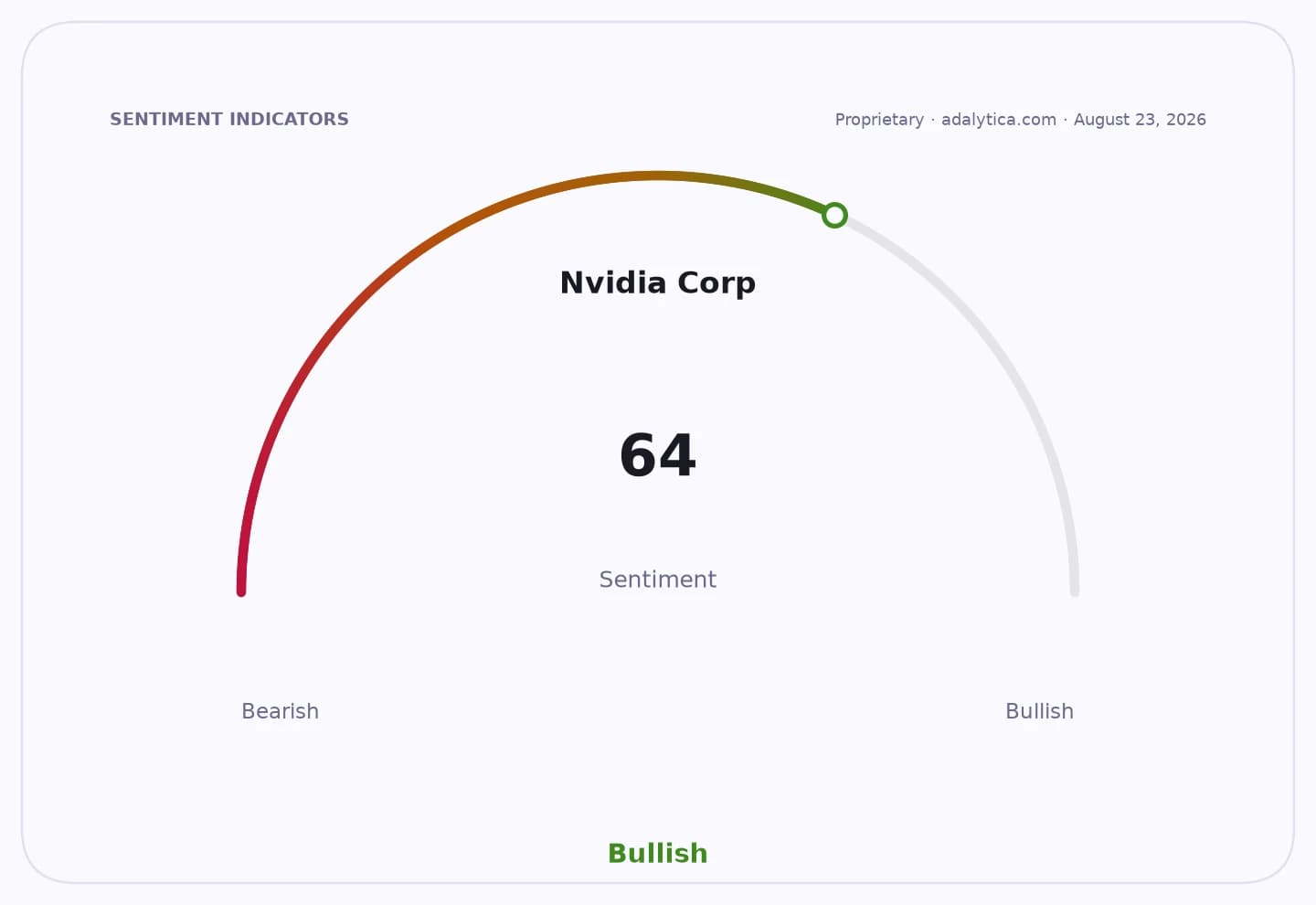
That overlap risk is especially relevant in a market where the largest U.S. names have continued to dominate returns. Nvidia, for example, closed at $228.45 on Sept. 3, above its 50-day moving average of $209.87, with a relative strength index reading of 52.3, suggesting momentum had recovered after a sharp mid-year pullback. Microsoft ended at $510.12, also above its 50-day average of $440.61, while the stock’s 200-day average at $429.39 shows how strongly the shares have rebounded from the June selloff. In other words, the same companies that are already heavily represented in global-cap-weighted ETFs remain central to the market’s performance.
For investors, that creates two competing effects. The bull case is that concentration in a handful of dominant firms has been profitable because those companies still command exceptional earnings power, balance-sheet strength and index weight. The bear case is that a portfolio with 60% in a global world ETF and additional individual positions in the same constituents is less diversified than it appears, leaving it more exposed if the AI trade cools, valuations compress or leadership broadens beyond mega caps.
That is why alternatives such as an 80/10/10 split across a global fund, emerging markets and small caps, or adding a dedicated Europe or small-cap ETF instead of more U.S. megacaps, may be more effective for investors seeking true diversification. Such a shift would increase exposure to segments that are less correlated with the dominant U.S. tech complex and could provide better balance if markets rotate away from the current winners.
The practical takeaway is that the biggest risk in this kind of portfolio is not volatility in any one stock, but hidden duplication across holdings. Investors should check top constituents and regional weights before adding more single-name exposure, because the difference between diversification and duplication can be smaller than it first appears.
| Entity | Gains | Losses |
|---|---|---|
| U.S. megacap tech holders | ▲More upside from momentum | ▼More concentration risk |
| Broad global ETF investors | ▲Simple market exposure | ▼Hidden overlap with stock picks |
| Small-cap and regional ETF allocators | ▲Better diversification | ▼Less exposure to U.S. AI leaders |
| Diversified portfolio builders | ▲Lower correlation risk | ▼May lag if megacaps keep leading |