Venezuela’s biggest policy problem is not how much the state spends, but how little of that spending turns into durable output.
Venezuela fiscal spending study on inflation and growth
Consumer Spending
That is the central conclusion of Oikos Research, which argues that public outlays in Venezuela have generated far more inflation than economic growth, a finding that matters because the country is again debating fiscal expansion and tax reform against a backdrop of volatile prices, a fragile private sector and a still-distorted currency market.
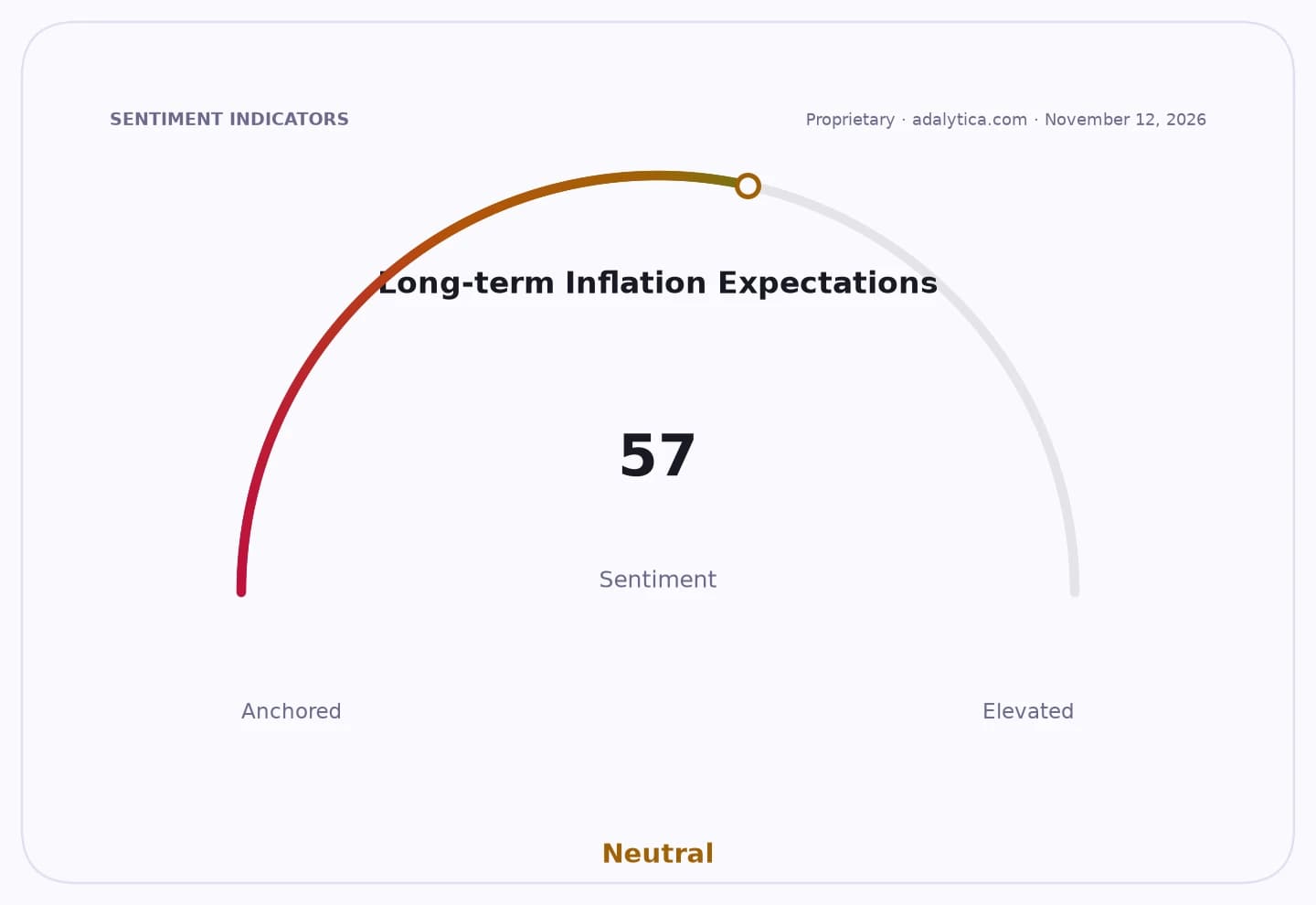
Sentiment Indicators
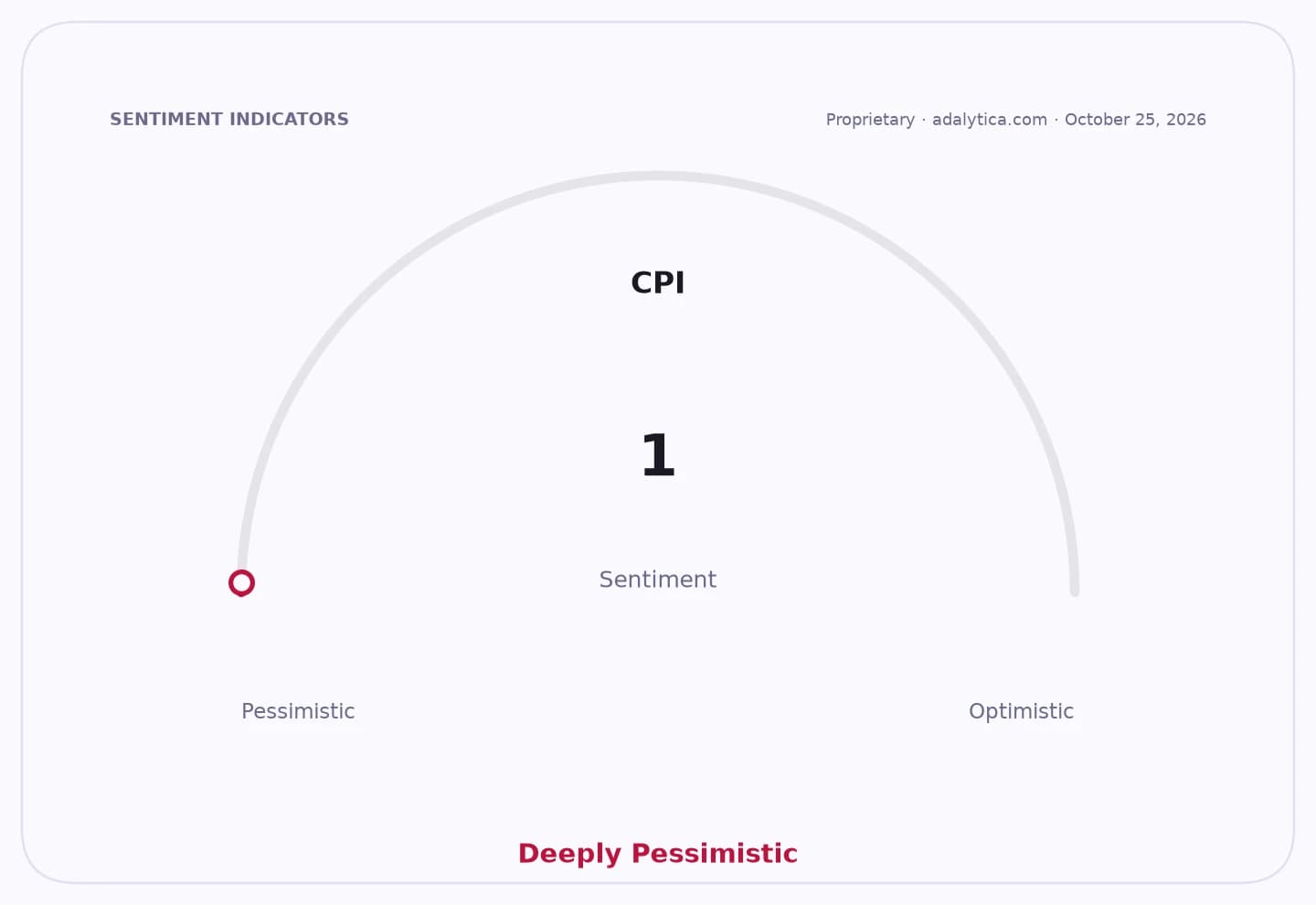
CPI
The research says the fiscal multiplier in Venezuela is exceptionally weak: a real increase in public spending lifts GDP only marginally in the first quarter, with estimated elasticities of 0.03 to 0.075, before fading by the second or third quarter. On an annual basis, each extra dollar spent by the state produces only 19 to 33 cents of cumulative output, and when debt service and quasi-fiscal costs are included the multiplier turns negative over time.
That has direct macroeconomic consequences. Rather than broadening productive capacity, the report says government spending mainly feeds price pressures, with fiscal shocks accounting for about 23% of inflation variance over a 10-year horizon versus just 1% of non-oil GDP variance. In a country where supply is constrained, imports remain high and industrial capacity has been eroded, extra demand tends to leak into higher prices, more dollarization pressure and a weaker currency rather than sustained real activity.

For investors, the message is that headline fiscal stimulus in Venezuela is a poor guide to revenue growth or earnings quality. A spending-led upswing can temporarily boost nominal sales, but it also raises working-capital needs, import costs and FX risk. That makes the apparent lift to commerce fragile, especially for firms without pricing power or access to foreign-currency liquidity.
The report’s more surprising claim is that fiscal consolidation may carry a lower short-term cost than many expect. It estimates that a reform lifting non-oil tax collection by 2% to 3% of GDP would trim output only modestly in the first year, while reducing the need for monetary financing and helping stabilise inflation and the exchange rate later on. For the private sector, that points to a potential medium-term benefit: less distortion in pricing, lower uncertainty and a better backdrop for credit and investment.
The narrative fits Venezuela’s broader recent pattern. A recovery in activity and easing inflation have created the impression of a cyclical upswing, and the economy expanded 7.4% in the third quarter of 2026, according to the news context. But Oikos is warning that such rebounds should not be mistaken for a structural fiscal transmission mechanism. In its reading, Venezuela’s apparent spending booms have historically coincided with oil windfalls and exchange-rate overvaluation, not with a reliable state-led growth engine.
That distinction matters now because policymakers and businesses are entering 2027 planning with the wrong assumption if they expect government outlays to produce meaningful real growth. If the state chooses expansion, the likely near-term effect is more inflation and currency stress. If it chooses consolidation, the early pain may be limited, but the medium-term payoff could be greater price stability and a better operating environment for the private sector.
| Entity | Gains | Losses |
|---|---|---|
| Venezuelan government spending | ▲Short-lived nominal boost | ▼Long-term inflation control |
| Private-sector firms with pricing power | ▲Temporary sales uplift | ▼Margin pressure from higher costs |
| Importers and dollarized businesses | ▲Near-term demand from spending | ▼FX volatility and price distortions |
| Households and savers | ▲Stability under fiscal consolidation | ▼Purchasing power under spending-led inflation |