Venezuela will not adopt the U.S. dollar as its official currency, Vice President Delcy Rodríguez said, arguing that dollarization would not fix the country’s economic problems and instead urging a stronger bolívar backed by fresh foreign exchange inflows.
Venezuela Rejects Official Dollarization, Backs Bolivar
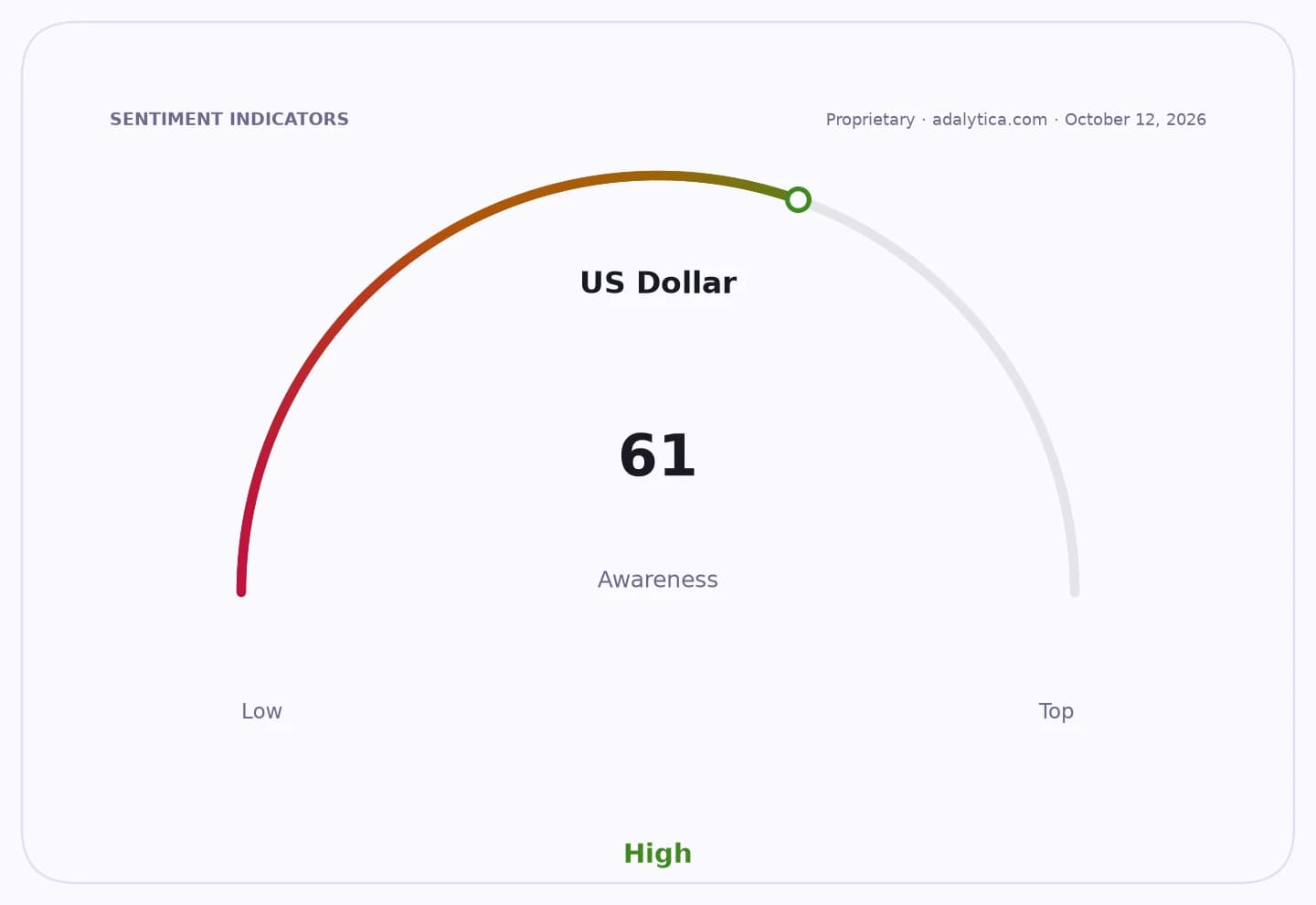
The message matters because it points to Caracas keeping monetary sovereignty rather than formally surrendering it to the greenback, even as years of inflation, currency instability and weak domestic credit have pushed much of the economy to operate in dollars anyway. For businesses, the question is less ideology than liquidity: whether the state can secure enough hard currency to keep trade, imports and production moving.
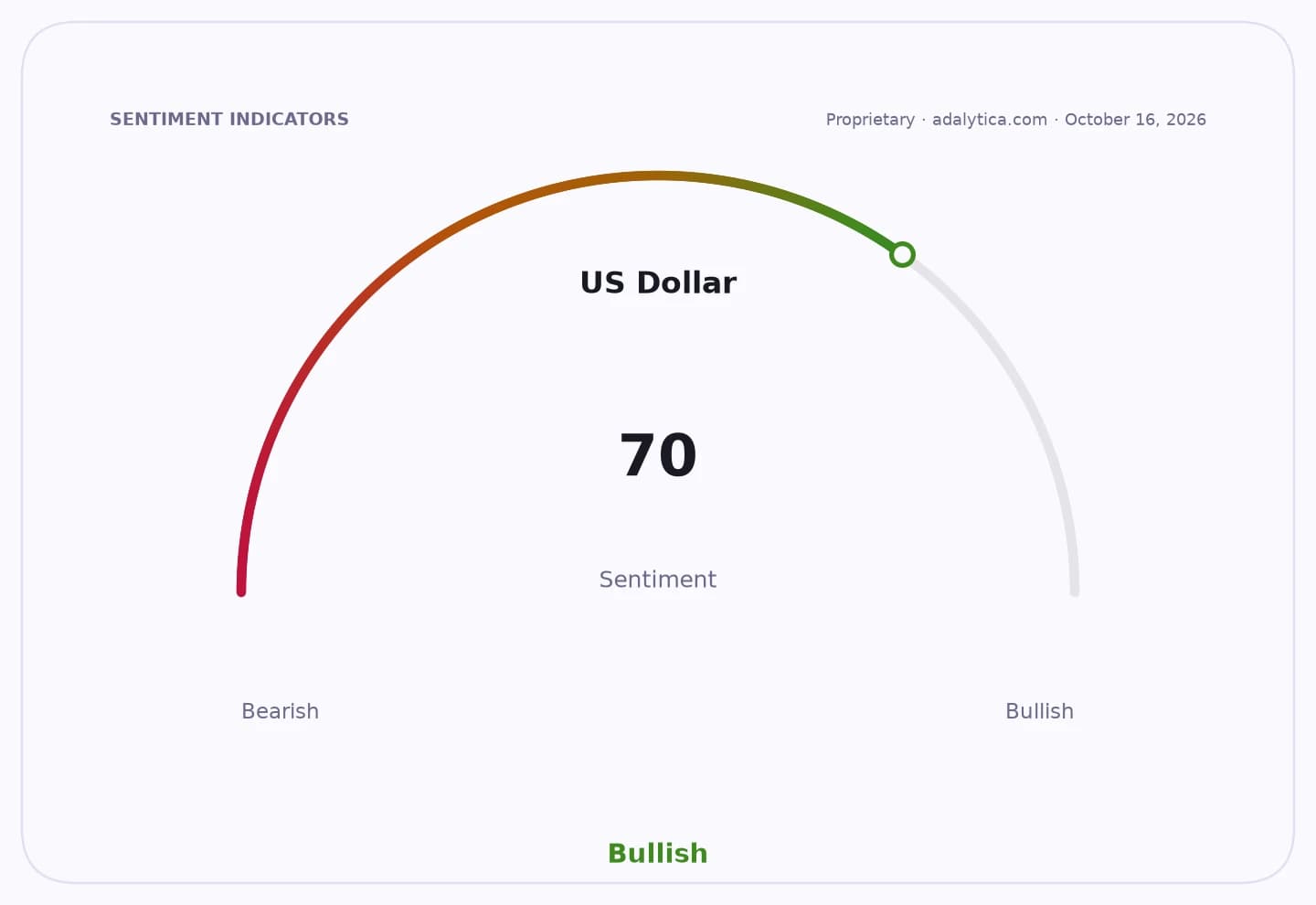
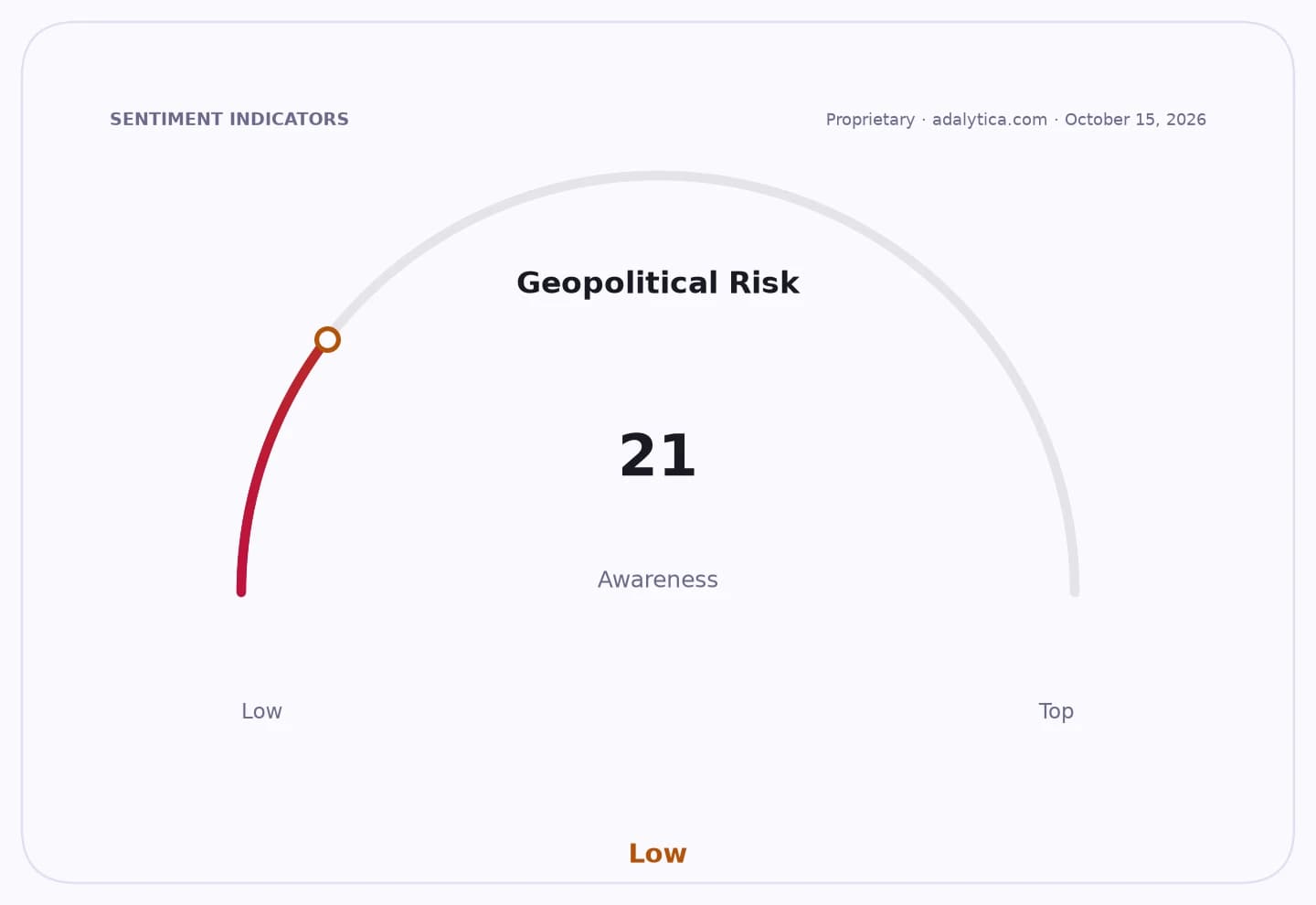
Sentiment IndicatorsⓘProprietary · adalytica.com · October 12, 2026
This is a snapshot — live sentiment, awareness and momentum for 130+ markets update continuously in the dashboard.Open AlphaPulse
Rodríguez made the comments at the annual assembly of Venezuela’s federation of chambers of commerce and industry associations, where she said the government’s priority is to strengthen the national currency so it can support commercial and financial transactions and fund the economy. She also said authorities are negotiating with international banks to secure a steady flow of foreign currency, with the proceeds aimed first at the production sector.
That stance leaves Venezuela straddling two realities. Dollarization has often been used informally as a pressure valve in economies with battered local currencies, but it also reduces policy flexibility and can deepen dependence on external cash flows. Caracas, by contrast, is signaling that it wants the bolívar to remain the anchor even if dollars continue to dominate pricing and day-to-day transactions.
For investors, the key issue is whether those foreign-exchange talks translate into more reliable payments, better import coverage and less stress on local producers. That would matter for companies exposed to Venezuela’s consumer, industrial and logistics chains, while also shaping the risk premium on any renewed trade or financial engagement with the country.
The backdrop is still fragile. Venezuela’s government is trying to project economic recovery and maintain contacts with international counterparties, but the durability of that recovery will depend on cash access, policy consistency and whether the state can ease the currency mismatch that has long constrained growth.
| Entity | Gains | Losses |
|---|---|---|
| Venezuelan government | ▲Policy flexibility | ▼Pressure to reform faster |
| Local producers | ▲Potential FX support | ▼Continued currency uncertainty |
| Dollar holders | ▲Short-term stability in spending power | ▼Formal dollarization hopes |
| Bolivar | ▲Political backing | ▼Credibility if FX inflows disappoint |