Venezuela will begin distributing its April 2026 “war bond” payments in the coming days, a cash transfer program that remains a key income lifeline for millions of state-linked workers, retirees and pensioners in an economy still battling weak wages and persistent currency pressure.
Venezuela April 2026 war bond payments set
The government’s schedule shows active workers and retirees who receive food vouchers will get 150 indexed dollars on April 15, or about 71,000 bolivars at the central bank’s exchange rate. Public-sector retirees without food vouchers are due 133 indexed dollars on April 17, while pensioners under the IVSS and Amor Mayor programs will receive 58 indexed dollars on April 21, roughly 27,000 bolivars.
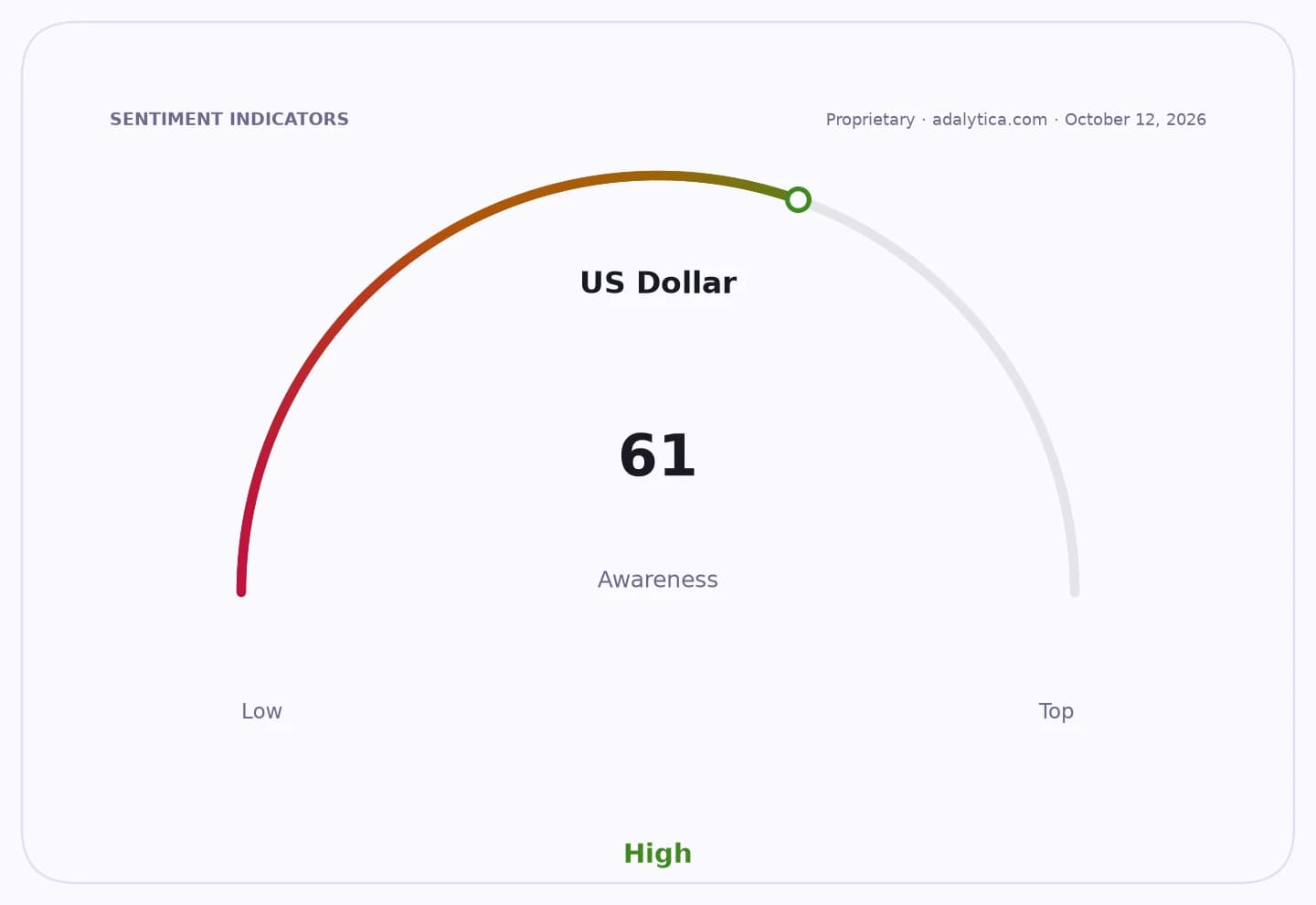
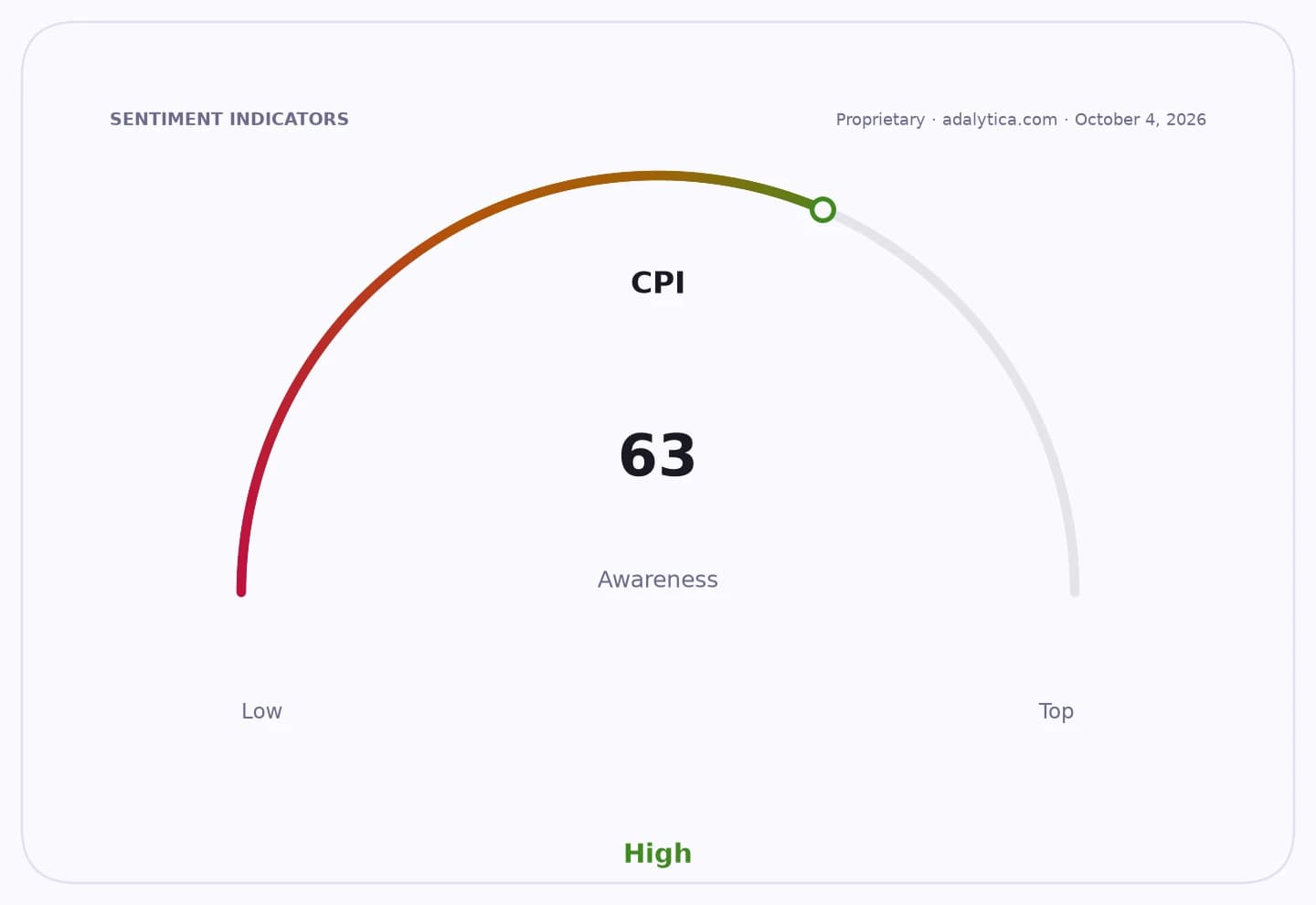
Sentiment IndicatorsⓘProprietary · adalytica.com · October 16, 2026
This is a snapshot — live sentiment, awareness and momentum for 130+ markets update continuously in the dashboard.Open AlphaPulse
The payments matter because they are part of a broader system of targeted state support that has taken on more importance as inflation erodes local purchasing power. By indexing the transfers to the dollar, Caracas is trying to keep the benefit from being wiped out as quickly by the bolivar’s weakness, even though the payout is still delivered through the domestic digital infrastructure of the Patria platform.
For households, the bond is not a bonus but a recurring source of spending power, especially for older Venezuelans and public employees whose formal salaries lag far behind basic living costs. For the government, the schedule is also a reminder of the fiscal strain created by subsidy-style transfers that must be maintained in nominal terms while the state continues to face limited room to maneuver on spending.
Recipients are told to wait for a notification from short code 3532 or through the vePatria app, then accept the benefit manually on persona.patria.org.ve under the “Protección Social” section. The process underscores how much of Venezuela’s social safety net now runs through a centralized digital channel rather than the banking system.
The next focus for investors and policymakers will be whether the government can keep the indexed payments flowing without deepening pressure on public finances or the bolivar, especially as the country leans on wage supplements and transfers to preserve social stability.
| Entity | Gains | Losses |
|---|---|---|
| Active workers and retirees | ▲Dollar-indexed cash support | ▼Bolivar purchasing power erosion |
| Pensioners and IVSS/Amor Mayor recipients | ▲Direct April payment | ▼Fixed incomes |
| Venezuelan government | ▲Short-term social stability | ▼Fiscal flexibility |
| Bolivar holders | ▲None | ▼Higher inflation risk |