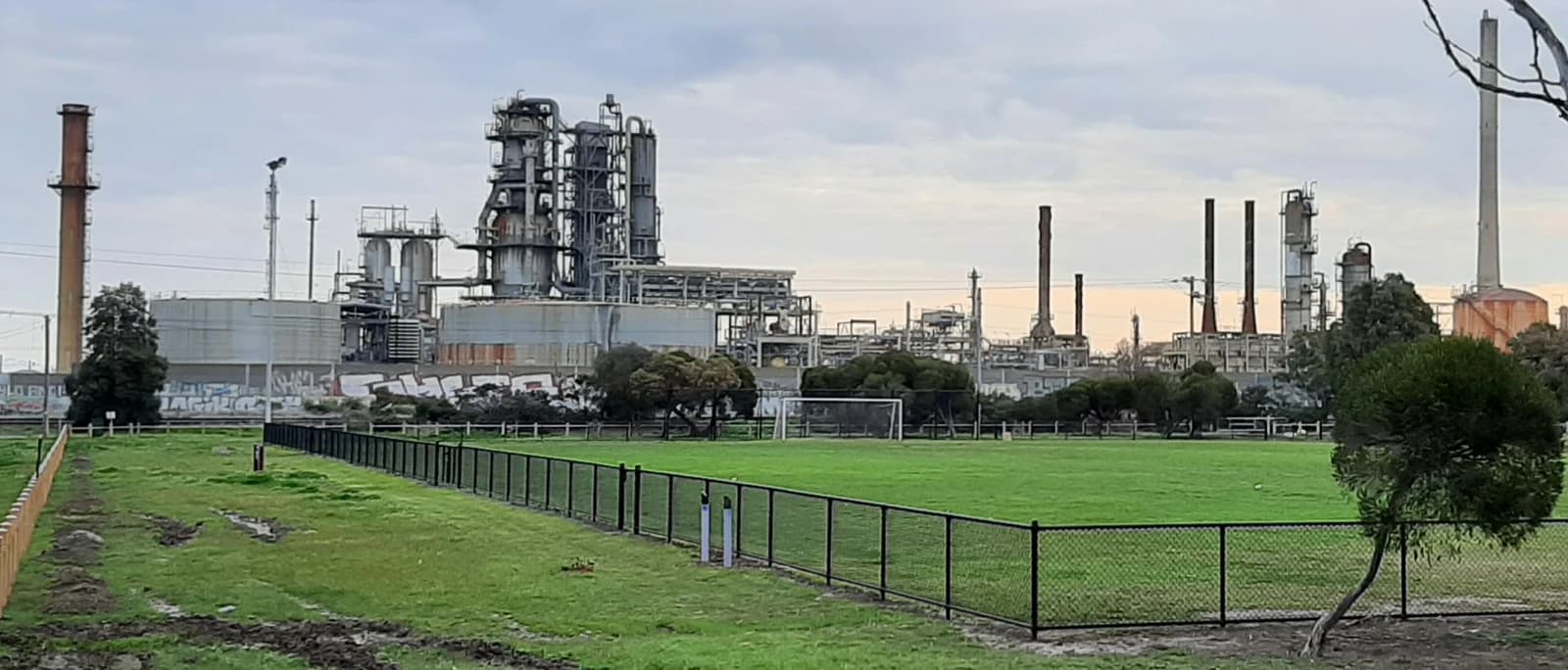
Vietnam’s first production of aluminium ingots marks more than a symbolic industrial milestone: it is an early step toward reducing reliance on imported primary metal in a market where supply security, pricing and trade flows are all under strain.
Vietnam’s aluminium output signals supply-chain shift
For investors and manufacturers, the significance lies in the possibility that Vietnam can begin capturing more value inside the country instead of shipping bauxite-derived output into a global chain dominated by established producers such as China, the Middle East and Australia. Even a modest domestic ingot industry could help local fabricators lower logistics risk and foreign-exchange exposure, while giving Hanoi more leverage as it tries to deepen industrialisation.
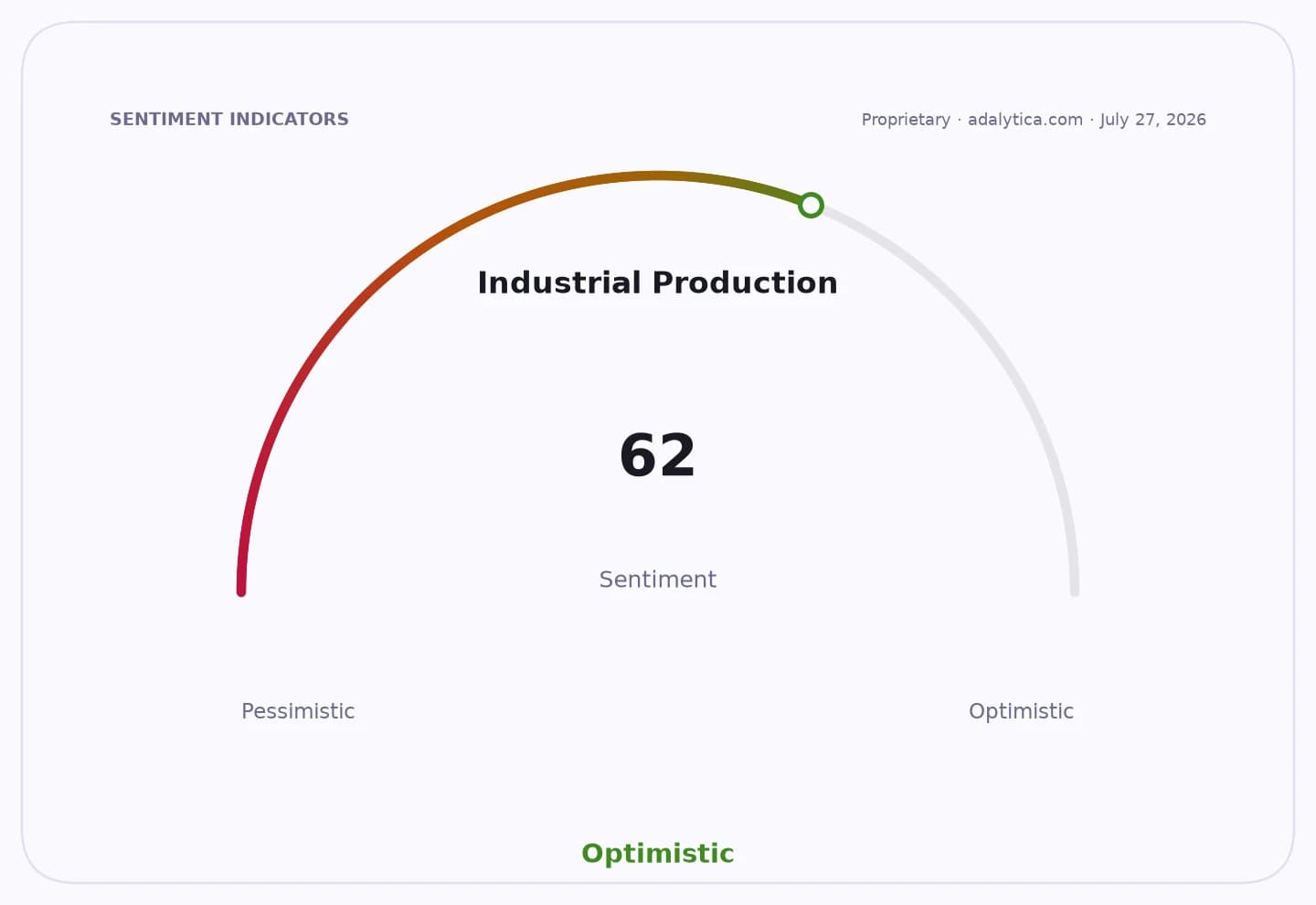
Sentiment IndicatorsⓘProprietary · adalytica.com · July 27, 2026
This is a snapshot — live sentiment, awareness and momentum for 130+ markets update continuously in the dashboard.Open AlphaPulse
The timing matters. Aluminium pricing has remained volatile amid tight raw-material markets, tariff disputes and geopolitical risks that can disrupt shipping routes and energy supplies. The broader industrial backdrop is not especially strong: the latest U.S. industrial production data point to only incremental growth, while global downstream demand remains uneven. In that setting, any new non-Chinese source of supply in Southeast Asia has strategic value, even if volumes are initially small.
The move also fits a wider policy pattern across Asia, where governments are seeking to localise more of the metals value chain to insulate their manufacturing bases from external shocks. Vietnam, already an important export hub for electronics, textiles and industrial goods, has been trying to move up the ladder into heavier industry. Aluminium is a logical test case because it sits at the intersection of energy policy, infrastructure spending and manufacturing competitiveness.
For established producers and traders, the near-term threat is limited. Vietnam’s first ingots do not yet change global balances, and the country still faces the same challenges as other emerging metals producers: power costs, technical reliability, environmental scrutiny and the need for large, sustained capital investment. But the long-term implication is that another regional supply node may be taking shape in a market where supply chains have become more fragmented and more politically sensitive.
The bullish case is that Vietnam gradually builds a domestic aluminium platform that supports its manufacturing base and reduces import bills. The bearish case is that the project remains small, expensive or vulnerable to power and raw-material constraints, leaving the country dependent on imports anyway. For investors, that means the story is less about immediate price impact than about the direction of travel: another sign that industrial policy and supply-chain resilience are reshaping the metals sector.
| Entity | Gains | Losses |
|---|---|---|
| Vietnam manufacturers | ▲Lower import reliance | ▼Exposure to overseas supply shocks |
| Local aluminium producers | ▲New domestic demand | ▼Dependence on imports |
| Global incumbents | ▲Limited near-term impact | ▼Potentially less market share over time |
| Importers/traders | ▲Short-term flow business | ▼Structural demand erosion |