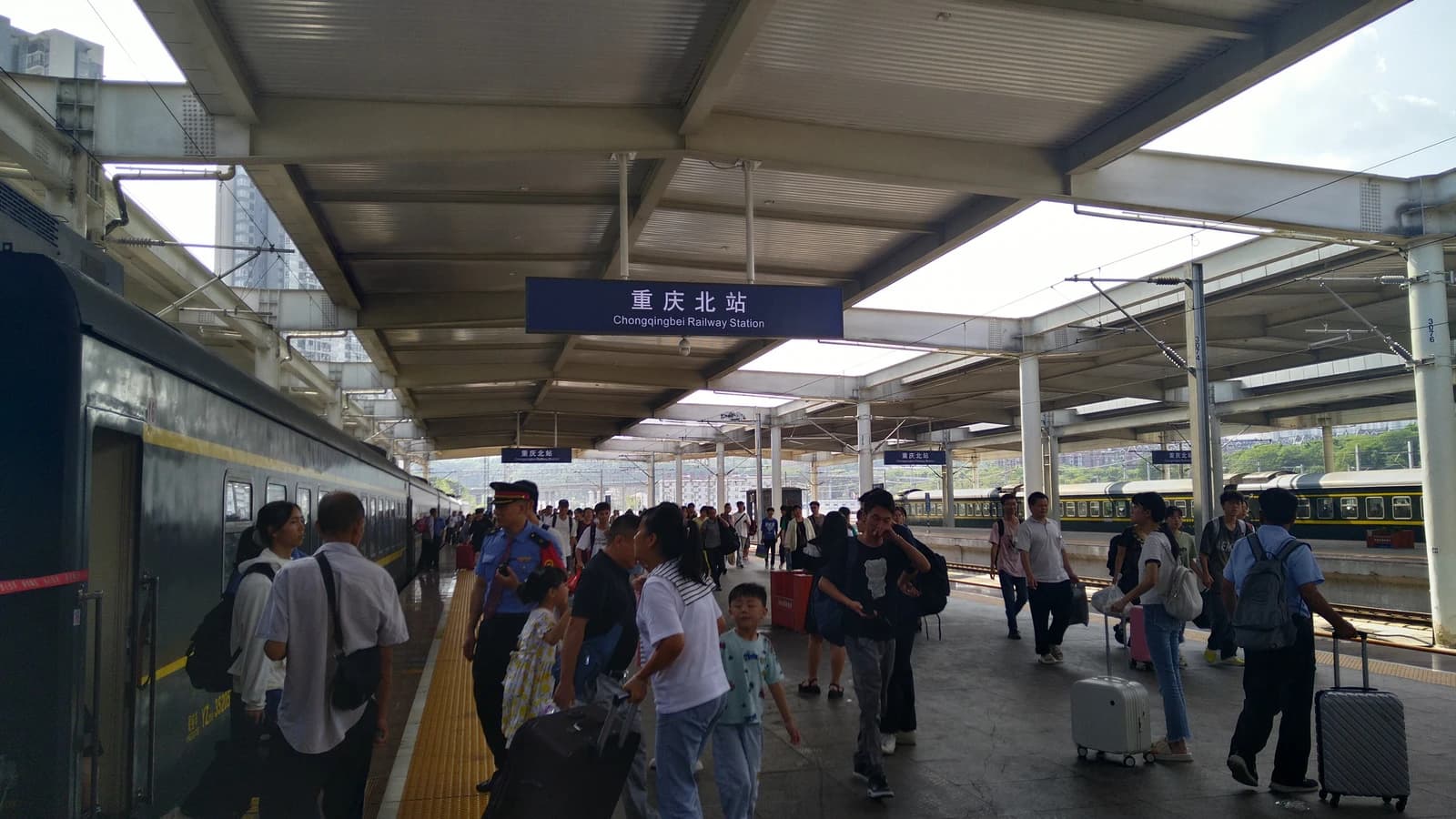
Vietnam has become China’s third-largest source of inbound tourists in the third quarter, a sign that Beijing’s eased entry rules are quickly turning into real economic activity along the border and beyond.
Vietnam Rises to Top China Inbound Tourist Source

That matters because tourism is no longer just about vacationing. It is feeding transport, retail, hotels and tax-refund spending in parts of China that rely on cross-border traffic, while also giving Vietnam’s outbound travelers a cheaper and easier route into one of Asia’s biggest consumer markets. For investors, the story is bigger than a single quarter: visa policy is becoming a tangible lever for China’s service economy at a time when the country is trying to widen domestic demand without relying on the old playbook of heavy industry and property.
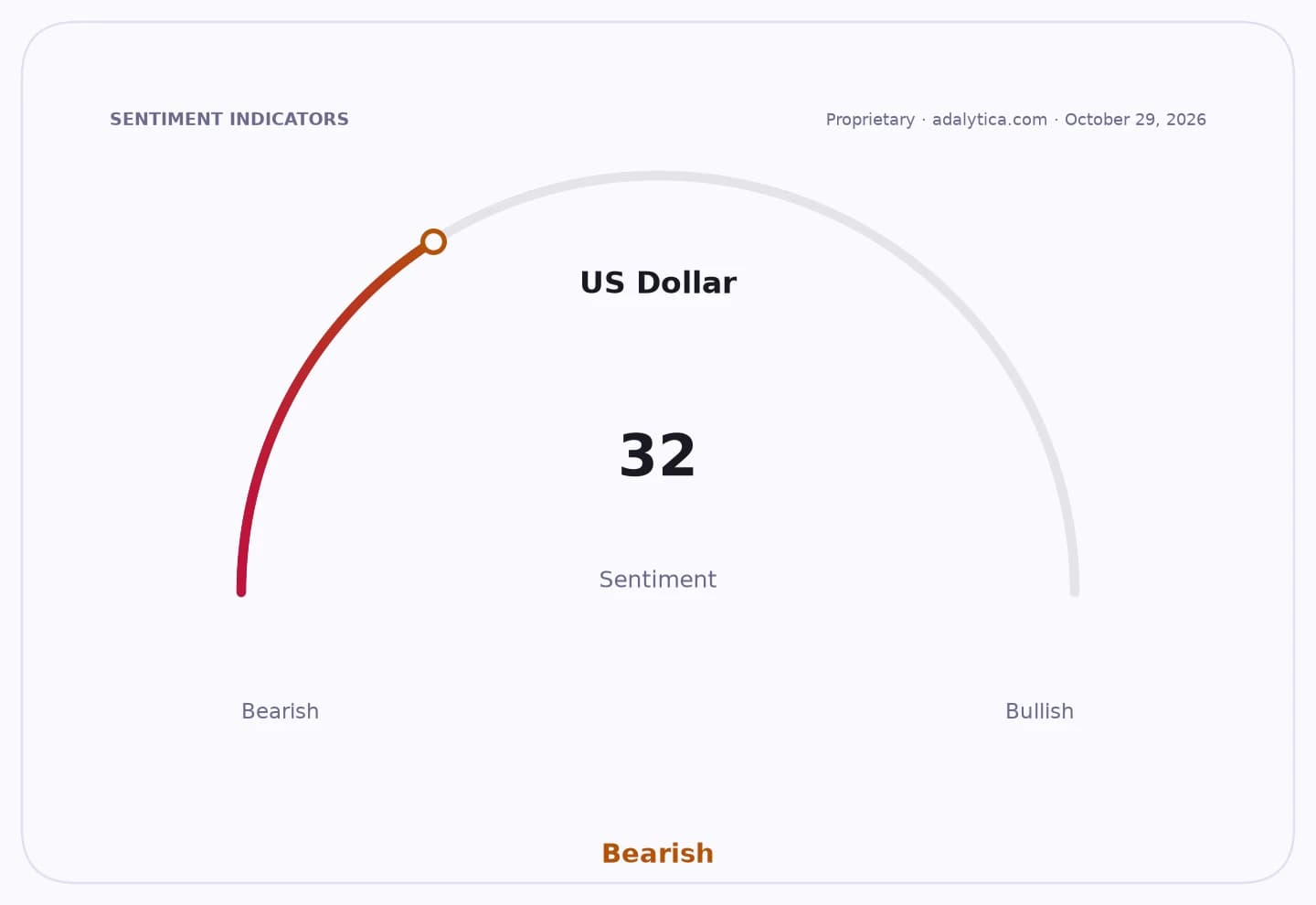
Sentiment Indicators
China’s National Immigration Administration said the 10 biggest source markets in the quarter were led by Russia, South Korea and Vietnam. Those 10 countries accounted for 63.9% of all foreign arrivals. Vietnam had ranked fourth in the first half, which means the jump to third in the third quarter was likely helped by the 240-hour visa-free transit policy that took effect on Aug. 20, as well as the 30-day visa exemption for Hainan introduced the same day.
The numbers suggest the policy is doing what Beijing wanted. Foreign arrivals into China rose 15.6% in the third quarter to 11.6 million, while nearly 9 million entries were visa-free, up 24.1% from a year earlier and equal to 77.5% of all foreign arrivals. Overall cross-border traffic reached 192 million entries and exits, up 7.9%.
For China, the economic payoff is concentrated in places that can capture quick-turnover travel. Guangxi, which borders Vietnam, handled more than 4.1 million Vietnamese entry and exit movements in the first seven months of the year, up 10.1%. Overnight stays by Vietnamese visitors in the region rose 81% in the first half, according to local reporting, showing that the traffic is becoming more profitable, not just more frequent.
That is why retailers, transport operators and local tourism authorities are paying attention. In border cities and transit hubs, Chinese media reported flights from Vietnam were more than 80% full in the first weekend after the policy kicked in. The mix is also broadening: travelers are not only sightseeing, but shopping for electronics, beauty products and other goods that benefit from China’s price advantage and tax-refund system.
That matters for investors because it creates a cleaner story around China’s reopening to inbound tourism: lower friction can convert into higher spending without waiting for a broad macro upturn. It also helps explain why tourism-linked businesses, airports, duty-free operators and regional consumer names can outperform when policy support shows up in actual passenger flows.
The long-term investment takeaway is straightforward. A single policy change will not transform China’s growth profile, but it can steadily improve the economics of travel, retail and services in border provinces and tourist hubs. If Beijing keeps widening visa access and cross-border links, Vietnam’s rise as a top source market could be an early signal of a broader tourism rebound worth watching, and potentially worth owning through diversified China consumer and travel exposure.
| Entity | Gains | Losses |
|---|---|---|
| Chinese tourism operators | ▲More foreign arrivals | ▼Less reliance on domestic demand |
| Vietnamese travelers | ▲Easier, cheaper access to China | ▼Visa friction removed |
| Border provinces like Guangxi and Yunnan | ▲Higher hotel, retail and transport spending | ▼Less underused capacity |
| Competing destinations without visa relief | ▲Fewer price-sensitive visitors | ▼Slower inbound recovery |