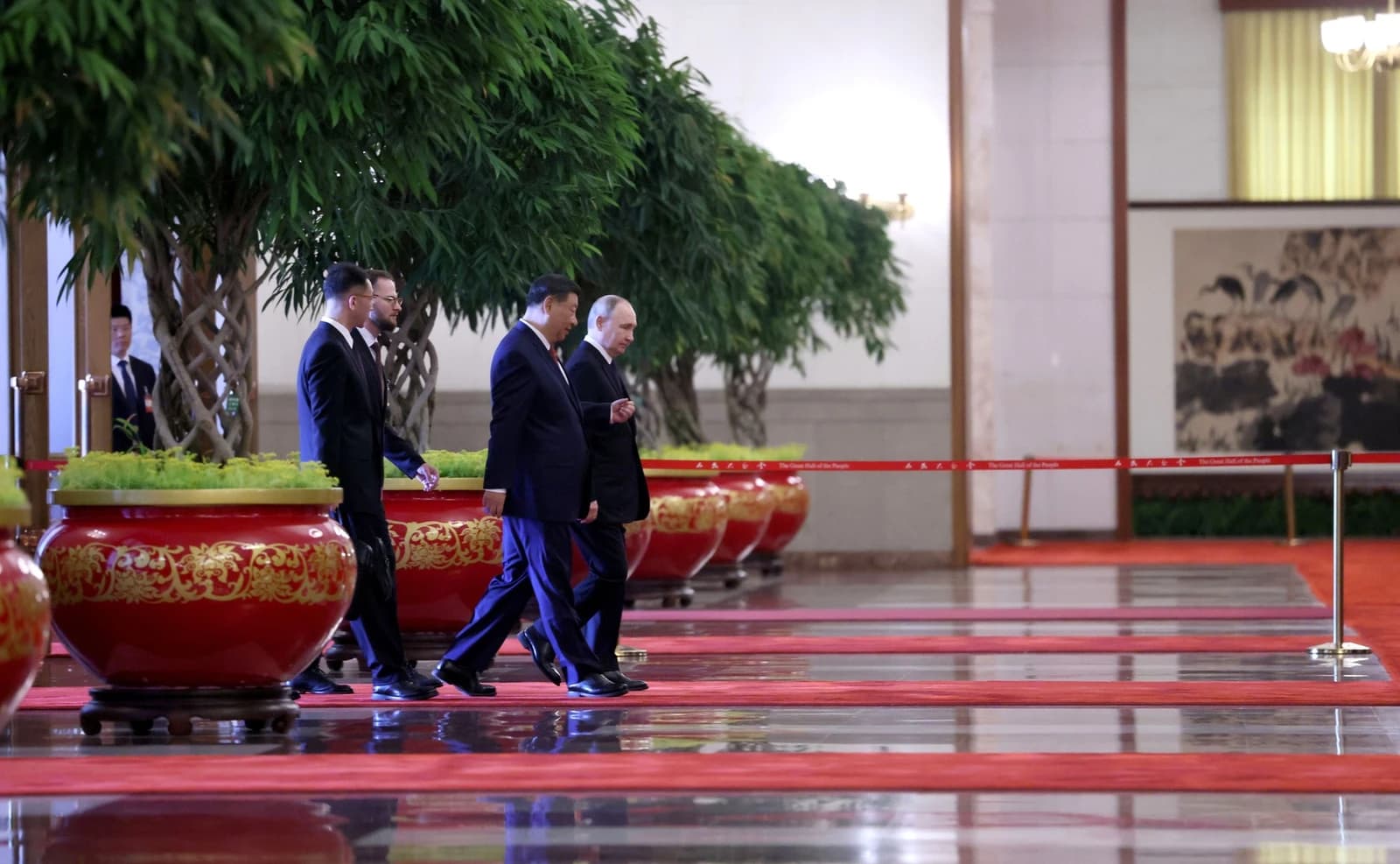
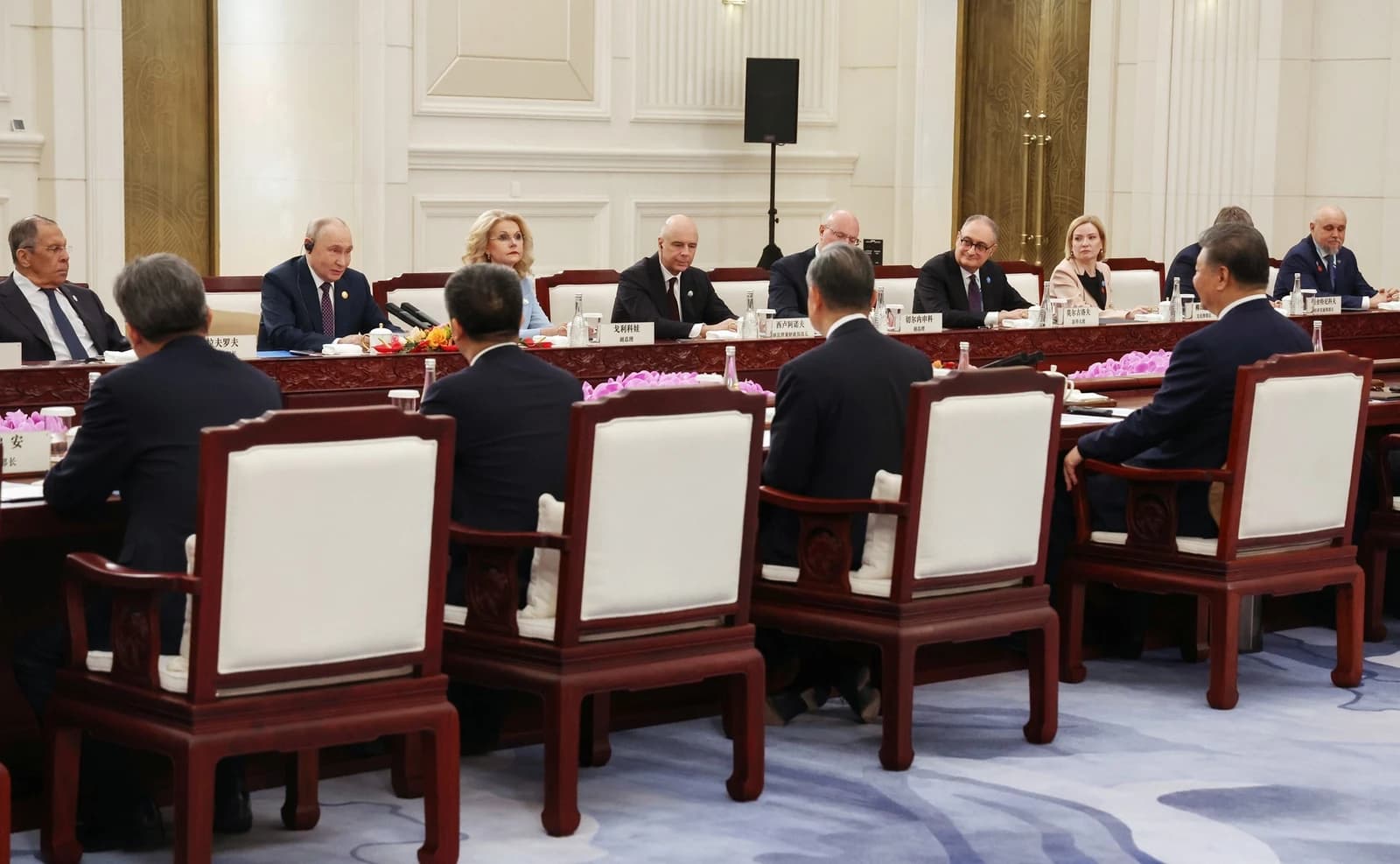
Vietnam’s General Secretary and President To Lam has wrapped up his trip to China after attending the 33rd APEC Summit Week and a series of working meetings that reinforce Hanoi’s push to keep its relationship with Beijing practical, stable and economically useful.
Vietnam-China ties after To Lam's China visit
That matters because Vietnam’s growth story depends heavily on open trade routes, supply chains and foreign capital, and China remains both its biggest neighbor and one of its most important commercial partners. For investors, the signal is not just diplomatic choreography: it is a reminder that Vietnam is trying to balance strategic caution with the need for smoother cross-border commerce, infrastructure links and industrial cooperation.
Sentiment Indicators
Geopolitical Risk
The visit came as both countries have been stressing cooperation in technology, human resources, health and transportation, including railway collaboration and trade corridors. Those are the kinds of projects that can shape long-term productivity, lower logistics costs and make Vietnam even more attractive as a manufacturing base for global companies looking to diversify supply chains across Asia.
The broader backdrop is one of careful economic statecraft. Vietnam has worked to deepen ties with China while preserving room to maneuver with the United States and other major economies. That balancing act matters for investors in export-oriented industries, logistics, ports, industrial parks and consumer sectors that benefit when regional trade flows stay calm and predictable.
Geopolitical Risk
The trip itself does not change the investment case overnight, but it does support a familiar long-term thesis: Vietnam is trying to turn diplomacy into growth. If the pledges around connectivity, research and investment cooperation keep moving from ceremony to execution, that is likely to be constructive for the country’s manufacturing ecosystem and for companies that earn revenue from Vietnam’s rising role in regional supply chains.
For long-term investors, the message is worth watching rather than trading around. Vietnam remains one of Asia’s most compelling growth markets, and smoother relations with China could help keep that engine running.
| Entity | Gains | Losses |
|---|---|---|
| Vietnam exporters | ▲Smoother trade flows | ▼Friction risk eases |
| Chinese suppliers | ▲Access to Vietnam market | ▼Less leverage from disruption |
| Logistics and rail operators | ▲More connectivity projects | ▼Delay risk declines |
| Global manufacturers | ▲Lower supply-chain risk | ▼Near-term uncertainty fades |