Xi Jinping urged China and South Korea to build a “more stable and healthy” relationship, a signal that Beijing wants to lock in a pragmatic economic reset with Seoul just as both sides move closer to finishing a long-delayed trade deal and as regional security tensions remain elevated.
China and South Korea discuss trade reset
The message matters because the relationship has become increasingly important to supply chains, technology investment and broader Northeast Asian stability. Xi met South Korean President Lee Jae-myung in Shenzhen on the sidelines of the Asia-Pacific Economic Cooperation summit, saying the two countries should preserve strategic autonomy and strengthen their political foundation ahead of the 35th anniversary of diplomatic ties next year.
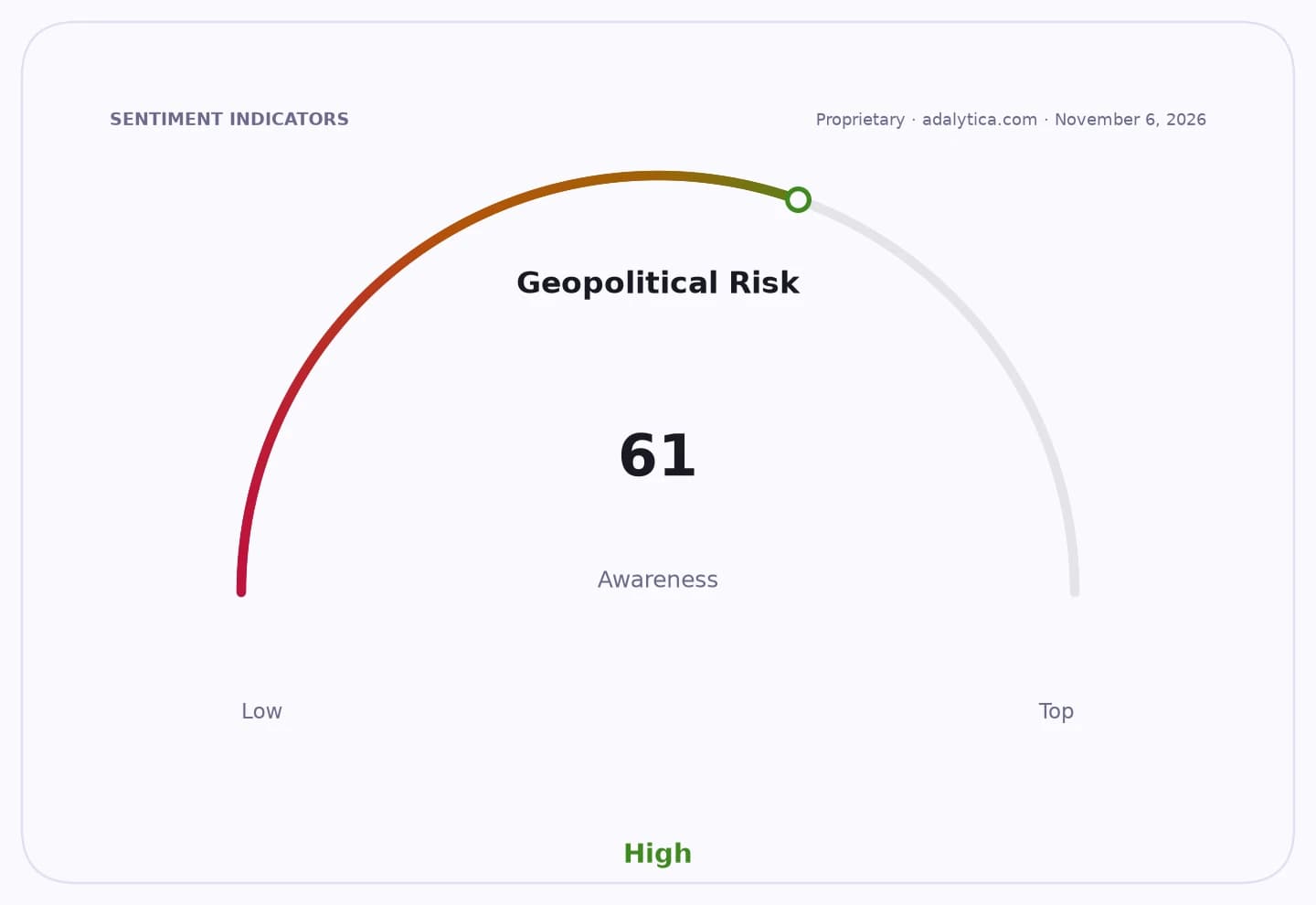
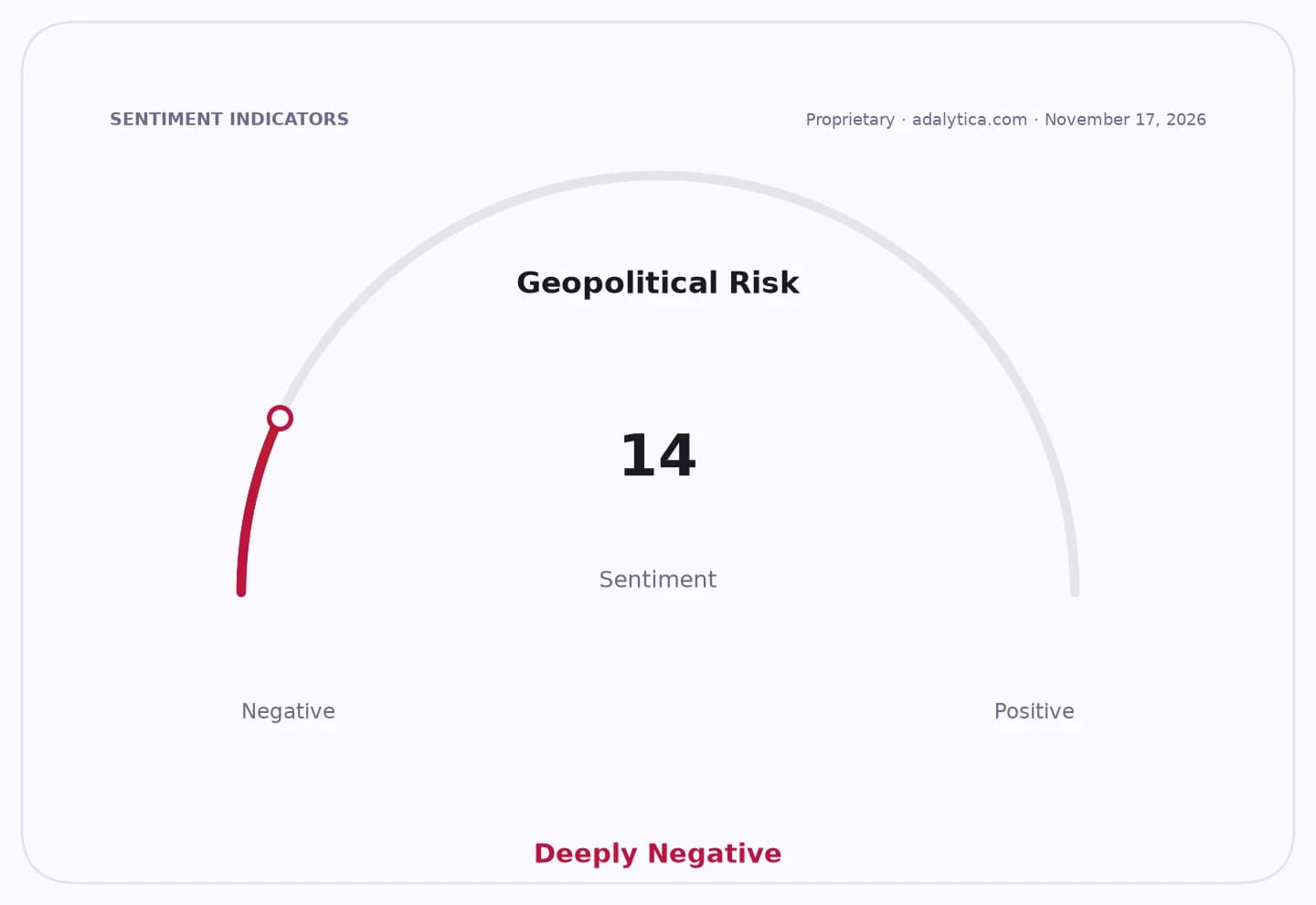
Sentiment Indicators
Behind the diplomatic language is a clearer economic objective: Beijing wants to deepen coordination with one of Asia’s most advanced manufacturing economies at a time when both countries face slowing external demand, shifting chip cycles and higher policy uncertainty from the U.S.-China rivalry. Xi said the two sides should use institutional arrangements more effectively to improve macroeconomic policy coordination and build a collaborative ecosystem for emerging industries such as artificial intelligence.
That is economically significant because China and South Korea are deeply entwined in semiconductors, consumer electronics, chemicals and industrial components. More stable ties could reduce friction for firms navigating export controls, cross-border investment and supply-chain planning. It also creates a more supportive backdrop for Korean companies with exposure to Chinese demand, including makers of memory chips, displays, consumer devices and entertainment content.
The timing also points to a more concrete commercial track. The two countries have completed most of the second phase of talks on a bilateral free trade agreement, according to the report, after years of incremental progress. Seoul has been pushing for better access in services and investment, while Beijing wants to stabilize economic links with a key regional partner even as it manages a broader confrontation with Washington.
For investors, the implications are mixed but meaningful. A more constructive China-South Korea relationship could help sentiment toward Korea-linked exporters and regional cyclicals, particularly if it leads to easier flows in tourism, content distribution and consumer-facing services. It could also support the case for Korean technology names that depend on China for sales, assembly or equipment demand.
But the rally case is not straightforward. South Korea remains a U.S. security ally, and any improvement in ties with Beijing will be constrained by Washington’s technology restrictions and by the persistent risk that geopolitical disputes spill into trade. Investors in Asia supply chains will likely focus less on the rhetoric than on whether the FTA talks produce enforceable market access, investment protections and smoother regulatory treatment for firms on both sides.
The market backdrop suggests caution rather than exuberance. South Korea’s won has been volatile this year and Korea-focused equity exposure has come under pressure during stretches of risk aversion, underscoring how quickly geopolitics can overpower diplomacy. Still, a credible thaw between Beijing and Seoul would be a tailwind for regional stability at a time when investors are closely watching Northeast Asia for signs of de-escalation.
For now, Xi’s remarks point to a deliberate effort to keep one of China’s most important economic relationships insulated from the broader strategic contest. Whether that translates into lasting market value will depend on whether the two governments can convert symbolism at APEC into trade terms, investment access and fewer shocks for corporate supply chains.
| Entity | Gains | Losses |
|---|---|---|
| South Korean exporters | ▲Better China access | ▼Trade frictions easing less slowly |
| Chinese manufacturers | ▲More stable supply links | ▼Less leverage from uncertainty |
| Korean tech and content firms | ▲Potential market opening | ▼Regulatory risks if talks stall |
| U.S.-aligned hardliners | ▲— | ▼Narrower room to contain China-Korea ties |