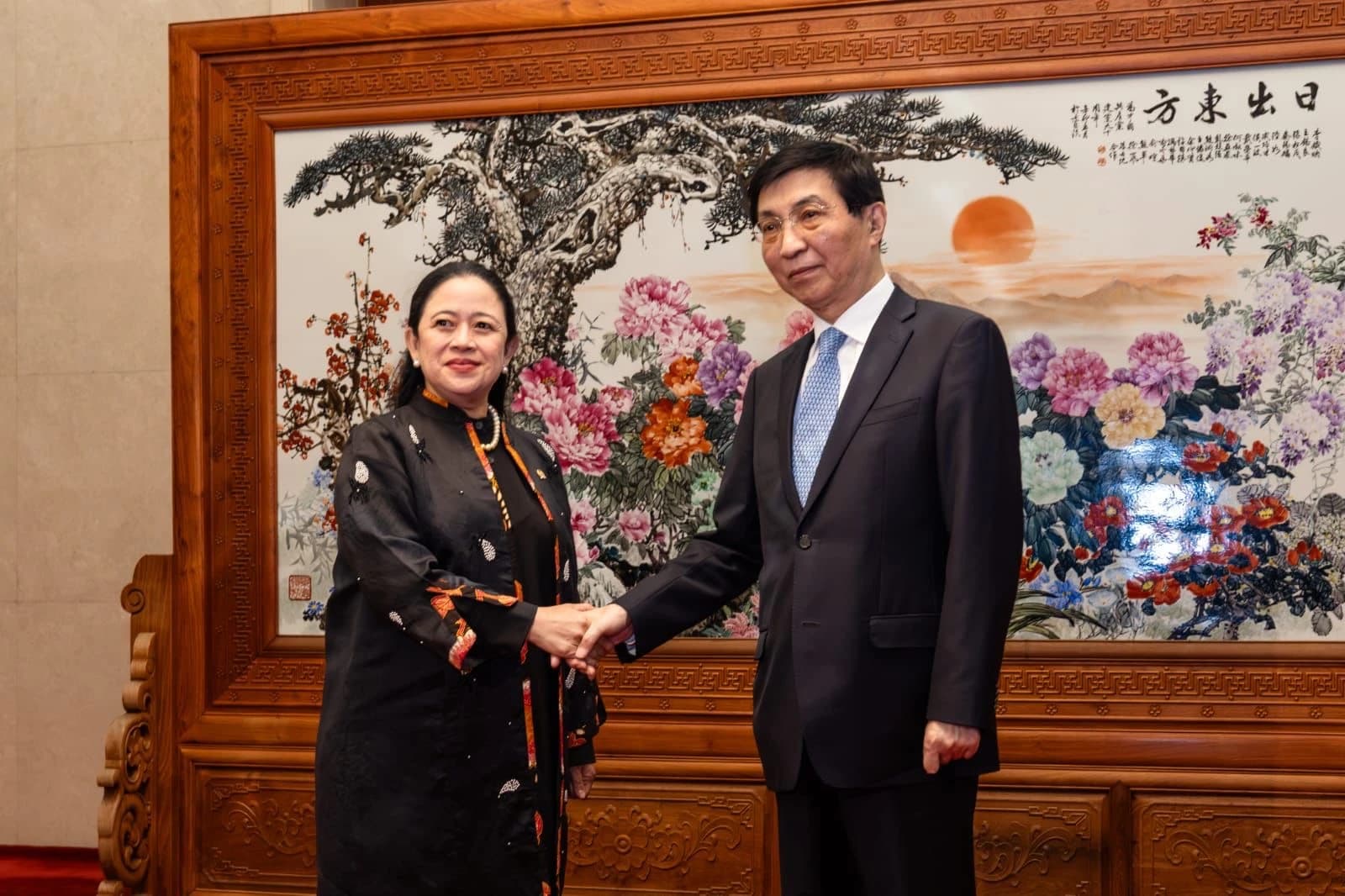
China is using this year’s APEC spotlight to sell a larger story about its economy: that despite weak global sentiment and heightened geopolitical caution, it remains the region’s main industrial, technological and policy center of gravity.
China Uses APEC to Promote Economic Message
The People’s Daily promo, titled “APEC ‘China Year’: Why China?”, is less a routine piece of state media branding than a signal that Beijing wants to frame the APEC summit as proof of its ability to turn innovation into growth at scale. The message is aimed at an Asia-Pacific audience weighing supply-chain resilience, technology competition and capital allocation at a time when confidence in China’s policy direction remains fragile.
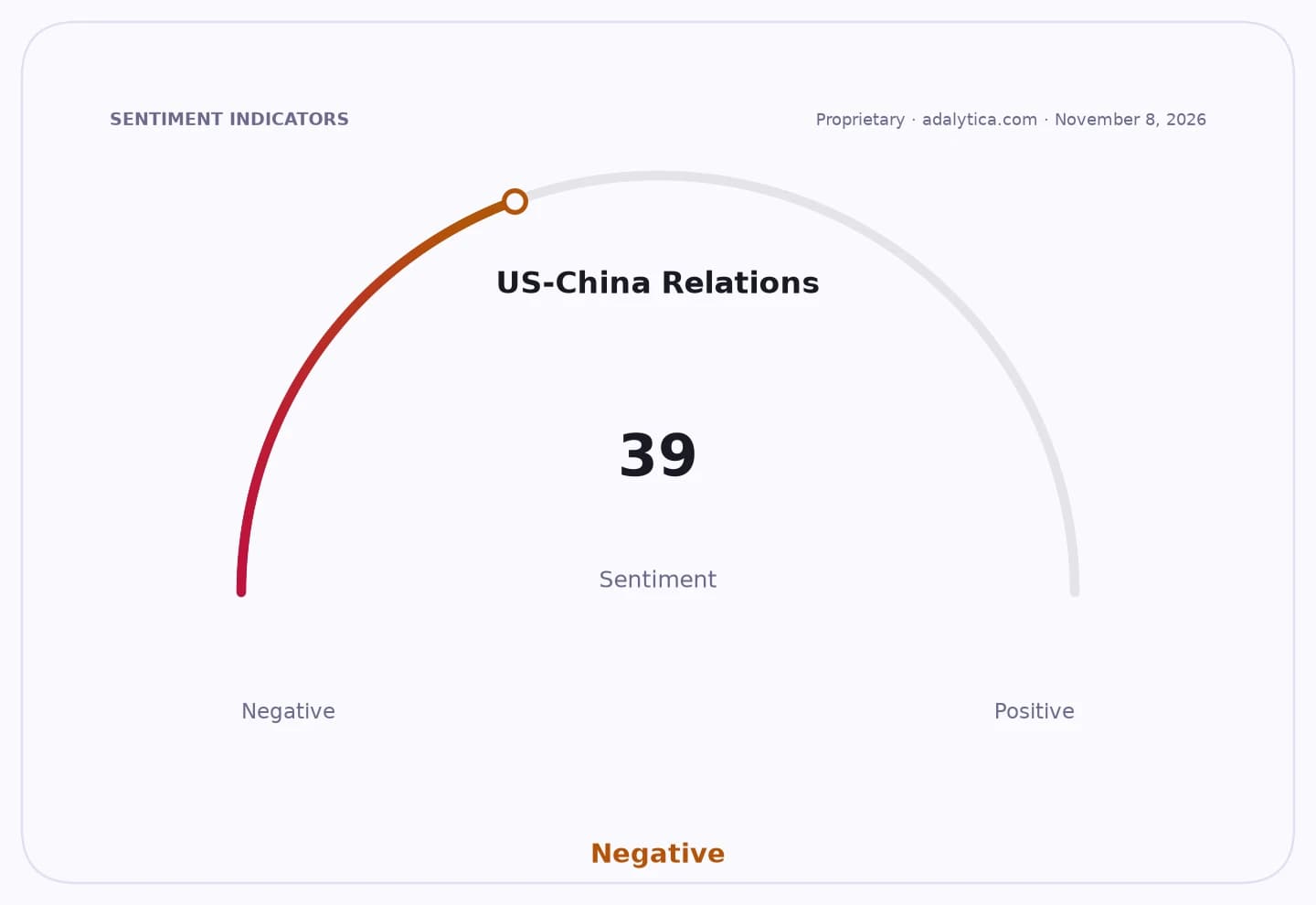
Sentiment Indicators
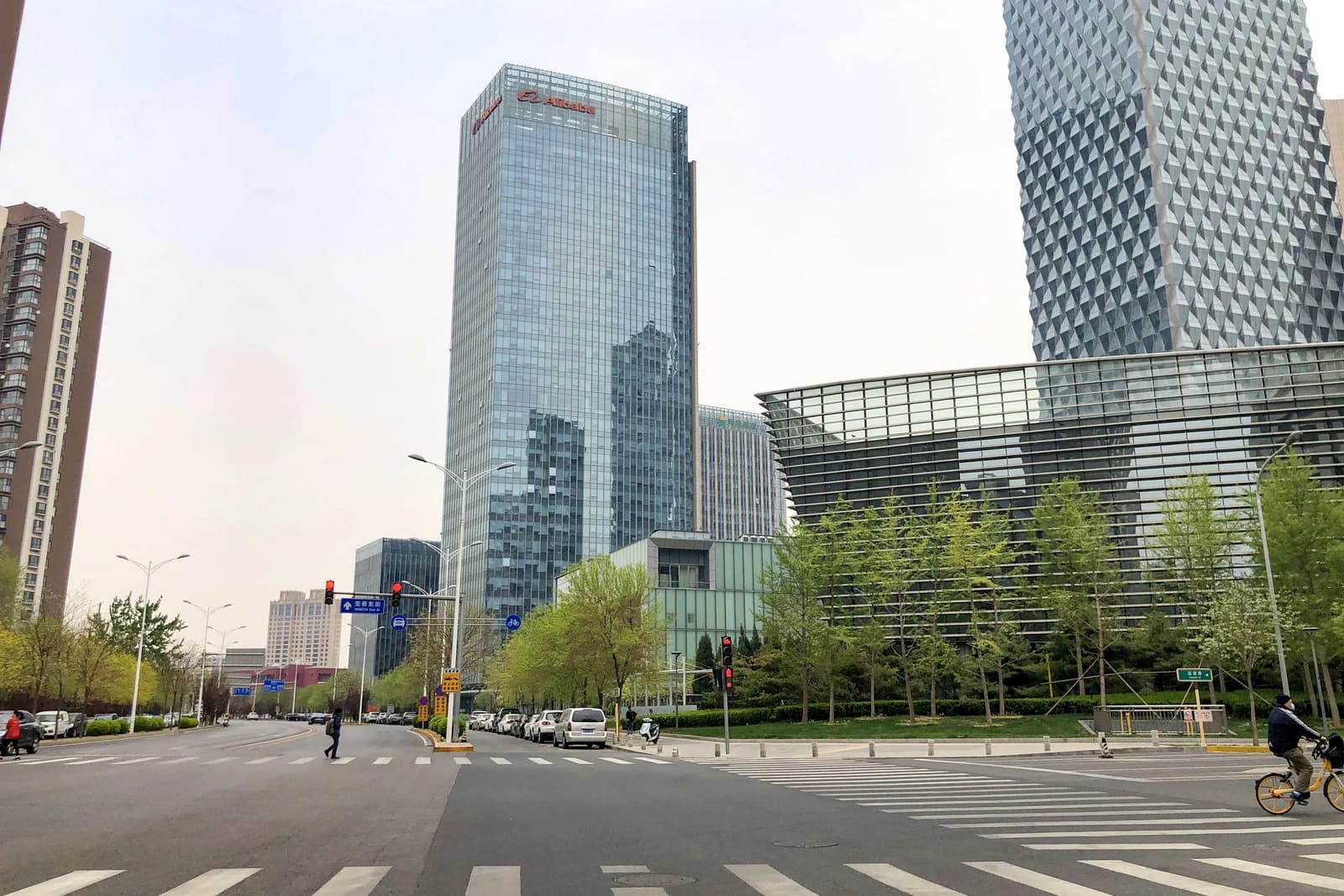
That matters economically because China is still a dominant node in manufacturing, digital infrastructure, biotechnology, artificial intelligence and green technology — the sectors Beijing is leaning on to offset property-sector weakness and softer domestic demand. By presenting China as the place where “ideas turn into real-world solutions at unprecedented speed,” the campaign is trying to reinforce the case that the country is not just a market, but an ecosystem for production, commercialization and export growth.
The timing also matters. Adalytica’s China CCP Policy Direction Sentiment gauge sits at 11, labeled “Extreme Fear,” while its global stability gauge is also at 11, underscoring how cautious investors and policymakers remain around China’s trajectory and the wider geopolitical backdrop. In that setting, APEC is being used as a soft-power platform to counter narratives of decoupling, regulatory uncertainty and slower Chinese growth.
CCP Policy Direction
For investors, the significance lies in how Beijing is positioning policy continuity and industrial policy as investable themes. A more confident APEC message supports the case for sectors tied to advanced manufacturing, semiconductors, electric vehicles, industrial automation and green tech, especially if China continues to steer credit and fiscal support toward strategic industries. But the bear case remains that state-led promotion does not resolve the core concerns weighing on valuations: weak private demand, trade friction, overcapacity and the risk that external partners become more wary of China’s influence.
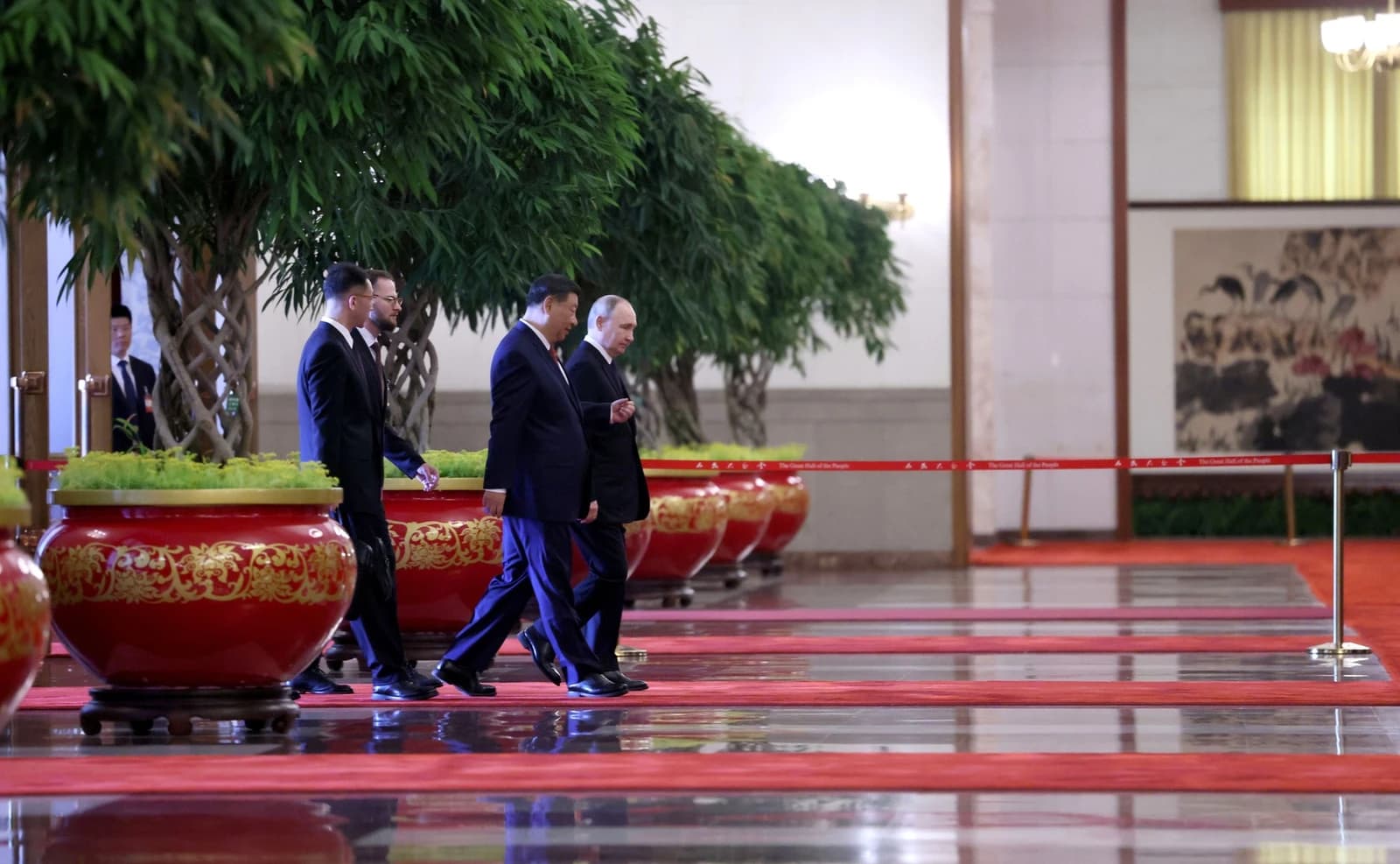
The broader narrative is that China is trying to convert diplomatic hosting into economic messaging. APEC gives Beijing a stage to argue that regional growth still runs through China even as Washington and its allies push for diversification. Whether investors buy that argument will depend less on the promotional campaign than on whether China can deliver steadier domestic demand, clearer policy signals and durable earnings growth in the sectors it is showcasing.
| Entity | Gains | Losses |
|---|---|---|
| China | ▲Soft-power reach | ▼Policy skeptics |
| APEC regional integration | ▲Cooperation narrative | ▼Decoupling advocates |
| Chinese strategic sectors | ▲Visibility and capital interest | ▼Old-economy China bulls |
| Foreign investors | ▲Clarity on Beijing’s priorities | ▼Those expecting policy retreat |